
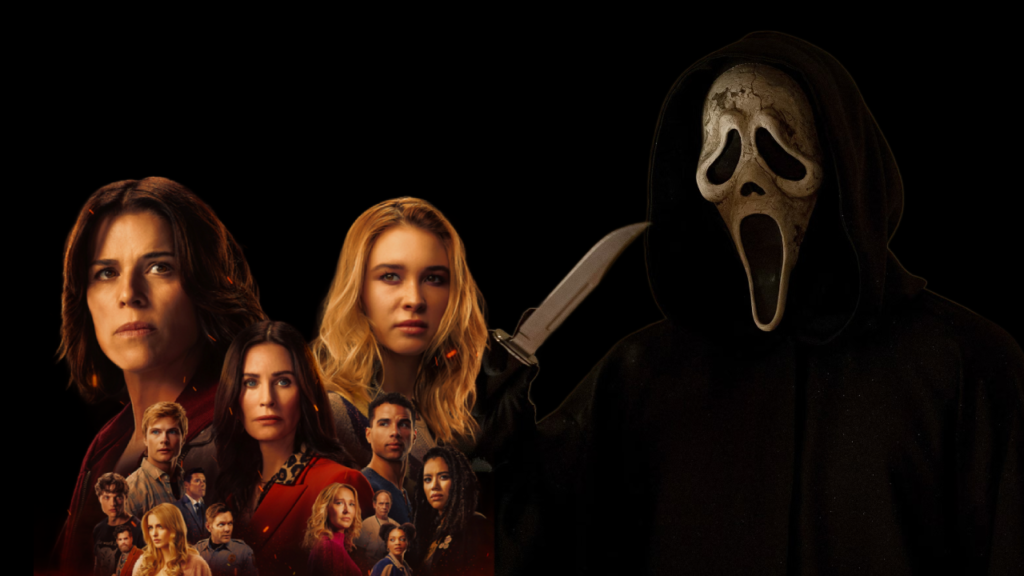
Few horror franchises have remained as culturally influential as Scream movies. Since the release of the original film in 1996, the series has blended slasher thrills with sharp self-awareness, turning the conventions of horror cinema into part of its storytelling. Created by writer Kevin Williamson and directed by the late Wes Craven for the first four films, the franchise helped revive the slasher genre in the late 1990s while introducing the now-iconic Ghostface killer and the resilient “final girl” Sidney Prescott.
Over nearly three decades, the series has expanded across seven theatrical films, evolving from a satirical take on horror tropes into a multi-generational saga that reflects changes in both the genre and the film industry itself. From the groundbreaking original to the recent installments that brought new characters into the spotlight, each entry has contributed something distinct to the legacy of Scream.
With the release of Scream 7, the franchise has reached another milestone, making it a fitting moment to look back and rank all seven films based on their impact, storytelling, and reception. The rankings draw on critical consensus, audience response, and the cultural significance each film has had within the franchise.
7. Scream 3 (2000)
 Released in 2000, Scream 3 marked the conclusion of the original trilogy and took the story from the familiar setting of Woodsboro to Hollywood itself. Directed by Wes Craven and written by Ehren Kruger, the film follows Sidney Prescott as she is drawn back into a series of murders connected to the production of a movie based on the events of the earlier killings. Meanwhile, reporters and filmmakers recreate the violence of Woodsboro as part of the fictional film Stab 3, blurring the lines between fiction and reality.
The film attempted to expand the franchise’s scope by exploring the mythology behind Sidney’s family and revealing more about her mother’s past. It also leaned heavily into the meta-humor that had become a hallmark of the series, parodying Hollywood’s obsession with sequels and franchise filmmaking. While this self-referential approach remained clever in places, many critics felt the tone became more comedic and less suspenseful than its predecessors.
Scream 3 also faced production challenges. The script underwent several revisions, and the film was released during a period when violence in media was receiving heightened scrutiny in the United States. As a result, the movie adopted a lighter tone and relied less on graphic horror elements. Despite these issues, it performed well at the box office and served as a temporary conclusion to Sidney Prescott’s story before the franchise returned more than a decade later.
6. Scream 7 (2026)
The seventh installment arrived amid significant changes behind the scenes and heightened expectations from fans of the long-running series. Directed by franchise creator Kevin Williamson in his first time behind the camera for the series, Scream 7 brings the story back to familiar territory while continuing the saga of Ghostface in a new era.
Neve Campbell returned to the franchise as Sidney Prescott after sitting out the previous film due to a pay dispute, and her comeback became one of the movie’s central talking points before release. Courteney Cox also reprised her role as reporter Gale Weathers, while newer characters introduced in the recent installments continued to play major roles in the evolving narrative.
Early critical reception to the film has been mixed compared to the stronger reviews received by some of the earlier entries. However, the film’s commercial performance demonstrated the franchise’s enduring popularity with audiences. Scream 7 opened strongly at the domestic box office, setting a franchise record for opening weekend and showing that Ghostface still has the power to draw moviegoers to theaters nearly thirty years after the series began.
Although opinions about the film remain divided, Scream 7 represents another chapter in the franchise’s ability to reinvent itself while maintaining its core themes of survival, identity, and the rules of horror storytelling.
5. Scream 4 (2011)
 After more than a decade away from the big screen, Scream 4 arrived in 2011 as a revival of the franchise. Wes Craven returned to direct, and Kevin Williamson once again wrote the screenplay, reuniting the creative team responsible for the original trilogy. The film brought Sidney Prescott back to Woodsboro, where she had returned to promote a book about her experiences, only to find herself once again targeted by a new Ghostface killer.
The movie cleverly addressed the rise of internet culture and social media, examining how fame and online attention had reshaped the motivations behind violence. Younger characters, played by actors including Emma Roberts and Hayden Panettiere, were introduced alongside returning cast members like Neve Campbell, Courteney Cox, and David Arquette.
Scream 4 functioned both as a continuation of the original story and as a commentary on the wave of horror remakes dominating the late 2000s. The film’s twist ending, which explored the idea of notoriety in the digital age, became one of the most memorable elements of the installment. While its box office performance was modest compared with the earlier films, the movie was praised for capturing the spirit of the original series while updating its themes for a new generation.
4. Scream (2022)
 The fifth film in the franchise, released simply as Scream, marked the beginning of a new chapter for the series. Directed by Matt Bettinelli-Olpin and Tyler Gillett of the filmmaking collective Radio Silence, the movie served as both a sequel and a soft reboot, introducing a younger group of characters while continuing the stories of legacy figures such as Sidney Prescott and Gale Weathers.
The film explored the concept of the “requel,” a term used to describe modern franchise entries that combine elements of reboots and sequels. This theme allowed the movie to comment on Hollywood’s reliance on nostalgia while simultaneously honoring the legacy of the original films.
Scream (2022) also brought significant emotional weight to the series with the return of longtime characters and the passing of the torch to a new generation of survivors. Critics generally responded positively to the film, praising its balance of humor, suspense, and affectionate tribute to the franchise’s history. Its success at the box office confirmed that the series could thrive even after the passing of Wes Craven in 2015.
3. Scream VI (2023)
 Released just one year after its predecessor, Scream VI moved the story out of Woodsboro for the first time in the franchise’s history. The film relocated the action to New York City, giving the series a fresh visual setting and a sense of scale not previously seen in earlier entries.
The story follows the surviving characters from the previous film as they attempt to start new lives in the city, only to discover that Ghostface has followed them. By shifting the setting to a dense urban environment, the filmmakers were able to experiment with new kinds of suspenseful set pieces, including scenes on crowded subway trains and in apartment buildings.
Scream VI was widely praised for expanding the franchise while still maintaining its signature self-aware tone. The film delivered strong box office results and demonstrated that the series could continue evolving without relying solely on nostalgia. Its success also helped cement the newer characters as central figures in the franchise’s ongoing story.
2. Scream 2 (1997)
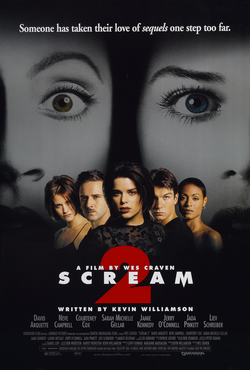 Arriving just one year after the original, Scream 2 proved that the franchise could sustain its momentum beyond a single film. Directed once again by Wes Craven and written by Kevin Williamson, the sequel follows Sidney Prescott as she attends college and attempts to rebuild her life after the traumatic events of the first movie.
However, when a new series of murders begins on campus, it becomes clear that the Ghostface legacy is far from over. The film cleverly examines the idea of horror sequels themselves, discussing the expectations and clichés associated with follow-up installments.
Critics praised Scream 2 for maintaining the wit and suspense of the original while expanding the scope of the story. The film featured a larger ensemble cast and continued to blend humor with genuine tension. Over time, it has become widely regarded as one of the strongest sequels in horror cinema.
1. Scream (1996)
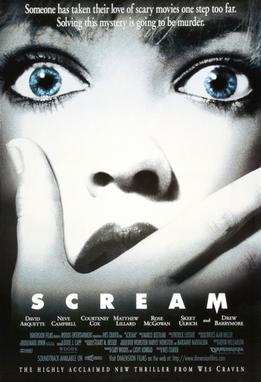 At the top of the ranking is the film that started it all. Released in 1996, Scream revitalized the slasher genre at a time when it had largely faded from mainstream popularity. Directed by Wes Craven and written by Kevin Williamson, the movie follows high school student Sidney Prescott as she becomes the target of a mysterious masked killer known as Ghostface.
What set Scream apart from earlier horror films was its self-aware approach. The characters openly discussed the rules of horror movies even as they found themselves trapped inside one. This clever blend of satire and suspense allowed the film to appeal to both longtime fans of the genre and new audiences.
The movie’s opening sequence, featuring Drew Barrymore in one of the most famous scenes in horror history, immediately established the film’s unpredictable tone. With memorable performances, a sharp script, and a distinctive visual style, Scream became both a critical and commercial success. Its influence can still be seen in modern horror films that blend humor, commentary, and suspense. Nearly three decades later, the original Scream remains the definitive entry in the franchise and one of the most important horror films of the modern era.
From the groundbreaking original in 1996 to the latest installment nearly thirty years later, the Scream franchise has demonstrated an unusual ability to adapt to changing trends in horror while maintaining its core identity. Each film reflects the era in which it was made, whether by commenting on sequel culture, social media fame, or the evolving expectations of audiences.
With Scream 7 continuing the story and the franchise still performing strongly at the box office, Ghostface’s reign in horror cinema appears far from over.