
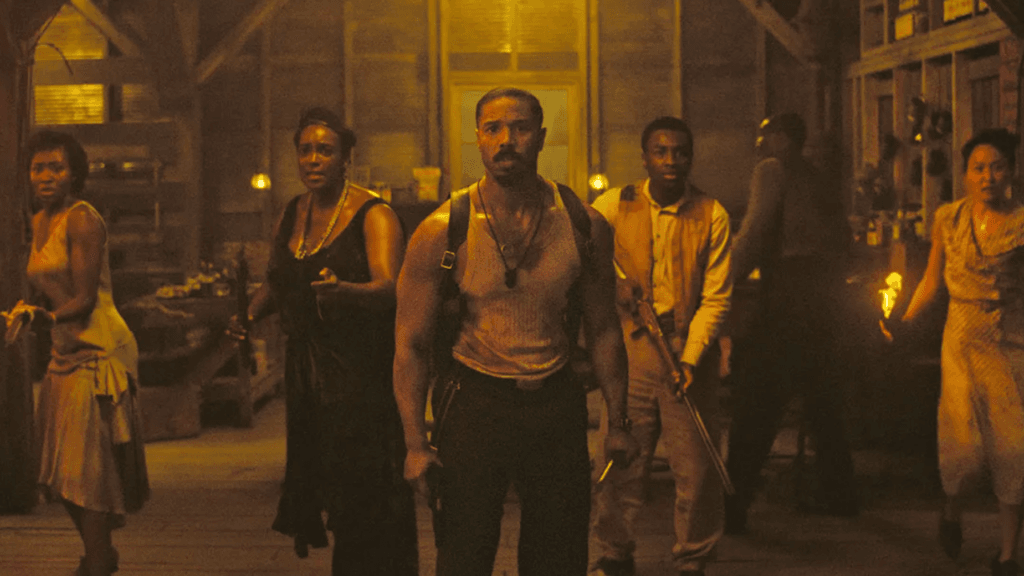
The 31st Critics Choice Awards film nominations have drawn a sharply defined picture of this year’s cinematic power centres, with Ryan Coogler’s Sinners and Paul Thomas Anderson’s One Battle After Another emerging as the dominant forces in one of the most competitive awards seasons in recent memory. Together, the two films represent not just numerical strength, but a broader conversation around auteur-driven cinema meeting scale, ambition, and studio backing.
Coogler’s Sinners stands unmistakably at the forefront, leading all films with an imposing 17 nominations. The film’s presence spans across major categories and technical disciplines, underlining its all-round acclaim among critics. Its Best Picture nomination anchors the campaign, while Coogler’s recognition in the Best Director category reinforces his standing as one of contemporary cinema’s most assured storytellers. Michael B. Jordan’s nomination for Best Actor further cements the film’s emotional and performative impact, with Wunmi Mosaku earning a nod in the Supporting Actress category for a performance that has steadily gained prominence during the awards circuit.
What sets Sinners apart, however, is the breadth of its craft recognition. The film features heavily across cinematography, production design, costume design, editing, visual effects, sound, and hair and makeup—an uncommon sweep that signals deep respect for its filmmaking precision. Rather than relying on a single standout element, Sinners has been acknowledged as a meticulously constructed cinematic experience, one that marries performances with technical ambition and tonal unity.
Running close behind is Paul Thomas Anderson’s One Battle After Another, which secured 14 nominations, reaffirming Anderson’s continued relevance and adaptability within modern awards culture. The film’s recognition includes four acting mentions, a notable achievement that highlights the ensemble-driven nature of the project. Anderson’s work has long existed at the intersection of artistic individuality and mainstream recognition, and these nominations place the film firmly among the season’s elite contenders.
The parallel rise of Sinners and One Battle After Another is particularly telling. Both films emerge from filmmakers with deeply personal cinematic voices, yet they operate on different frequencies—Coogler’s work rooted in muscular storytelling and social resonance, Anderson’s in introspection, character, and rhythm. The Critics Choice nominations suggest that this awards season is less about a singular dominant style and more about the coexistence of varied cinematic languages.
Further strengthening the competitive landscape are Frankenstein and Hamnet, which earned 11 nominations each. Their placement among the top tier reinforces a growing trend: films that combine classical literary roots or prestige adaptations with confident directorial vision can still command broad critical attention. These titles help round out what has become a four-film cluster shaping the narrative of this awards year, each blending studio resources with auteur sensibilities.
What makes this year’s nominations particularly compelling is the balance they strike between scale and intimacy. Large productions have not overwhelmed quieter, performance-led storytelling, nor have technically ambitious films sidelined emotional depth. Instead, the nominations reflect an ecosystem where craft, performance, and directorial intent are valued collectively rather than in isolation.
From an industry perspective, the Critics Choice Awards have once again positioned themselves as a strong bellwether ahead of the Academy Awards. Historically aligned with Oscar trajectories while retaining their own critical voice, the Critics Choice results often amplify momentum for films already gathering steam. Sinners, in particular, now enters the next phase of awards voting with undeniable force, while One Battle After Another benefits from sustained recognition that keeps it firmly in contention across multiple categories.
As the awards season accelerates, these nominations do more than spotlight individual achievements—they signal confidence in cinema that dares to be expansive without losing soul. Whether through Coogler’s commanding vision or Anderson’s meticulous storytelling, the 31st Critics Choice Awards film nominations underscore a year where filmmakers with clear, confident voices are once again at the heart of the conversation.