
The Karlovy Vary International Film Festival has officially unveiled nearly 40 titles for the main program of its landmark 60th edition, set to run from July 3–11, 2026, in the Czech spa town. The lineup was announced by artistic director Karel Och, who described this year’s selection as a reflection of filmmakers attempting to understand “the diversity and complexity of the world” through stories balancing “the artistic and the political, the intimate and the societal.”
The 2026 edition arrives as one of the most internationally expansive lineups in recent festival history, featuring films from Europe, Asia, Latin America, and the Middle East. Organizers also emphasized that the Crystal Globe Competition alone will feature 12 world premieres this year, including new works from previous Karlovy Vary winners and several major international productions. Among the notable titles highlighted by the festival is a new drama starring Danish actress Trine Dyrholm, further strengthening the prestige of the competition lineup for the festival’s landmark 60th edition.
According to the festival, many of this year’s directors are working across borders both culturally and geographically, with productions and filming locations often extending far beyond the filmmakers’ home countries. The selection also continues Karlovy Vary’s long-standing tradition of highlighting underrepresented cinemas, with countries like Myanmar and Colombia represented prominently within the Crystal Globe Competition.
Several competition titles focus heavily on themes of political instability, trauma, migration, repression, and personal identity. Serbian filmmaker Miroslav Terzić’s 3 Weeks After explores adolescent bullying and suicide during a stranded school trip in Bulgaria, while Bulgarian directing duo Kristina Grozeva and Petar Valchanov return with Black Money for White Nights, a tragicomic portrait of moral collapse following Russia’s invasion of Ukraine.
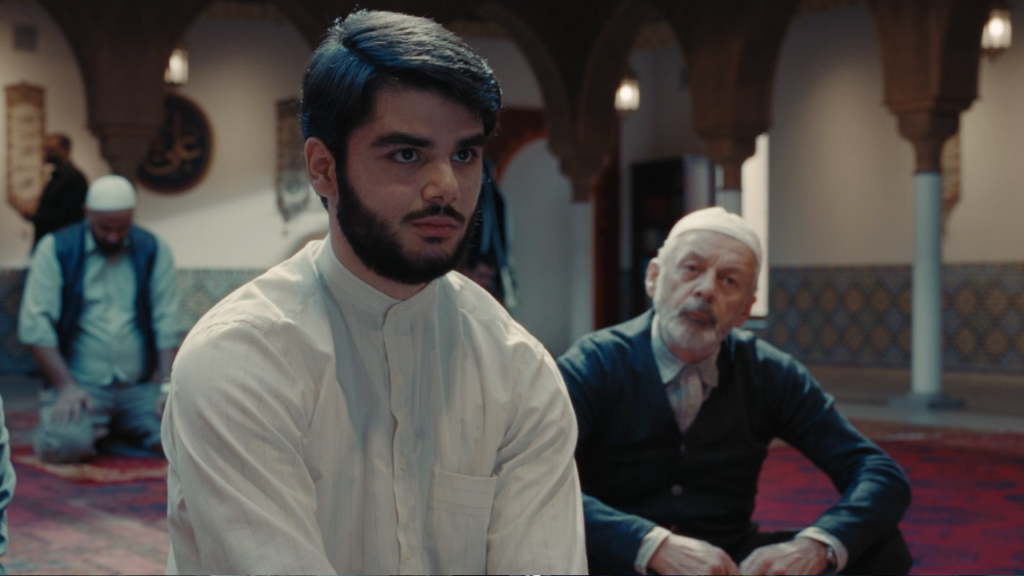
Among the most politically charged entries is Slovak filmmaker Ivan Ostrochovský’s Only Beautiful Things to Look At, which examines the forced sterilization of Romani women during Communist-era Czechoslovakia. Myanmar’s Fruit Gathering explores female intimacy and repression through the lives of two textile workers in Yangon, while Iranian filmmaker Nader Saeivar’s Hijamat examines religion, migration, sexuality, and internal family conflict after a man learns his younger brother is gay.
The Crystal Globe Competition also includes Chilean filmmaker Valeria Sarmiento’s Behind the Rain, a psychological drama about buried trauma and childhood sexual abuse, alongside Colombian entry Five Years, Four Months, which follows women searching for family members who disappeared during Colombia’s armed conflict.
Karlovy Vary’s Proxima Competition continues the festival’s focus on emerging and formally adventurous filmmaking. Organizers confirmed that 15 first-time directors are represented across the festival’s major sections this year. The lineup includes Indian filmmaker Yashasvi Juyal’s The Ink-Stained Hand and the Missing Thumb, a romantic drama set in remote northern India, and Austrian filmmaker Rosa Friedrich’s My Friend the Porn Star, which explores pornography, artificial intelligence, body politics, and identity through experimental storytelling.
The section also features hybrid fiction-documentary works, magical realism, and films experimenting with unconventional narrative structures, reinforcing Karlovy Vary’s reputation as one of Europe’s strongest discovery platforms for new international filmmakers.
Outside the competition sections, the Special Screenings lineup includes several politically resonant and documentary-driven projects. Acclaimed filmmaker and critic Mark Cousins will premiere The Story of Documentary Film – 1980s, continuing his expansive cinematic essay exploration of film history. Iranian-American production The Friend’s House is Here examines artistic freedom and political repression in modern Tehran, while Ukrainian documentary To Die to Live follows soldiers returning from the Russo-Ukrainian conflict through footage filmed across twelve years.
The festival also unveiled the juries for the 60th edition. The Crystal Globe Jury includes Pulitzer Prize-winning critic Justin Chang, Malaysian filmmaker Amanda Nell Eu, Norwegian filmmaker Eskil Vogt, producer Nadia Turincev, and Czech sound designer Pavel Rejholec. Meanwhile, the Proxima Jury includes Film Comment editor Devika Girish, Lithuanian filmmaker Marija Kavtaradze, and Guadalajara International Film Festival director Estrella Araiza among others.
Founded in 1946, Karlovy Vary remains one of the world’s oldest FIAPF-accredited Category A film festivals and continues to serve as the most prestigious film festival in Central and Eastern Europe. Over the decades, the festival has become known for balancing auteur-driven world cinema, emerging filmmakers, and audience-focused programming.
The 60th edition of Karlovy Vary will take place from July 3–11, 2026, with the newly announced lineup reflecting a wide range of contemporary global filmmaking voices and perspectives.
Read More:
- How much does responsibility seep into filmmaking? Or does it at all?
- Top 10 Visually Stunning Films Ever Made, Ranked by PoF
- Beyond Hype: The 10 Indian Films Defining Anticipation in 2026
- When Beauty Becomes a Prison: The Eternal Relevance of Jalsaghar
- When Fiction Predicts Reality: Movies That Became True