
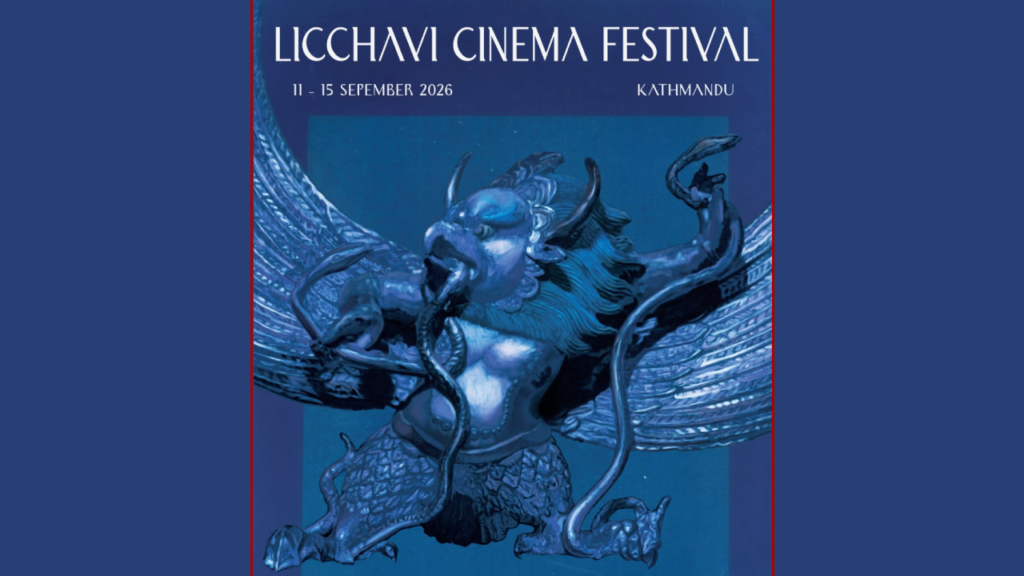
Kathmandu is gaining an international cinema platform with the launch of the Licchavi Cinema Festival, a first-edition event designed to bring Nepali, Asian and world cinema together in the Nepalese capital. The five-day festival will take place from September 11 to 15, 2026, at QFX Cinemas, Chhaya Centre, offering audiences a programme that moves between contemporary films, international works and influential classics.
The festival’s international range is one of its strengths. Films from Nepal, Bhutan, India, Pakistan, Thailand, France, Germany, Japan and Russia are included, creating a programme that connects different film cultures rather than keeping the focus on one national cinema. For Kathmandu audiences, that means an opportunity to encounter stories and filmmaking traditions from across Asia and beyond in one festival setting.
The selection also brings together films from different periods. Contemporary titles sit alongside older works that have shaped world cinema. Nepali films such as White Sun and The Red Phallus can be seen alongside Indian filmmaker Payal Kapadia’s All We Imagine as Light, while Bhutanese cinema is represented by Khyentse Norbu’s The Cup. Other selections include Ghost School, Perfect Days and Memoria.
The programme also reaches back to major international cinema. Andrei Tarkovsky’s Stalker gives the festival a chance to present the work of one of the most influential filmmakers in Russian cinema, while France’s La Haine adds another important film from a different period and tradition. This combination makes the festival more than a showcase of recent releases: it creates a space where audiences can see how different countries and generations have approached cinema.
Several filmmakers connected with the programme also underline its broad scope. Khyentse Norbu is an important figure in Bhutanese cinema and has a longstanding connection with Nepal. Nepali filmmakers Deepak Rauniyar and Abinash Bikram Shah are part of the country’s contemporary filmmaking landscape, while Tashi Gyeltshen adds another Bhutanese voice. Payal Kapadia’s presence through All We Imagine as Light further connects the festival with one of India’s most internationally recognised recent filmmakers.
The festival has grown from Licchavi House’s commitment to cinema and cultural dialogue, alongside Khyentse Norbu’s connection to Nepal. Its launch is also supported by Kathmandu Metropolitan City and the European Union, giving the event a wider cultural foundation as it begins its first edition.
For Nepal’s film culture, the significance of the festival lies in the exchange it can encourage. International festivals can give local filmmakers greater visibility while helping audiences discover films that may otherwise have limited theatrical access. By placing Nepali cinema alongside films from neighbouring Asian countries and established international traditions, Licchavi Cinema Festival creates a setting for comparison, conversation and discovery.
That variety is especially useful for audiences who want to understand cinema beyond mainstream international releases. The festival’s programme can move from a film rooted in Nepal’s social realities to a Bhutanese story, an Indian festival favourite, a Japanese character study or a landmark European film without treating them as unrelated choices. The range encourages audiences to notice different storytelling styles, subjects and ideas while keeping the programme accessible to people with different levels of film knowledge.
The selection also gives Nepalese cinema a place within a larger regional conversation. Rather than presenting Nepali films separately from international cinema, the festival places them beside works from countries with their own distinct film histories. That approach can help audiences see both shared concerns and differences across the region.
With its September programme, Kathmandu will have a new meeting point for filmmakers, films and audiences. The first edition will show how the festival develops, but its starting programme already gives it a clear purpose: bringing different cinema cultures closer together while giving Kathmandu audiences a broader view of what world cinema can offer.
Read More: