
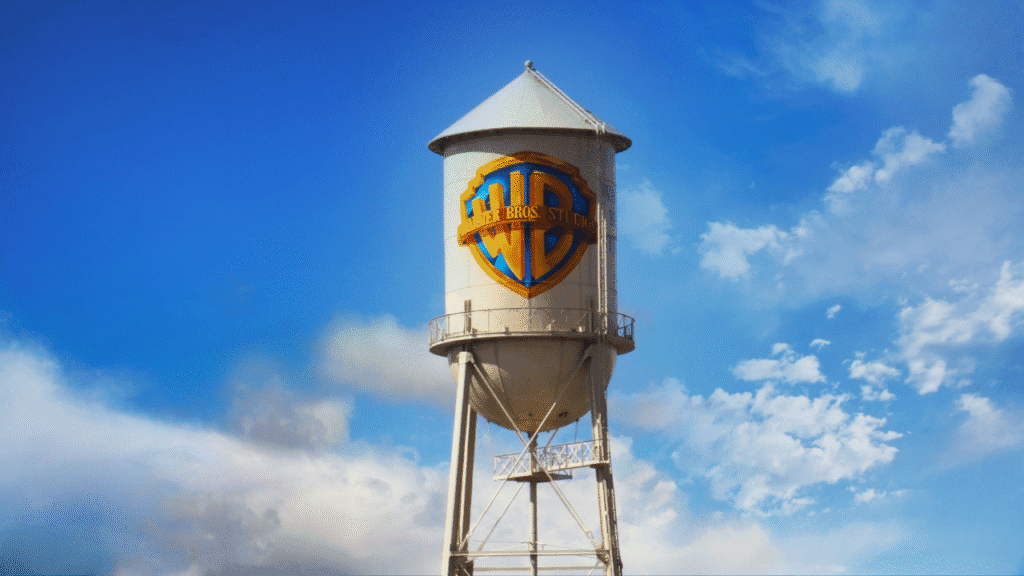
Netflix has moved into a decisive stage in its pursuit of Warner Bros. Discovery, entering exclusive negotiations to acquire the company’s storied studios and the HBO Max streaming business after surpassing rival bids from Paramount and Comcast. People familiar with the matter indicate that the streaming giant, led by Ted Sarandos and Greg Peters, submitted the most compelling offer, prompting Warner Bros. Discovery under David Zaslav to grant Netflix a period of exclusive talks. While the deal is far from closed, this shift signals a major turning point in what has become one of the most closely watched developments in global media.
Sources suggest that Netflix’s offer is heavily structured with cash, making it significantly stronger than competing proposals. The bid reportedly includes a large breakup fee to address anticipated government scrutiny, a move that underscores the high-stakes nature of the potential merger. If completed, the acquisition would hand Netflix control of some of Hollywood’s most valuable assets: Warner Bros.’ film and television studios, the HBO content ecosystem, and the entire infrastructure behind HBO Max’s streaming service. Such an expansion would elevate Netflix from the world’s largest streamer to a vast entertainment powerhouse with deep-rooted creative and production capabilities.
The bidding process itself has been marked by competition and tension. Paramount and Comcast both pursued the assets intensively, believing that Warner Bros. Discovery’s library and production capabilities could give them a vital edge. Paramount has already raised concerns about the fairness of the sale, questioning whether the process favored Netflix. Despite those objections, Warner Bros. Discovery appears convinced that Netflix’s bid meets both financial expectations and long-term strategic alignment, prompting the shift to exclusive negotiations. For an industry defined by rapid consolidation and shifting priorities, this development suggests a new chapter in the battle for streaming dominance.
At the same time, the potential deal is drawing political and regulatory attention. Several prominent producers and creative voices have already begun urging U.S. lawmakers to subject the merger to strict antitrust scrutiny, warning that combining a traditional studio giant with a global streaming titan may concentrate creative and financial power to an unprecedented degree. With Netflix already dominating subscriber markets worldwide, acquiring Warner Bros. Discovery’s assets would give it command over an expansive catalog that includes decades of cinema, iconic franchises, and premium television brands. Regulators are expected to examine how such consolidation could affect competition, pricing, licensing, and the broader creative ecosystem.
If the deal proceeds, its impact on the entertainment landscape would be profound. The combination of Netflix’s global distribution network with HBO’s prestige programming and Warner Bros.’ deep IP vault could reshape content strategies, potentially linking theatrical releases and streaming in new ways. This would challenge competitors like Disney+, Amazon, Apple TV+, and Peacock to rethink their long-term posture. It could also influence how filmmakers and creators engage with studios, as a single company would command unparalleled reach, resources, and bargaining leverage.
What happens next depends on how quickly Netflix and Warner Bros. Discovery move toward a binding agreement and how regulators respond once the deal is formally submitted for review. A public announcement could come soon if negotiations continue smoothly, but even then, the approval process would likely unfold over months as government bodies dissect the proposal’s implications. Should the deal ultimately clear all hurdles, integrating the two companies would be an enormous undertaking, involving catalog consolidation, content migration, global licensing adjustments, and strategic restructuring across multiple markets. This process, if it begins, would mark one of the most ambitious entertainment integrations in decades.
For now, the industry is watching a potential turning point that could redefine the future of film, television, and digital streaming. Netflix’s bid for Warner Bros. Discovery represents not just another deal but a transformational moment—one that could reshape the architecture of global entertainment and influence how audiences around the world experience stories for years to come.