
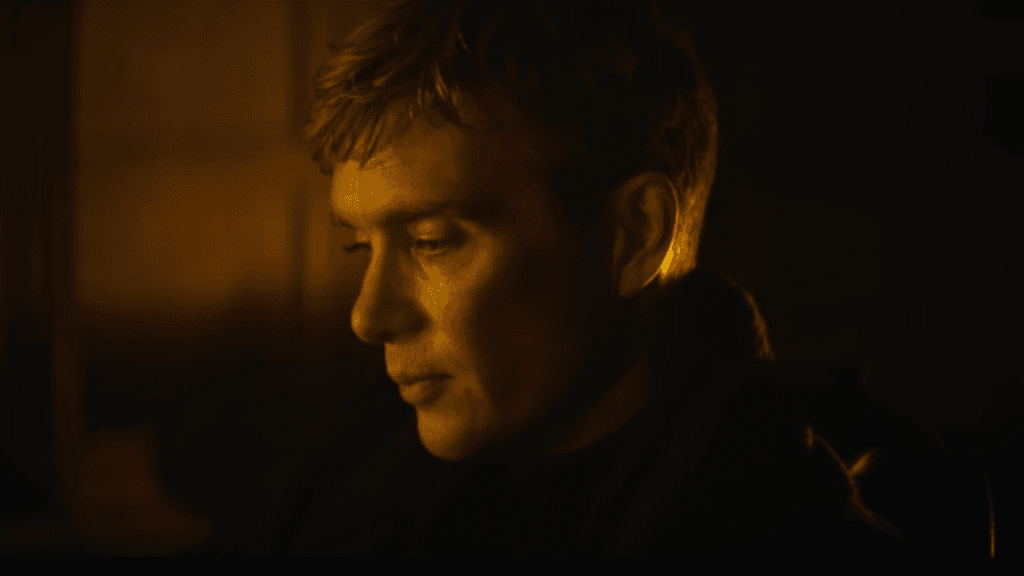
Christmas Eve became a moment of collective gasp for crime-drama fans across the world. Netflix unveiled the first teaser for Peaky Blinders: The Immortal Man, the long-awaited cinematic continuation of the cult BBC series that transformed Birmingham gang folklore into a global phenomenon. And in barely a minute of footage, one thing is clear — Tommy Shelby is not done yet. Maybe he never was.
This teaser marks the franchise’s next chapter after six seasons of television dominance. But here, the world feels colder, grimmer, and historically heavier. The smoke is thick, gunpowder darker, and morality far more fragile. Cillian Murphy — fresh off awards glory and cultural resurgence — returns to the iconic role that shaped a decade of dark-grit storytelling. As his voice breaks through the silence, everything about the man we once knew feels altered.
A Teaser Wrapped in Fog, Memory and Violence
No grand spectacle introduction. Instead, the teaser opens with imagery that feels ghostly — a lonely forest, a graveyard shrouded in silence, the Shelby home that once echoed ambition now humming with loss. A voice asks the question fans have carried since the series finale:
“Whatever happened to Tommy Shelby?”
The frames then snap like gunfire. A ringing telephone. Bloody confrontations. A shadow of Nazi symbolism hinting at the looming terror of WWII. Explosions tear through buildings while a red scarf rests heavy over a headstone. A spinning coin — fate, chance and Shelby’s eternal gamble — glimmers before disappearing into darkness.
Murphy’s voice cuts through the montage:
“I’m not that man anymore.”
And yet another voice demands:
“You gotta come back.”
In classic Peaky fashion, he slams his palms against a table — a gesture that says everything. Tommy may deny who he was, but the world refuses to let him walk away from who he must become.
Peaky Blinders redefined gangster storytelling on television, weaving industrial grime with operatic violence and poetic melancholy. With Peaky Blinders: The Immortal Man, creator Steven Knight and director Tom Harper are expanding that universe onto a broader battlefield. The film is set against the backdrop of World War II, a timeline that finally intersects with history’s darkest crescendo.
Tommy Shelby, once the king of Birmingham smoke and whiskey-lit deals, now faces conflict on a national — perhaps global — scale. The stakes aren’t just about family feuds or gang rivalries anymore. They’re about ideology, loyalty, fascism rising, and the ghosts of every sin Shelby committed on his way to power.
This is the kind of world that demands the return of a man who promised to disappear.
Cast, Characters & The Promise of New Fire
Cillian Murphy leads again, with familiar faces expected to carry emotional continuity — a reminder that loyalty and betrayal are often separated by a razor’s edge in the Shelby world. Alongside returning cast, new additions including Rebecca Ferguson, Barry Keoghan and Tim Roth signal a narrative expansion. These aren’t just cameos; they’re confrontations waiting to explode.
If Murphy’s Oppenheimer gave us the quiet horror of guilt, The Immortal Man seems ready to show guilt turning into fury. The teaser already hints that Tommy is more broken, more reflective — yet dangerously composed. A man who wants peace is often the most violent when forced back into war.
Fans have waited years for closure. Some hope the film concludes Tommy’s arc. Others believe this could ignite spin-offs or an expanded Peaky universe. The teaser doesn’t answer — and that silence builds anticipation brilliantly.
Visually it breathes everything that made the series timeless: muted palettes, operatic slow-motion, religious imagery, cigarettes burning like countdown clocks. But now the camera feels cinematic in weight. Wider, bolder, explosive. A gangster saga evolving into war cinema. And through it all stands Tommy Shelby — a character too iconic to fade, too cursed to rest.
Peaky Blinders: The Immortal Man looks like a story of reckoning. Of legacy. Of whether a man built from blood can ever live without it. If the series was about rise, fall and transformation, the film feels positioned as judgment. A final act — or the beginning of something darker.
Read More: