
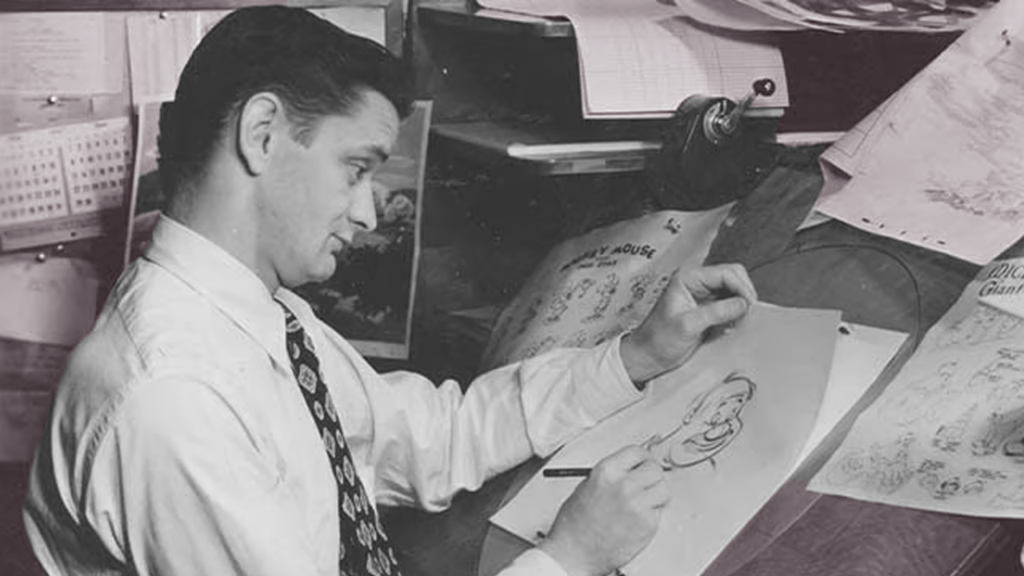
Every country dreams of building an animation industry. Very few realise they first have to build an animation culture.
It is a powerful tool to create one’s own version of a new world. And sow its cultural roots deep underground until, one day, they emerge stronger than anyone could have imagined.
When people think about animation today, they usually think about billion-dollar studios, blockbuster films, streaming platforms, merchandise, or global franchises. But almost none of those things existed when animation first began finding its place. Business came much later. Culture came first. Stories came first. People relating to those stories came first. Animation has always been an investment into that relationship before it became an investment into profit.
The biggest example of this is Japan.
Today, anime is one of Japan’s strongest cultural exports. Series like Naruto, Dragon Ball, One Piece, and hundreds of others have audiences spread across almost every country. But that wasn’t how it started.
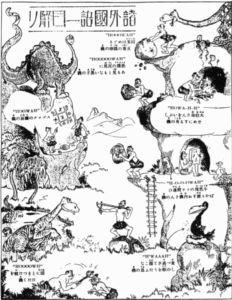
Japan already had manga, Japanese comics. People had already fallen in love with these stories. They were reading them, discussing them, waiting for new chapters every week. There was already a culture around these stories. On that foundation, a few relatively small studios decided to take a risk. They animated these manga and brought those love stories to life. These were small budgets, small teams, small profits, and an unexplored field.
None of these studios knew they were building one of the biggest cultural industries in the world. They were simply experimenting with a different method of expression.
That is what made the difference.
They weren’t creating animation because audiences were demanding animation. They were creating animation because they believed these stories could be experienced differently. They took a creative risk before they ever knew whether there was a business waiting on the other side.
Even the people watching these early animations probably didn’t know they were looking for animation. They simply loved the stories. Animation became another way of experiencing those stories. Slowly, almost without anyone noticing, people developed an appetite for this entirely new language of storytelling.
That is how a cultural movement begins.
Once enough people begin relating to these stories in this new medium, everything around it starts growing naturally. More studios come to light. More artists join in. Better technology arrives. Streaming platforms compete for licenses. Businesses finally start to become profitable.
But the business didn’t create the culture. The culture created the business. India, too, often asks whether animation can become a viable industry. History suggests a different question may matter more, can we first build an animation culture that people truly belong to?
Marvel followed a very similar path.
Today, Marvel is almost synonymous with superhero films. But the movies are simply the latest chapter of something much older. Marvel spent decades building its characters through comic books. Long before billion-dollar films, people already knew Spider-Man, Iron Man, Captain America, X-Men, and countless others. They had already invested emotionally in these characters.
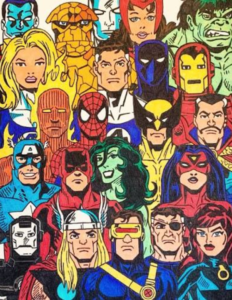
Marvel animation became a phenomenon before the Marvel Cinematic Universe ever existed. But even those animated series stood on the shoulders of decades of comic book storytelling. The comics were the original cultural movement. The films simply expanded something that people had already welcomed into their lives.
The same pattern appears almost everywhere.
Take Pixar Animation Studios, for instance.
Toy Story, an American animated adventure comedy, didn’t become one of the greatest animated films because it had better technology. If that were true, every technically impressive animation would become a classic. People loved Toy Story because they saw themselves in Woody and Buzz. They understood friendship, growing up, feeling left behind, and trying to find where they belonged. Animation simply became the medium through which those emotions were expressed.
Or look at Kung Fu Panda, an American animated martial arts comedy produced by DreamWorks Animation. It wasn’t just a funny martial arts film. It respected the philosophies and aesthetics it drew inspiration from while telling a story that almost anyone could relate to. Identity, self-doubt, purpose, discipline, those emotions travel much farther than any specific culture.
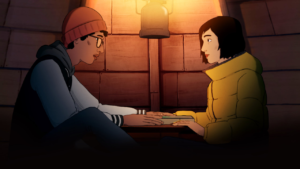
Even films like I Lost My Body, a French adult animated fantasy drama film directed by Jérémy Clapin, show another side of animation altogether. It proves that animation doesn’t have to rely on fantasy worlds or exaggerated characters. Sometimes it can tell deeply personal, deeply human stories that might actually lose something if they were made in live action. Animation isn’t escaping reality. Sometimes it is simply another way of expressing what is real.
What all of these creators were really doing was investing in people’s interests. They were developing a hunger for a new way of experiencing stories. Not because there was already a market demanding it, but because they believed there could be one.
That is something worth noticing.
No one came seeking profit first. Almost all of them came seeking expression first.
Profit was never irrelevant. But it also wasn’t the reason these industries came into existence. They were experimenting. Judging for themselves first. Testing the waters before anyone could guarantee success.
And perhaps that is how every cultural movement begins.
People often assume audiences already know what they want. But very often, they don’t. Nobody asked for anime before anime existed. Nobody asked for Pixar’s style of storytelling before Pixar discovered it. Sometimes audiences only realise they wanted something after someone has already created it.
That is why animation is such an extraordinary cultural investment. It expands the possibilities of storytelling itself. Once people become familiar with one style, they become open to another. One successful experiment gives confidence to ten more creators. Those creators inspire another generation. New studios emerge. Different voices finally find an audience.
One isn’t simply creating another animated film. One is creating a new language through which stories can be told. And once enough people begin speaking that language, businesses naturally surface around it.
Perhaps that is the biggest misconception about animation. People often see it as an industry first and an art form second. But history repeatedly shows the opposite. Animation becomes an industry only after it has become part of a culture.
Because in the end, when you create a whole culture through the means of animation, you don’t just create successful films. You expand the possibilities of storytelling itself.
Read More:
- Spotlight: Making Injustice Heard in a World of Untouchable Power
- Harry Potter and the Question Every Reboot Must Answer
- Good Films Are Often Bad Experiences
- Top 10 Sequels That Elevated Cinema: When Hollywood Got Better the Second Time
- How much does responsibility seep into filmmaking? Or does it at all?