
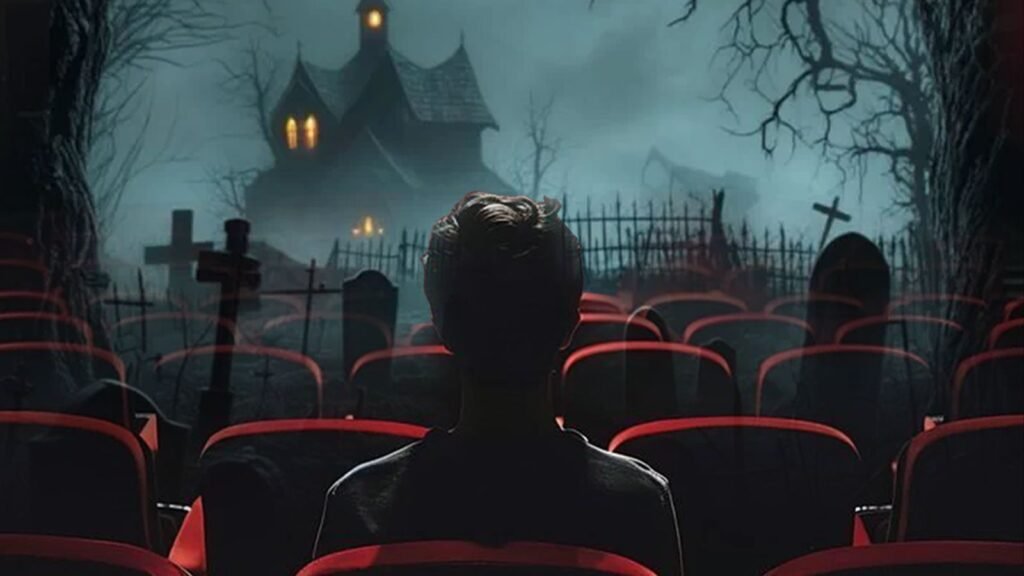
Horror is perhaps the only film genre whose experience is fundamentally altered by where it is watched. A comedy remains funny, a drama remains emotional, and an action film remains exciting whether viewed at home or in a theatre. Horror, however, depends on immersion, and nowhere is that immersion more complete than inside a dark cinema hall.
While everything feels grander when viewed on the big screen, horror is different. Horror is one such specific genre which, if viewed in theatres, expands the experience much more than any other genre. It is perhaps the only genre where the theatre itself becomes an active participant. The dark hall, the towering screen, the deafening silence before a loud burst of sound, the inability to stop the big frame that’s in your face, all of it comes together to create an atmosphere that simply cannot be recreated elsewhere.
There are those particular things in horror. The slow suspense, the jump scares that come from nowhere, the sudden reveal of the ghost from the corner of a room or corridor, the sound used at every instance to amplify the horror, all these are a treat, if nothing else, in theatres. At home, these very things might, to an extent, feel comfortable. The lights can be switched on, the volume lowered, the phone checked, or the film paused for a breather. But the true intention of the filmmaker of a horror film is for the audience to feel the scare, to jump off their seats frightened. That is the aim. And that aim is achieved closest when the film is viewed in theatres.
Sound, in particular, deserves its own mention. Horror often relies less on what is seen and more on what is heard. A distant creak, a whisper, footsteps approaching from somewhere unseen, or a sudden silence before chaos erupts, these are details that surround an audience inside a theatre. One does not simply hear them; one gets immersed in them. The unsettling score of Insidious, the American horror film franchise created by Leigh Whannell and James Wan, the unnerving silences in The Conjuring (2013), an American supernatural horror film directed by James Wan, or the suffocating atmosphere built through sound in Hereditary (2018), an American supernatural psychological horror film written and directed by Ari Aster, become far more consuming when there is no place for the ears to escape.
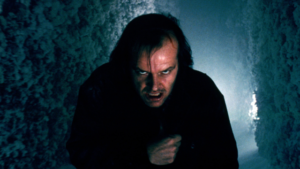
The same applies to the visual experience. Horror is a genre obsessed with the edges of the frame. Filmmakers often place something terrifying where the eye least expects it, in the background, reflected in a mirror, standing silently at the end of a corridor. A television or laptop screen inevitably shrinks that world. A theatre screen, however, magnifies every bit of it. The slow discoveries in The Shining (1980), a psychological horror film produced and directed by Stanley Kubrick and based on Stephen King’s novel of the same name, or the creeping sense of dread in Hereditary become more than scenes, they become spaces that the audience almost feels trapped inside, relating to the experience of the characters on screen.
Perhaps the greatest strength of theatres is that they demand surrender. The inability to pause, look away, or take a moment because of whatever reason keeps viewers invested throughout, which is sure to enhance the experience. Horror thrives on uninterrupted tension. It wants the audience to remain inside its world long enough for anxiety to build, for anticipation to become unbearable, and for every reveal to feel earned or almost craved for. Watching in a theatre allows that carefully designed rhythm to play out exactly as intended.
There is also something viral about fear. Watching horror in a packed theatre means every gasp, scream, nervous laugh and collective silence becomes infectious, hence spreads. The fear of one person quickly becomes the fear of everyone. One almost begins anticipating not only what the film will do next but how the audience around will react. That shared nervous energy is impossible to replicate while watching alone and in the comfort of one’s home.
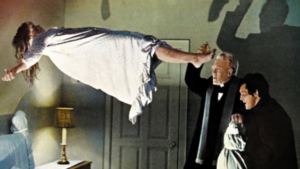
Interestingly, this collective experience does not reduce fear, it heightens it. One knows the scares are fictional, yet hearing dozens of people react simultaneously somehow validates the terror. It is why films such as The Exorcist (1973), an American supernatural horror film directed by William Friedkin, or The Conjuring became cultural theatre experiences as much as successful horror films. The stories were frightening on their own, but the environment in which they were watched elevated them further.
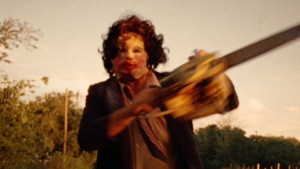
Different kinds of horror also benefit from theatres in different ways. The supernatural horrors of Insidious and The Conjuring depend heavily on atmosphere, sound and sudden shocks, all of which flourish on the big screen. Psychological horror like The Shining and Get Out (2017), an American psychological horror film written, co-produced, and directed by Jordan Peele, slowly tightens its grip through discomfort and unease, making the audience sit with emotions they cannot simply switch away from. Meanwhile, the raw brutality of The Texas Chainsaw Massacre (1974), an American independent horror film produced, co-composed, and directed by Tobe Hooper, becomes even more overwhelming because of its relentless intensity. Despite their differences, they all rely on immersion, and theatres provide exactly that. And such films need it.
At home, one is perhaps watching the film, but in theatres one feels the horror. One is moved by the little horrors shown inside the big horrors. The darkness outside the screen begins to feel like an extension of the darkness within it. Every shadow seems deeper, every silence heavier, every sound somehow louder.
Perhaps that is why horror has always found its natural home in theatres. Not because the stories become scarier, but because the audience becomes more vulnerable to them. The experience asks viewers to surrender themselves completely, and in return rewards them with fear in its purest cinematic form, the way it’s truthfully supposed to be delivered to the audience.
Horror may survive on any screen, but it, in its truest form, comes alive only on the big one.
Read More:
- Beyond Hype: The 10 Indian Films Defining Anticipation in 2026
- Hollywood Box Office Failures 2025 Explained — What The Year’s Biggest Misses Taught Us
- Why James Cameron’s Films Refuse to Fade — Even When the Box Office Is Done
- Best Santa Claus Movies of All Time, Ranked by Impact and Legacy
- 35 Years Later: From Traps to Triumphs: Where Are the Stars of ‘Home Alone’ Now?