
The greatest love stories ever told rarely end with two people growing grey hair together. They either end in separation, death, sacrifice, or almost. Maybe that’s why they stay with us forever.
When people say “everyone loves a happy ending,” I’m not sure that’s entirely true. Happiness is beautiful, yes, but it’s fleeting. We don’t trust it completely. The moment things become too good, there’s always that voice somewhere saying, don’t get too comfortable, tragedy is just around the corner.
But sadness? Sadness settles. The down is more powerful than the up.
A tragic ending freezes love in time. It never gets the chance to become ordinary. No bills, no routines, no fading excitement. Just longing, and memory. The ache of what could have been. And maybe that ache feels more eternal than happiness ever could. That’s why the most iconic love stories across literature and cinema are tragedies.
From Romeo and Juliet in England, two teenagers from feuding families whose love ends in death, to Layla and Majnun, the Middle Eastern tale of a man who goes mad because society won’t allow him to be with the woman he loves. From Heer Ranjha, where two lovers from the Indian subcontinent are poisoned before they can unite, to Shirin and Farhad, the Persian story of a heartbreaking double tragedy.
Different countries, different centuries. But the same ending. Love is remembered most deeply when it does not survive the world around it.
Cinema understands this feeling perhaps better than anything else.
Directed by James Cameron, this American epic romance-disaster film became one of the biggest films ever made, but at its core, it is painfully simple, two people who meet at the wrong time and wrong place.
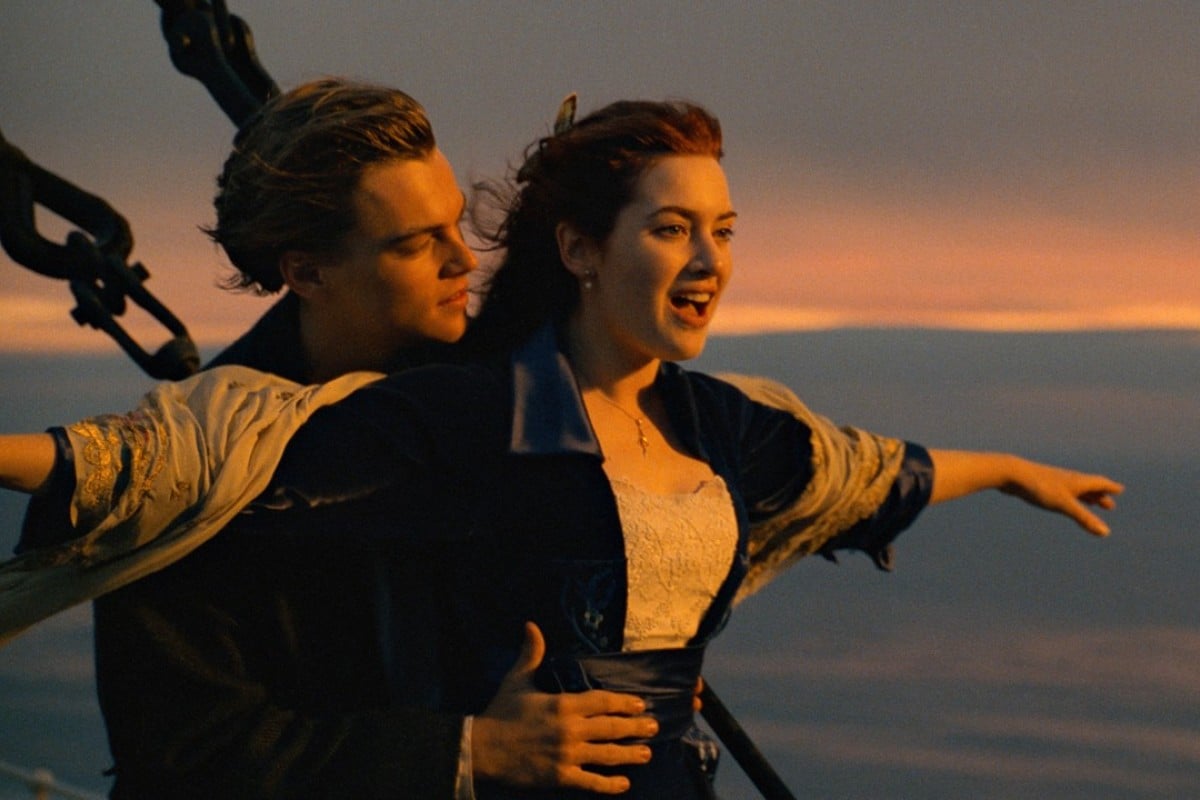
Jack and Rose fall in love on a ship that is already doomed. Their love becomes intense because it exists under a countdown. Every glance matters more. Every conversation feels urgent. Every moment feels stolen from death itself because you already know that the ship is going to sink.
And then comes the ending that instills pure grief, because Jack sacrificing himself freezes their love forever. Rose never watches the relationship decay. Jack remains young, brave, loving, and immortalized in the cold water. The tragedy preserves the romance. A happy ending would have made them human. The tragedy made them eternal.
Indian cinema has produced many tragic romances, but few feel as grand and timeless as Mughal-E-Azam.
Directed by K. Asif, the Hindi-language historical epic tells the story of Prince Salim, the future Mughal emperor Jahangir, and Anarkali, a court dancer. Their love was impossible from the beginning. Not because they didn’t love each other enough, but because power, status, and empire stood in between. That’s what makes tragic love stories so devastating. Love itself is rarely the problem. The world is.
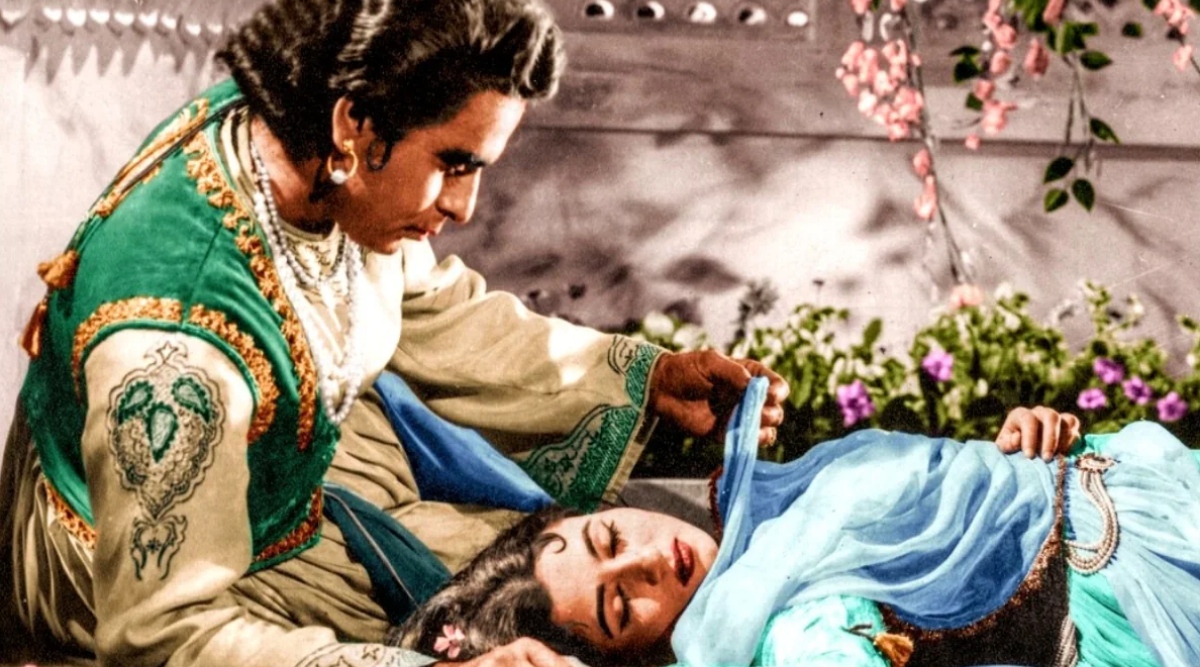
One of the most haunting moments in Hindi cinema is probably Anarkali being sentenced to be buried alive behind a wall, the famous “deewar chunwayi” sequence. Even decades later, that image still feels monumental because the punishment is symbolic in such a cruel way. Love is not just being ended. It is being sealed away forever. Frozen and how.
That is exactly why the tragedy of Mughal-e-Azam feels eternal. Salim and Anarkali never get the chance to become ordinary. Their love remains suspended in longing, sacrifice, and resistance.
If tragedy had a face in Indian cinema, it might be Devdas.
Adapted from Sarat Chandra Chattopadhyay’s 1917 novel of the same name, this Hindi film is overwhelming in every possible way, be it visually, emotionally, or musically. But underneath all the spectacle is helplessness. Devdas and Paro love each other deeply, yet family expectations, pride, and timing keep pulling them apart until the distance becomes irreversible.
And the ending destroys you every single time. Paro runs towards Devdas as the gates close. You want her to run faster. Wanting time itself to slow down. Wanting them to get one final embrace. But tragedy does not care what the audience wants. That’s why it hurts.
The film understands something terrifying about love, sometimes people love each other completely and still cannot make it work. That feels real. Not idealized or cinematic. Just real. And because there’s no true closure, their love keeps living in the viewer long after the film ends.
Brokeback Mountain (2005), adapted from a short story of the same name by author Annie Proulx, directed by Ang Lee, this American romantic drama follows Ennis and Jack, two cowboys who fall in love in 1960s America.

The tragedy here is quieter than Titanic or Devdas. But cuts even deeper. Because nothing dramatic is stopping them except society itself. The time they were born in, along with fear, masculinity, shame.
They steal moments instead of building a life. A few days on a mountain become enough to sustain years of longing. Every reunion carries both love and grief because they know it can never last. That’s what makes the film so heartbreaking. Love exists fully between them, but never safely.
And then comes the final image, Ennis holding Jack’s shirt. It says everything without saying much at all. A life reduced to memory. A love reduced to what could have been. That restraint makes the tragedy feel unbearably real. You sob. You’re angry. You want to scream at the world that refused to let the purest human emotion, love, exist freely and fully. But what the tragedy gives the story is eternity.
Before Titanic, Leonardo DiCaprio played another doomed romantic hero in Baz Luhrmann’s Romeo + Juliet.
It is Shakespeare, but chaotic, modern, and loud. Romeo and Juliet fall in love almost instantly, but the world around them is already violent. Their relationship never gets room to breathe normally. Everything feels accelerated and intense. And maybe that intensity is exactly why the story survives centuries later. The ending is painful not simply because they die, but because it all feels avoidable. One message delivered on time and everything changes. One moment earlier and they survive.
That closeness to happiness makes tragedy even more devastating. It lingers because the audience keeps replaying the “what if.” And “what if” is where eternal love stories live. What if Paro had reached in time, what if Ennis and Jack lived in another era, what if Akbar understood his son’s love, what if the world wasn’t so cruel. And what if Rose had shared the door space to float with Jack. Now that’s a funny one.
The truth is, happy love stories often continue beyond the frame. We imagine the rest. Life happens after the ending. But tragic love stories stop at their emotional peak. That’s why they remain untouched.
Romeo and Juliet never get old enough to resent each other. Jack and Rose never lose the intensity of first love. Devdas and Paro never move into ordinary domesticity. Ennis and Jack never get the freedom to discover whether reality could survive fantasy.
Their stories remain preserved exactly where the feelings were strongest. Raw, bare, and unfinished. And maybe that is why, across literature, folklore, and cinema, the love stories humanity keeps returning to are the tragic ones. Not because people enjoy sadness more than happiness. But because tragedy leaves behind echoes.
A happy ending brings a story full circle. A tragic ending keeps it alive forever.
Read More: