
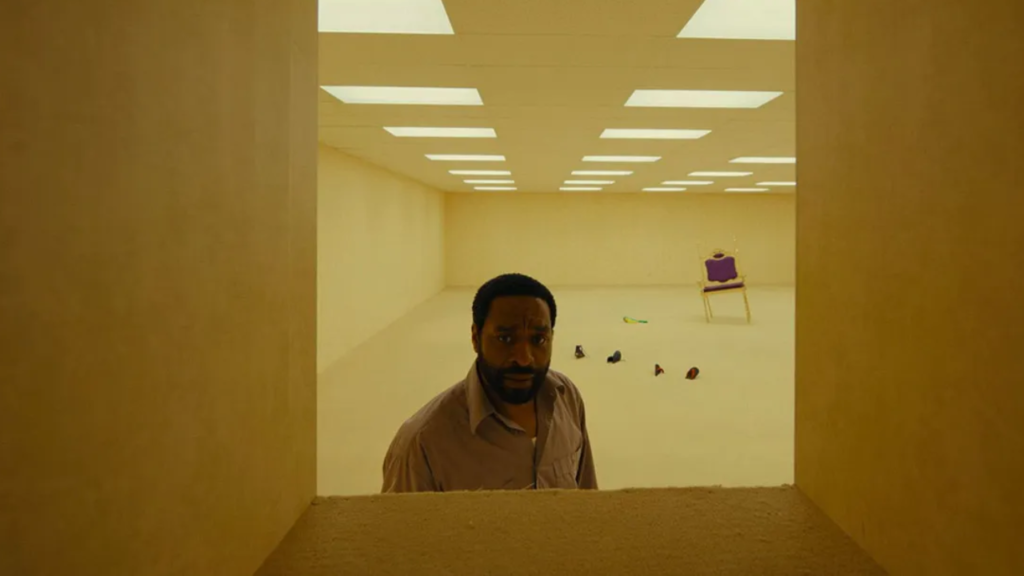
Backrooms Review Roundup: Backrooms has emerged as one of the most talked-about horror films of 2026, with critics praising director Kane Parsons for transforming a viral internet horror phenomenon into an unnerving and visually immersive cinematic experience. Backed by A24, the sci-fi horror film adapts the internet-famous “Backrooms” mythology into a feature-length nightmare filled with endless yellow corridors, surreal architecture, and psychological dread.
Starring Chiwetel Ejiofor and Renate Reinsve, the film has already sparked major conversation among critics for its atmosphere-heavy storytelling and experimental approach to horror filmmaking. Early reviews have been largely positive, with many critics applauding Parsons’ direction, sound design, and visual precision, while others remain divided on the film’s abstract narrative structure and emotionally distant storytelling. According to Rotten Tomatoes reactions, the film is quickly becoming one of the year’s defining horror releases.
Backrooms follows a man who becomes trapped inside a mysterious labyrinth of endless empty rooms and distorted spaces where reality itself begins to fracture. As he navigates the haunting maze-like environment, the line between memory, trauma, and nightmare gradually collapses. Starring Chiwetel Ejiofor and Renate Reinsve, Backrooms blends analog horror aesthetics with existential sci-fi and slow-burn psychological terror, creating an atmosphere critics have described as hypnotic, disorienting, and deeply unsettling.
Much of the critical praise has centered on Kane Parsons himself, with several reviewers expressing surprise at the confidence and technical control displayed by the young filmmaker in his feature debut. The Guardian described the film as “icily disturbing horror” that rewrites genre expectations through atmosphere and visual unease rather than relying on conventional scares. IndieWire similarly praised Parsons for turning internet-born horror into an ambitious cinematic experience, describing the film as a “nightmarish descent into architectural dread.”
Critics repeatedly highlighted Parsons’ command of framing, lighting, and sound design. Time Out noted that the filmmaker “astonishingly” expands the analog horror style of his viral web-series into feature filmmaking, while IGN called the film a “terrifying cinematic rabbit hole” filled with cerebral horror and immersive production design. Rotten Tomatoes reactions also reveal a recurring admiration for Parsons’ visual instincts, with multiple critics praising the film’s ability to transform mundane office spaces and fluorescent corridors into terrifying cinematic landscapes.
The film’s use of liminal horror has become one of the biggest talking points across reviews. Rather than building its scares around gore or traditional jump scares, Backrooms creates fear through emptiness, repetition, and the uncanny sensation of being trapped inside spaces that feel both familiar and deeply wrong. Austin Chronicle compared the experience to a “King in Yellow wallpaper nightmare,” while Screen Daily described the film as a “creepy slow-burn horror” driven by psychological unease and dreamlike pacing.
Several critics praised how the environment itself becomes the film’s central source of terror. Metro called the movie “something new” for modern horror because of its blend of found-footage tension and surreal visual storytelling, while Irish Times argued that Backrooms succeeds where many creepypasta adaptations fail by functioning as effective cinema even for audiences unfamiliar with the internet lore surrounding the property. Many reviews also drew comparisons to the works of David Lynch, as well as films like Skinamarink, because of the film’s abstract dream logic and oppressive atmosphere.
The performances from Chiwetel Ejiofor and Renate Reinsve have also received strong notices from critics, particularly for grounding the film’s surreal storytelling with emotional realism. Variety praised Ejiofor’s emotionally layered performance, noting that he helps anchor the nightmare world with a believable sense of fear and exhaustion. The Hollywood Reporter similarly highlighted the chemistry and tension between the lead performances, even while acknowledging that the film’s abstract structure may not resonate with all viewers.
Some reviews were more mixed on the emotional depth of the characters. The Evening Standard praised Ejiofor’s work but suggested that Reinsve occasionally feels underused within the larger mystery-driven narrative. Still, many critics agreed that the cast helps maintain audience engagement even when the film becomes intentionally disorienting.
While the film’s atmosphere and technical craftsmanship have been widely praised, several critics were more divided on its storytelling. TheWrap argued that Backrooms becomes less effective whenever it attempts to explain its mythology or thematic ideas, suggesting the film works better as an experience than as a traditional narrative. MovieWeb similarly noted that viewers who do not already find liminal spaces inherently unsettling may struggle to connect with the film beyond its visual craft.
A few critics also questioned whether the feature-length format occasionally stretches material that originated as shorter internet horror videos. Daily Dead and other mixed reviews suggested that the film’s abstract pacing and repetitive environments may alienate viewers looking for more conventional storytelling or emotional payoff. Even so, many of those same critics still praised Parsons’ ambition and technical execution, viewing the film as an important artistic statement for modern horror filmmaking.
Beyond the individual reviews, one of the most fascinating conversations surrounding Backrooms is what the film represents for the future of horror cinema itself. Several critics described the film as evidence that internet-native filmmakers are beginning to reshape mainstream filmmaking language. The Australian called the movie “the future of cinema,” praising its web-lore-inspired storytelling and lean experimental style, while multiple reviewers pointed toward the growing influence of YouTube horror culture and analog horror aesthetics on contemporary genre filmmaking.
Backrooms ultimately feels larger than a standard horror release because it represents a generational shift in how horror stories are being created and consumed. Kane Parsons belongs to a wave of filmmakers shaped as much by internet visual language as traditional cinema, and the film’s success with critics suggests audiences are increasingly open to atmosphere-driven storytelling that prioritizes mood, immersion, and existential dread over conventional exposition-heavy narratives. Whether viewers fully connect with its abstract storytelling or not, Backrooms has already established itself as one of the most culturally significant horror films of the year.

Film: Backrooms
Rating: R
Runtime: 1h 50m
Genres: Horror, Sci-Fi
Studio: A24
Directed by: Kane Parsons
In Theaters: May 29, 2026
Cast: Chiwetel Ejiofor, Renate Reinsve, Mark Duplass
Read More Review Roundups on POF