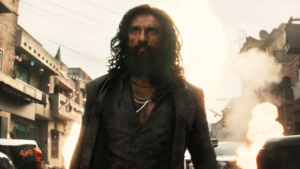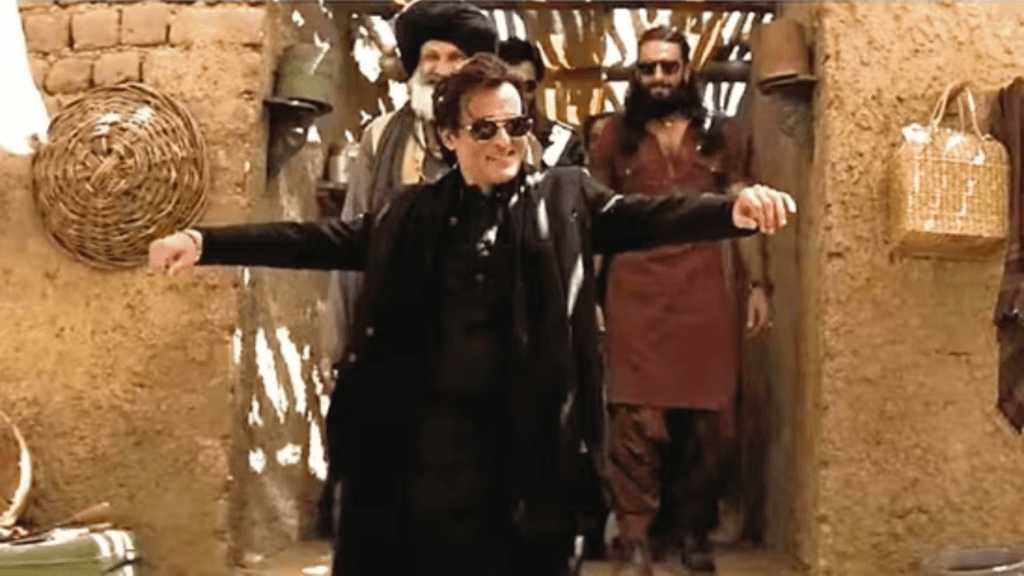
Ranveer Singh’s action thriller Dhurandhar has landed on Netflix after a successful theatrical run, but its streaming debut has opened up an unexpected controversy. The film, which released in cinemas in December 2025 and was certified ‘A’ for adult audiences, has triggered criticism from viewers who say the OTT version appears edited, censored, or trimmed in comparison to what played in theatres.
Marketed as a gritty, high-stakes spy thriller, Dhurandhar follows an Intelligence Bureau–led covert mission steeped in political intrigue, violence, and moral ambiguity. Led by Ranveer Singh, the ensemble cast includes R. Madhavan, Akshaye Khanna, Sanjay Dutt and Arjun Rampal. In theatres, the film positioned itself firmly as an adult-oriented mainstream action drama, leaning into a darker tone than the typical commercial spy spectacle.
Soon after the Netflix release, viewers began pointing out noticeable differences between the streaming cut and the theatrical version. Social media posts and fan discussions highlighted missing or shortened scenes, muted dialogue, and abrupt transitions that were not present during the cinema run. Several viewers claimed that moments of violence and confrontation appeared softened, leading to questions about why a film already cleared for adults would undergo further modification on a digital platform.
The issue has struck a nerve largely because OTT platforms in India are not governed by the Central Board of Film Certification. For years, streaming services were seen as a space where filmmakers could present unaltered versions of their work, especially when those films had already passed theatrical scrutiny. In that context, the idea of an ‘A’-rated film being edited for OTT consumption has left many viewers frustrated, with some calling it a breach of trust rather than a routine compliance measure.
Industry observers note that Dhurandhar is not an isolated case. Netflix India, like other major platforms, has previously faced criticism over altered streaming versions of theatrically released films and series, often attributed to internal content moderation policies or sensitivity around political, institutional, or violent material. However, the absence of a clear explanation in this instance has amplified speculation, with audiences left guessing whether the changes were platform-driven, producer-approved, or made pre-emptively to avoid potential backlash.
So far, neither Netflix nor the makers of Dhurandhar have issued an official clarification addressing the reported edits. The silence has only added to viewer dissatisfaction, particularly among those who expected the OTT release to preserve the theatrical experience in full. For many fans, the concern is not simply about censorship, but about transparency—knowing whether what they are watching reflects the filmmaker’s original cut.
Beyond the immediate backlash, the controversy has also revived a broader debate around creative freedom on streaming platforms in India. As OTT services increasingly function as the second life for big-budget Hindi films, audiences are growing more vocal about wanting consistency between theatrical and digital versions, especially when a film is explicitly designed for adult viewers.
From a trade perspective, Dhurandhar’s Netflix debut has undeniably expanded its reach, bringing the film to audiences who may have missed it in theatres. Yet the reaction also underscores a potential risk for platforms and producers alike: edited streaming versions can dilute narrative impact and erode viewer confidence in OTT releases as definitive editions of a film.
As the conversation continues online, Dhurandhar has become the latest flashpoint in an ongoing industry dilemma. When a film is made, marketed, and certified for adults, audiences are increasingly asking whether its digital incarnation should look any different from what they paid to watch in theatres—and if it does, whether viewers deserve to be told why.
Read More: