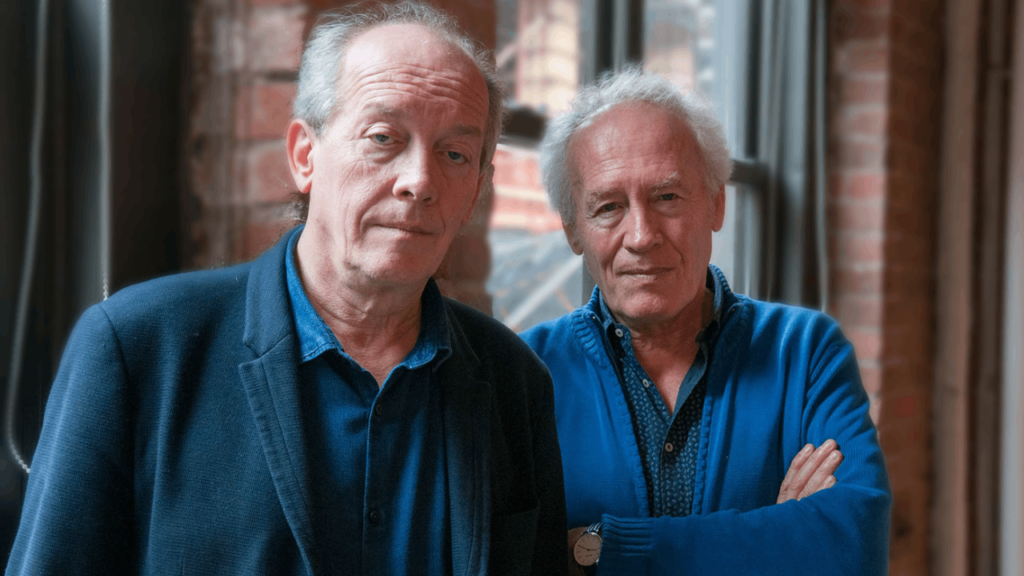
Jean-Pierre and Luc Dardenne, the Belgian filmmaking brothers whose work has brought working-class lives, social realities and complex moral questions to the forefront of European cinema, will receive the European Film Academy’s Lifetime Achievement Award at the 39th European Film Awards. The ceremony will take place in Athens on January 16, 2027, recognising more than four decades of their contribution to cinema as directors, screenwriters and producers. The honour follows another significant Cannes achievement for the brothers with their latest film, Young Mothers (2025).
The Dardennes’ association with the Cannes Film Festival is among the most enduring relationships between contemporary filmmakers and the festival. Of their 13 feature films, 11 have screened on the Croisette, with 10 competing in the official selection. Every feature from Rosetta (1999) through Young Mothers (2025) has been selected for the festival’s main competition. Over the years, Cannes has provided a consistent platform for the brothers’ work, bringing their closely observed stories to audiences and critics across different generations.
Their international breakthrough came with Rosetta, a film centred on a young woman struggling to secure employment and maintain some stability in her life. The film won the Palme d’Or at the 1999 Cannes Film Festival, while its lead performer, Émilie Dequenne, received the festival’s Best Actress prize. The recognition established the Dardennes as major voices in European cinema, with a filmmaking approach that placed the everyday struggles of ordinary people at the centre of their stories.
Six years later, the brothers won the Palme d’Or for a second time with The Child (2005). The film follows a young couple whose lives are transformed after the man makes a devastating decision. Winning Cannes’ highest honour twice placed Jean-Pierre and Luc Dardenne in a select group of filmmakers to have achieved the distinction. These two victories also became defining milestones in a career marked by a sustained relationship with the festival and a consistent interest in stories rooted in social realities.
The brothers’ filmmaking is closely connected to Seraing, the industrial town near Liège where they grew up. The social and economic conditions of the region have informed much of their work, which frequently follows individuals confronting unemployment, poverty, migration, family pressures and difficult moral choices. Their films examine these circumstances through the experiences of specific characters rather than relying on speeches or overt explanations. Everyday decisions, brief encounters and small gestures become ways of revealing the pressures that shape people’s lives.
This close attention to character also informs their approach to casting and performances. Jean-Pierre and Luc Dardenne have frequently worked with newcomers, local performers and non-professional actors, allowing their films to retain a sense of immediacy and lived experience. Their casting choices are closely aligned with the environments and people depicted in their stories, keeping the performances grounded in the circumstances of the characters.
Two Days, One Night (2014) offered a notable variation on that approach by casting French star Marion Cotillard in the lead role. She played Sandra, a factory worker who has one weekend to visit her colleagues and persuade them to give up their bonuses so that she can keep her job. The brothers adapted their rehearsal-led working method to Cotillard while maintaining the film’s naturalistic approach, placing her performance alongside those of less familiar cast members. Her work earned her the European Film Award for Best Actress.
The Dardennes’ record at Cannes continued well beyond their two Palme d’Or victories. Young Ahmed (2019) earned them the festival’s Best Director award, while Tori and Lokita (2022) received the 75th Anniversary Prize. Their latest film, Young Mothers, further extended their association with the festival. The 2025 film follows five teenage mothers living in a support home and explores their circumstances through the challenges they face. It won the Best Screenplay Award at Cannes and also received the Ecumenical Jury Prize, adding two more distinctions to the brothers’ festival record.
Their relationship with the European Film Academy also stretches back several decades. In 1997, Gigi, Monica… et Bianca, a documentary produced by the Dardennes and directed by Benoît Dervaux, won the European Film Award for Best Documentary. The brothers later received the European Screenwriter Award for The Kid with a Bike (2011). Their Lifetime Achievement Award therefore represents the latest recognition from an institution with which they have shared a relationship since the early stages of their international recognition.
Despite their standing in world cinema and their extensive record of international awards, Jean-Pierre and Luc Dardenne have never been nominated for an Academy Award. Their influence, however, has never depended on recognition from Hollywood. Their body of work has been recognised through two Palmes d’Or, repeated honours at Cannes and awards from the European Film Academy, establishing their place in European film history.
The Lifetime Achievement Award in Athens will recognise a career that has continued to develop while remaining committed to a distinctive filmmaking vision. From Rosetta and The Child to Young Mothers, the brothers have consistently returned to individuals and communities whose experiences are often overlooked. Their films have examined social and economic pressures without reducing their characters to symbols or turning their circumstances into simple arguments. Instead, they have allowed the details of ordinary lives to carry the emotional and moral weight of their stories.
With Young Mothers adding further recognition to their record, the European Film Academy’s honour celebrates not only the brothers’ achievements at Cannes but also the consistency of their contribution to cinema over more than four decades. Jean-Pierre and Luc Dardenne have built a body of work around people frequently pushed to the edges of the screen, bringing their experiences into focus and making them impossible to overlook.