Francis Ford Coppola’s Megalopolis is returning to US theatres on October 24 for a limited engagement that brings back one of the film’s most unusual features: a live interaction between an audience member and a character on screen. The event will also include a live-streamed Q&A with Coppola and his son, Roman Coppola, giving moviegoers an opportunity to ask the filmmaker about his ambitious science-fiction drama. With plans for future New Year’s Day screenings, Coppola hopes the film will continue reaching audiences beyond its original theatrical run.
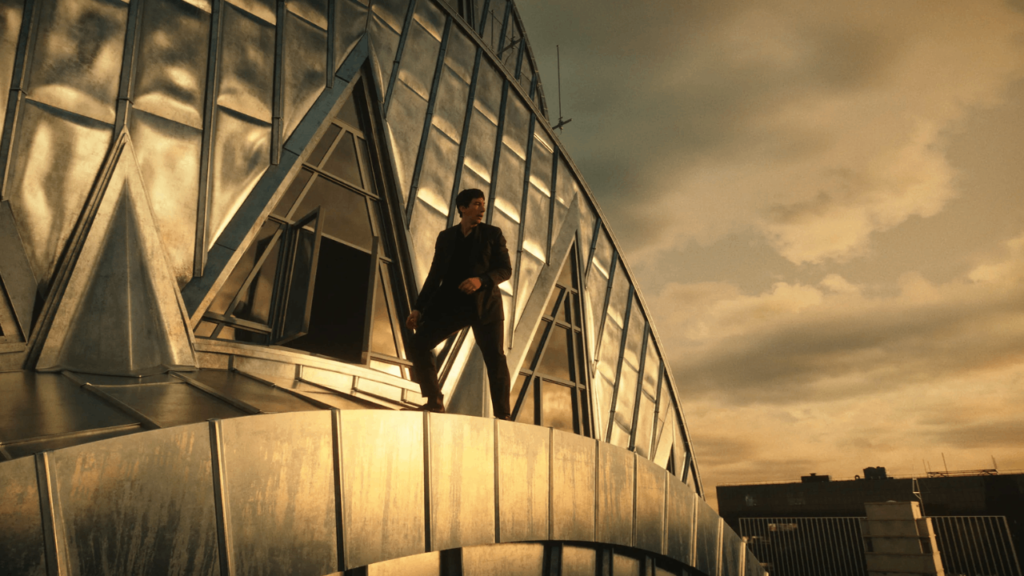
Starring Adam Driver, Aubrey Plaza and Giancarlo Esposito, Megalopolis imagines a futuristic New York, renamed New Rome, where an architect dreams of rebuilding society while the city’s mayor fights to preserve the existing order. The film opened in 2024 after decades of development, backed by more than $120 million of Coppola’s own money. Its return offers another opportunity to experience a deeply personal project that took an unconventional route from conception to screen.
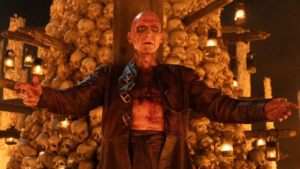
The returning “Live Element” sets these screenings apart. During a press conference scene, a person in the theatre addresses Cesar Catilina, the architect played by Driver. The character responds on screen, creating an exchange between the fictional world and the audience.
This unusual moment makes the cinema itself part of the performance. Rather than simply watching a debate about the future of New Rome, viewers briefly become participants in the scene.
The accompanying Q&A extends that interaction beyond the film. Audiences can submit questions by text before, during and after the screening, with Coppola answering selected questions alongside Roman Coppola. The format gives moviegoers an opportunity to engage directly with the filmmaker behind a project that has consistently followed its own rules.
Coppola’s plans for Megalopolis extend beyond this limited engagement. He has expressed a desire to bring the film back to theatres every New Year’s Day, giving audiences an annual opportunity to revisit and discuss its ideas about society and humanity’s future.
His approach to distribution is equally unconventional. Reports indicate that Coppola has sought to keep the film off domestic subscription-streaming services and US DVD releases, favouring the theatrical experience. However, Megalopolis has been available for digital rental and purchase. For Coppola, the big screen offers something a solitary viewing cannot quite replicate: a room full of people reacting to the same story before deciding what they make of it.
Making Megalopolis required a substantial financial commitment. Coppola financed the production with more than $120 million of his own money, selling a significant stake in his wine business to help realise the project.
Despite its star-studded cast and epic scale, the film was produced independently of the traditional studio-financing system. Its budget places it among the most expensive independent films ever made.
The decision recalls Apocalypse Now, Coppola’s 1979 war film, whose troubled production became closely associated with the risks of his filmmaking ambitions. With Megalopolis, he again chose to finance a personal vision rather than wait for a conventional studio-backed production to take shape.
Coppola began developing Megalopolis in 1983. An earlier attempt to move the project forward in 2001 was derailed after the September 11 attacks, when the screenplay’s depiction of a devastated New York City took on an uncomfortable resemblance to real events. The film remained unrealised for years before production finally began in 2022.
At its centre is Cesar Catilina’s plan to transform New Rome, a vision that puts him at odds with Mayor Franklyn Cicero, played by Esposito. Their conflict drives a story about power, progress and the difficulty of imagining a different future.
The October screenings give Megalopolis another opportunity to find its audience, this time with the filmmaker’s participation built into the experience. After spending decades bringing the story to life, Coppola wants viewers to do more than watch the film and leave. He wants them to keep talking about what it means.