The holiday box office corridor is once again shaping up to be one of the most competitive battlegrounds in modern cinema, and the upcoming big-screen adaptation of Murder, She Wrote is stepping right into the middle of it. Positioned alongside Sony’s animated adventure Buds and arriving just three days ahead of Nancy Meyers’ untitled romantic comedy starring Kieran Culkin, Michael Fassbender, Jude Law, and Penélope Cruz, the film is entering a release window that is as crowded as it is strategically layered.
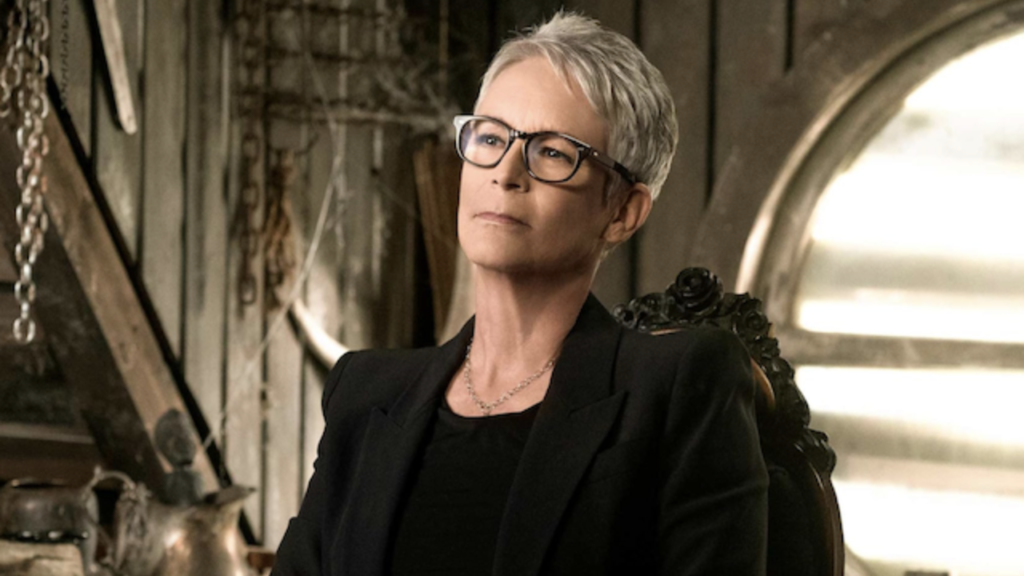
Central to this strategy is the casting of Oscar-winner Jamie Lee Curtis as Jessica Fletcher. Stepping into a role defined by Angela Lansbury for over a decade is a formidable task, but Curtis brings a specific kind of ‘legacy brand’ authority that mirrors Lansbury’s own transition from theater and film to the small screen in 1984. While Lansbury’s Fletcher was defined by a polite, sharp-eyed grandmotherly warmth—a ‘hep cat’ who was never outpaced by the times—Curtis is expected to lean into a more kinetic, contemporary curiosity. For Universal, this isn’t just a nostalgic recast; it is a calculated play for two distinct demographics. By utilizing an actress who recently successfully revived the Halloween franchise and captured younger audiences with Everything Everywhere All at Once, the studio is attempting to bridge the gap between original CBS devotees and a new generation of ‘cozy mystery’ enthusiasts who have fueled the recent resurgence of the genre.
But the real challenge lies not in its immediate neighbors, but in what precedes it. Just days earlier, two major franchise titles — Avengers: Secret Wars and The Lord of the Rings: The Hunt for Gollum — are set to dominate the box office landscape. These are not just films; they are cinematic events, expected to command the majority of premium screens, audience attention, and early holiday momentum. For any film arriving in their wake, the question is not simply about opening numbers, but about survival in a marketplace driven by scale.
In that context, Murder, She Wrote is not trying to compete on spectacle. Instead, it represents a classic example of counter-programming — a strategy that has long been a part of Hollywood’s release playbook but is becoming increasingly important in an era dominated by franchise filmmaking. While superhero epics and fantasy sagas draw massive crowds, there remains a significant segment of the audience seeking something different. A mystery-driven narrative, rooted in character and intrigue, offers that alternative.
The timing reflects a calculated bet. The Christmas corridor, while crowded, is also the most lucrative period for theatrical exhibition. Films released during this window are not entirely dependent on opening weekend performance; they benefit from extended playability, repeat viewings, and a steady influx of audiences throughout the holiday season. This is particularly advantageous for films that rely on word-of-mouth rather than pre-existing franchise hype.
This reliance on legacy rather than ‘spectacle’ is anchored in the property’s storied television history. Originally airing for 12 seasons on CBS, the series became a Sunday night staple, often dominating its time slot by appealing to the same reliable, multi-generational audience the film now seeks to recapture. Interestingly, the show’s original cancellation in 1996 was attributed not to a lack of interest, but to a controversial timeslot shift that pitted it against younger-skewing hits—a historical parallel to the current theatrical challenge of sharing space with Avengers: Secret Wars. By returning to a major holiday window, the film is essentially attempting to reclaim the ‘appointment viewing’ status it held for over a decade, testing whether a brand built on 264 episodes of television can still command a premium ticket price in a fragmented digital age.
However, the challenges are undeniable. Premium formats such as IMAX and other large-screen experiences will likely remain occupied by the earlier blockbusters, limiting Murder, She Wrote’s access to high-value screens during its initial days. Visibility becomes a key concern, especially when competing against films backed by massive marketing campaigns and global fanbases.
Read More: