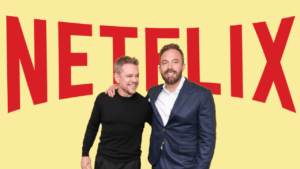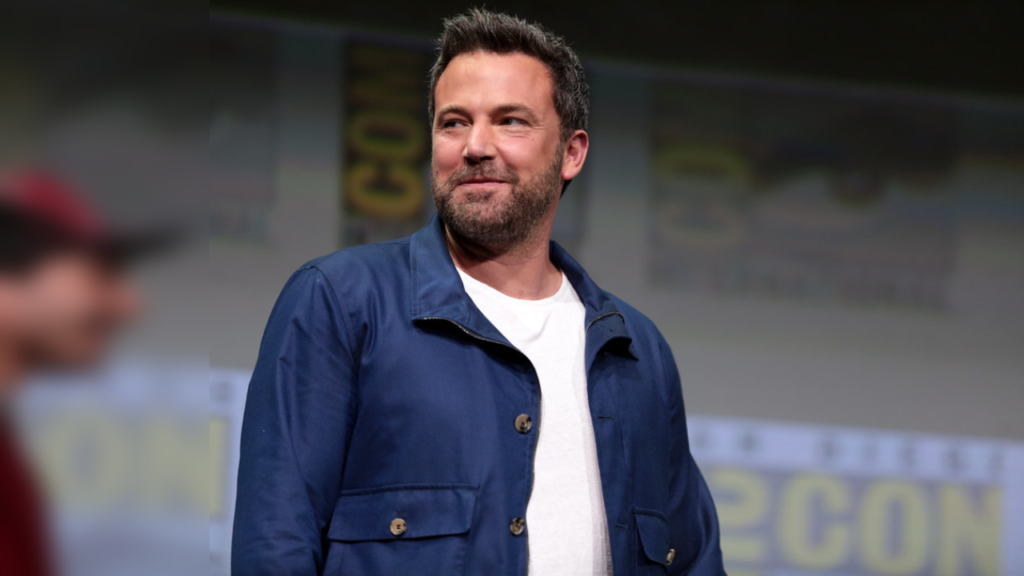
Netflix is expanding its technological ambitions in filmmaking with the acquisition of an artificial intelligence startup founded by actor and filmmaker Ben Affleck. The streaming giant has acquired InterPositive, a company focused on developing AI-driven tools designed specifically for film production, marking one of the company’s most notable investments in production technology to date.
Financial terms of the acquisition were not disclosed. However, the deal brings InterPositive’s technology and its small team of engineers and researchers directly into Netflix’s production ecosystem. As part of the agreement, Affleck will join Netflix in an advisory capacity, helping guide the streamer’s approach to integrating AI tools into filmmaking workflows while maintaining creative control for directors and producers.
The move reflects Netflix’s growing interest in technology that can streamline production while supporting storytellers rather than replacing them. According to people familiar with the deal, the startup’s tools were designed to assist filmmakers during post-production and visual effects processes, enabling teams to solve common challenges such as lighting adjustments, missing coverage, or minor visual corrections without requiring expensive reshoots.
Affleck founded InterPositive in 2022 after observing what he believed was a gap between the capabilities of emerging AI video tools and the practical needs of professional film productions. While generative AI systems have advanced rapidly in recent years, many filmmakers have expressed concerns that these tools are not built with the technical constraints and creative demands of large-scale productions in mind.
InterPositive’s approach sought to address those concerns by building AI models trained on controlled production data rather than internet-scraped video libraries. By training the system on film footage captured under professional lighting and camera conditions, the company aimed to create tools that could integrate more naturally into real production environments.
The technology focuses primarily on supporting post-production tasks. For example, the system can analyze dailies—raw footage captured during filming—and use AI to assist editors and visual-effects teams with tasks such as adjusting lighting continuity between shots, repairing small visual inconsistencies, or simulating additional camera coverage when certain angles are missing. Developers say the tools are designed to accelerate technical workflows while leaving creative decisions firmly in the hands of filmmakers.
As part of the acquisition, InterPositive’s 16-person team will join Netflix and continue developing the platform within the streamer’s production infrastructure. Netflix has not detailed how quickly the technology will be deployed across its film and television slate, but executives say it will initially be tested on selected productions before being rolled out more broadly.
Affleck’s involvement as an adviser also underscores Netflix’s effort to bridge the gap between Silicon Valley-style innovation and traditional filmmaking culture. The actor has long been vocal about protecting creative autonomy within the industry, and people close to the project say he was particularly interested in ensuring that AI tools would function as collaborative assistants rather than automated replacements for artists.
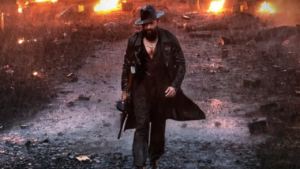
The partnership also strengthens Affleck’s existing relationship with Netflix. He and longtime collaborator Matt Damon co-founded the production company Artists Equity, which has worked with the streamer on several projects. Earlier this year, Netflix released “The Rip,” an action thriller produced through Artists Equity that spent multiple weeks near the top of the platform’s global charts.
Netflix’s acquisition of InterPositive arrives at a moment when artificial intelligence is becoming one of the most debated topics in Hollywood. During recent labor negotiations between studios and creative unions, AI was a central concern, with writers, actors and filmmakers pushing for stronger safeguards around how the technology could be used in the creative process.
Against that backdrop, Netflix executives have emphasized that the company’s strategy focuses on building tools that support existing production teams. Rather than generating entire films through AI, the goal is to develop systems that reduce the time and cost associated with technical tasks while preserving the artistic vision of directors and cinematographers.
The acquisition also comes shortly after Netflix made headlines for stepping away from a potential acquisition of Warner Bros. Discovery assets following a competing bid from Paramount Skydance. With the company choosing not to pursue a major studio purchase, analysts say investments like the InterPositive deal highlight Netflix’s alternative strategy: strengthening its technological infrastructure rather than expanding through large media mergers.
For Netflix, which produces hundreds of films and series every year, even incremental improvements in production efficiency could translate into significant long-term savings. The company already operates one of the largest content pipelines in the industry, and AI-assisted tools could help speed up editing, visual effects and finishing stages across that vast slate.
At the same time, the involvement of a high-profile filmmaker like Affleck may help reassure creative communities that the technology will be developed with artistic considerations in mind. His advisory role is expected to include consultations with directors, producers and post-production teams to ensure that the tools remain aligned with professional filmmaking practices.
The broader industry is watching closely. As streaming platforms and studios search for ways to manage rising production costs while maintaining the scale audiences expect, AI technologies like those developed by InterPositive could play an increasingly prominent role in the filmmaking process.
For now, Netflix’s acquisition signals that the company believes the future of filmmaking will involve a careful balance between technological innovation and traditional creative craftsmanship—a balance it hopes to achieve with guidance from one of Hollywood’s most recognizable filmmakers.
Read More: