O Romeo marks the fourth collaboration between Vishal Bhardwaj and Shahid Kapoor, a creative partnership that previously delivered Kaminey, Haider and Rangoon. Inspired by a chapter from Mafia Queens of Mumbai, the A-certified gangster romance released in theatres on 13 February 2026 with towering expectations and a formidable runtime of 178 minutes. Now that major publications have weighed in, O Romeo reviews reveal a sharply split critical response — with near-unanimous praise for Shahid Kapoor’s performance but mixed opinions on Vishal Bhardwaj’s sprawling gangster vision.
While early audience reactions highlighted Shahid Kapoor’s commanding screen presence as the film’s biggest strength, the full wave of O Romeo reviews paints a more layered picture.
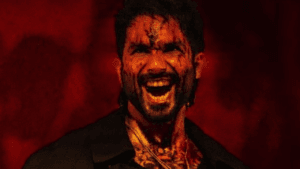
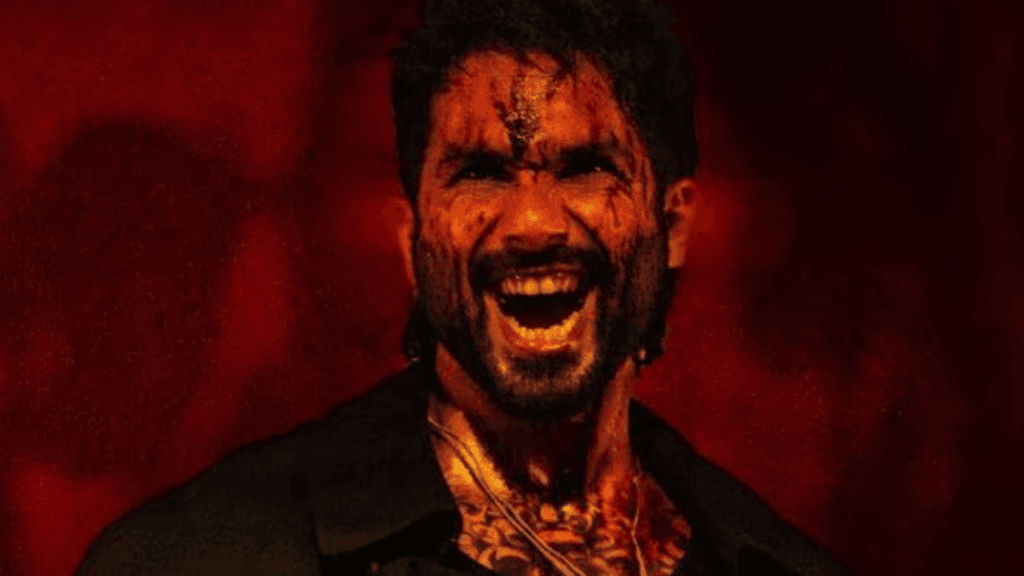
Across reviews from NDTV, Hindustan Times, The Hindu, Times of India, Scroll.in and The Hollywood Reporter India, Shahid Kapoor’s performance stands as the most consistent point of praise. NDTV described the film as “vivid, visceral, and visually varied,” awarding it a strong rating and emphasizing Kapoor’s intense central turn. The Hindu observed that “Shahid Kapoor soars,” positioning his portrayal as the emotional engine that keeps the film afloat even when narrative momentum dips. Hindustan Times acknowledged that Kapoor dominates what it called Bhardwaj’s “massiest film yet,” suggesting his screen presence anchors the film’s scale and ambition.
Times of India leaned into the film’s fusion of romance and revenge, highlighting Kapoor’s physical transformation and simmering volatility as key elements of its impact. Even reviews that were more critical of the overall execution conceded that Kapoor injects charisma and urgency into a story that occasionally drifts. The consensus suggests he balances brutality and vulnerability effectively, crafting a gangster protagonist who feels both menacing and tragically human.
However, when attention turns to Vishal Bhardwaj’s direction and the screenplay’s structure, the tone shifts from admiration to debate. Rahul Desai in The Hollywood Reporter India described the film as “a curiously ineffective Vishal Bhardwaj special,” arguing that despite familiar thematic ambition, it fails to leave a lasting dent in the gangster genre landscape. Scroll.in was more pointed, calling it “a same-old yarn about swaggering gangsters and bloody revenge,” suggesting that the film revisits underworld tropes without significantly reinventing them.
Hindustan Times echoed some of these reservations, noting that while the film aims for operatic scale and emotional intensity, it lacks the sharp sting that distinguished Haider. The review implied that Bhardwaj’s stylistic flourishes occasionally overpower narrative coherence. The Hindu similarly pointed to structural unevenness, even while praising individual scenes for their dramatic charge.
NDTV, by contrast, adopted a more appreciative tone toward Bhardwaj’s craft, emphasizing the film’s textured visual language and brooding atmosphere. Across the board, critics acknowledged that the cinematography and music reinforce the film’s mood effectively. Even detractors conceded that Bhardwaj retains command over tone, staging and sonic layering, reaffirming his reputation as a filmmaker who blends lyricism with violence.
Pacing emerged as one of the most debated aspects of O Romeo. At nearly three hours, the film has drawn repeated comments regarding its length. Several reviews described the first half as slow and deliberate, heavy on mood-building and character exposition. While some critics appreciated the slow-burn approach, arguing that it deepens emotional stakes, others felt that tighter editing could have amplified the film’s impact. Times of India and Hindustan Times both noted that the narrative gathers stronger momentum post-interval, with the second half delivering heightened confrontations and emotional escalation.
Scroll.in’s critique underscored this imbalance, suggesting the narrative rhythm feels uneven, while The Hollywood Reporter India implied that the runtime magnifies the screenplay’s weaknesses rather than its strengths. In effect, the film’s length becomes central to the critical conversation, shaping both its ambition and its perceived excess.
Triptii Dimri’s performance received steady appreciation, though not with the same unanimity as Shahid Kapoor’s. NDTV described her as “so watchable,” praising the emotional depth she brings to her role. Other publications acknowledged her ability to combine fragility and defiance, positioning her character as an emotional counterweight to Kapoor’s volatility. However, some critics suggested that her arc could have been explored more deeply, arguing that the narrative remains largely centered on the male protagonist’s internal turmoil.
Supporting performances, including those by Nana Patekar, were noted for adding gravitas, though few reviews singled them out as transformative. The ensemble largely functions within Bhardwaj’s broader tonal design, which critics described as operatic, bloody and emotionally heightened.
Thematically, O Romeo has been characterized as a tragic love story unfolding within a violent underworld ecosystem. For some critics, this heightened emotional register works in the film’s favor, creating a brooding romantic tragedy layered with moral ambiguity. For others, the excess tips into familiarity, reinforcing genre clichés rather than transcending them. The A certification and graphic violence were also referenced in reviews, framing the film as unapologetically adult and uncompromising in its portrayal of brutality.
Synthesizing the critical landscape, O Romeo settles into mixed territory. Praise for Shahid Kapoor’s performance is emphatic and widespread. Appreciation for Bhardwaj’s visual and musical craft is steady, even among skeptics. But concerns about pacing, narrative originality and structural discipline prevent the film from achieving unanimous acclaim. For some critics, it is a stylish but uneven return to gangster storytelling; for others, it is a visually bold yet narratively familiar exercise elevated primarily by its leading man.
Commercially, the film opened to a solid start at the box office, collecting approximately ₹8.25 crore (India net) on its first day following its release on 13 February 2026. While not record-shattering, the opening indicates strong curiosity around the Shahid–Bhardwaj reunion and the film’s dark romantic positioning.
O Romeo runs for 178 minutes and carries an A certificate from the Central Board of Film Certification. Directed by Vishal Bhardwaj and inspired by Hussain Zaidi’s Mafia Queens of Mumbai, the film stars Shahid Kapoor and Triptii Dimri in the lead roles, with supporting performances from Nana Patekar, Avinash Tiwary, Vikrant Massey and Tamannaah Bhatia. Produced by Nadiadwala Grandson Entertainment, the film features music composed by Vishal Bhardwaj with lyrics by Gulzar.
As its theatrical run unfolds, O Romeo stands as a performance-driven gangster romance that has sparked strong reactions — praised for its intensity, questioned for its pacing, and anchored firmly by Shahid Kapoor’s ferocious central turn.
Read More Review Roundups on POF