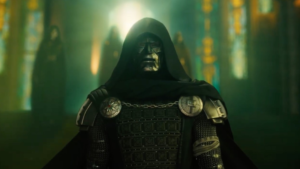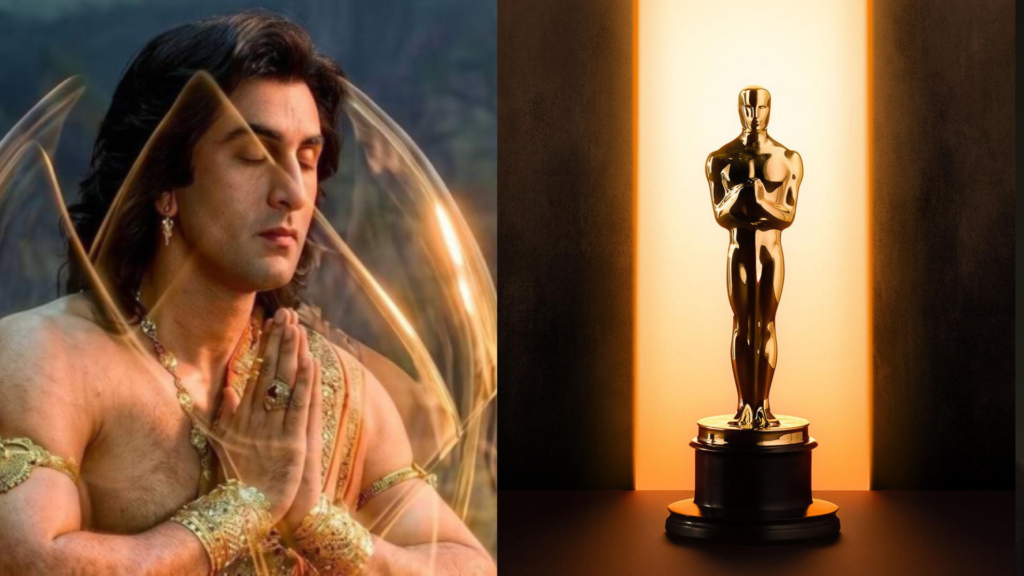
The Visual Effects race for the 99th Academy Awards (Oscars 2027)has narrowed to 20 films, bringing together some of the year’s biggest theatrical productions, ambitious science-fiction projects and large-scale fantasy adventures. Christopher Nolan’s The Odyssey, Denis Villeneuve’s Dune: Part Three and Nitesh Tiwari’s Ramayana: Rise of a Legend have made the selection alongside Avengers: Doomsday, Spider-Man: Brand New Day and Project Hail Mary. Disney leads the reported selection with four films, followed by Sony Pictures with three. The contenders also present a potential opportunity for Villeneuve’s Dune trilogy, another major awards campaign for Nolan and a notable appearance for Indian cinema in a category traditionally dominated by Hollywood productions.
According to the selection reported by Variety on November 25, Disney’s four titles are Avengers: Doomsday, Star Wars: The Mandalorian and Grogu, Whalefall and the live-action Moana. Sony Pictures has three entries: Jumanji: Open World, Spider-Man: Brand New Day and Ramayana: Rise of a Legend.
The remaining contenders are Backrooms, Digger, Disclosure Day, Dune: Part Three, Godzilla Minus Zero, Heart of the Beast, The Hunger Games: Sunrise on the Reaping, The Mosquito Bowl, The Odyssey, Project Hail Mary, The Sheep Detectives, Supergirl and Wildwood.
The selection spans several studios and filmmaking styles, with Universal Pictures, Amazon MGM Studios, Warner Bros., Paramount, A24, Netflix, Lionsgate and Laika also represented. From the fantastical worlds of Moana and Ramayana to the large-scale environments of The Odyssey and Dune: Part Three, the contenders reflect the different ways visual effects contribute to contemporary theatrical storytelling.
One of the biggest talking points in this year’s selection is Denis Villeneuve’s Dune: Part Three. The first two instalments, Dune and Dune: Part Two, both won the Academy Award for Visual Effects. A victory for the third film would give the trilogy three wins from three appearances in the category, an achievement that would place it among the most successful franchises in the history of the award.
It would also invite comparisons with James Cameron’s Avatar franchise, which completed its own three-for-three run when Avatar: Fire and Ash won the Visual Effects Oscar at the 98th Academy Awards earlier this year. With its theatrical release scheduled for December 18, 2026, the third Dune film enters the awards conversation with the achievements of its predecessors behind it.
The Odyssey brings Christopher Nolan back into the Visual Effects awards conversation. Three of his previous films, Inception, Interstellar and Tenet, have won the Academy Award in the category. His previous feature, Oppenheimer, was notably absent from the Visual Effects shortlist for the 96th Academy Awards, despite winning seven Oscars overall.
The new film also carries a technical distinction. It is described as the first feature film shot entirely using IMAX film cameras, including large-format 70mm technology. Based on Homer’s ancient Greek epic, the production combines an established literary story with a filmmaking approach that places considerable emphasis on the theatrical experience.
For Indian cinema, Ramayana: Rise of a Legend is among the most closely watched entries. Directed by Nitesh Tiwari and produced by Namit Malhotra, the film follows S.S. Rajamouli’s RRR, which reached the Visual Effects shortlist of 20 films for the 95th Academy Awards. According to the reported selection, Ramayana is only the second Indian film to reach this stage of the category.
The production is backed by DNEG, the eight-time Oscar-winning visual effects company. Its musical collaboration is another notable aspect, bringing Hans Zimmer and A.R. Rahman together for the score. Zimmer is also composing the music for Dune: Part Three, connecting two of the most closely watched productions in this year’s selection.
The next round of preliminary voting will take place from December 7 to 11, with the official 10-film shortlist scheduled to be announced on December 15. The Visual Effects bake-off presentations are scheduled for January 8–10, 2027, followed by nominations voting from January 11 to 15. The final Oscar nominations will be announced on January 21.
The 99th Academy Awards will take place on March 14, 2027. Only five films will eventually receive nominations in the Visual Effects category. Until then, the competition will become increasingly selective, bringing established Oscar winners, ambitious new productions and an Indian epic into contention for recognition among the year’s leading visual effects achievements.