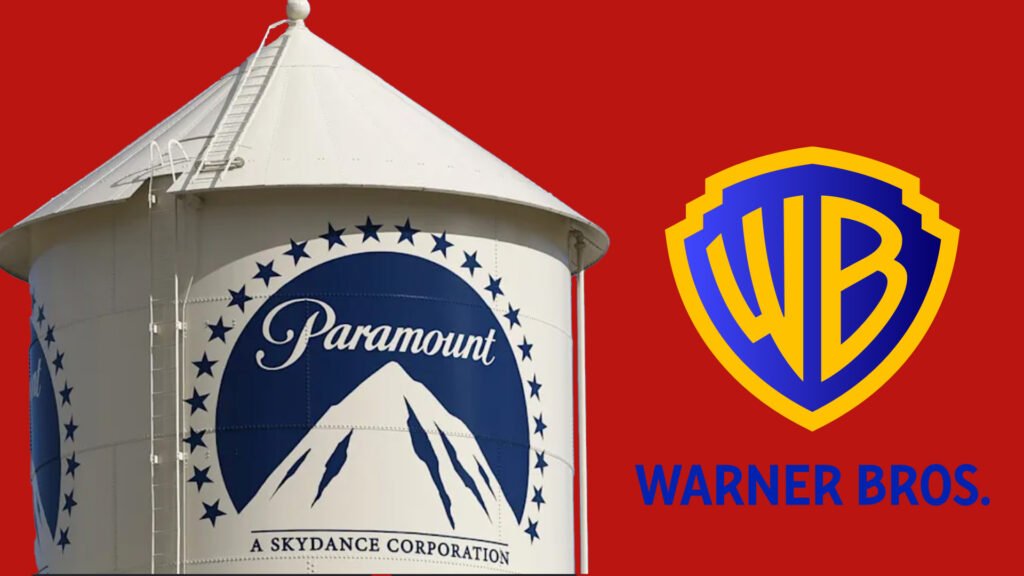
One of Hollywood’s biggest proposed mergers is set for a lengthy legal battle after Paramount Skydance agreed to postpone its planned $111 billion acquisition of Warner Bros. Discovery, ensuring the blockbuster deal will not close before a federal antitrust trial.
The agreement, reached with a coalition of 12 U.S. state attorneys general, dramatically reshapes the timeline for a transaction that had been expected to redefine the global entertainment landscape. Instead of pressing ahead while litigation unfolds, Paramount has accepted that the merger will remain on hold until a court decides the case or June 1, 2027, whichever comes first.
The delay follows a lawsuit led by California Attorney General Rob Bonta, whose office argues that combining two of Hollywood’s largest media companies would reduce competition across theatrical distribution, cable television and entertainment markets. State regulators believe the merger could leave fewer major buyers and distributors in the industry, ultimately affecting consumers as well as creative workers.
A federal judge had already issued a temporary restraining order preventing the companies from completing the transaction. Rather than continue fighting for an immediate closing through preliminary court proceedings, Paramount has now agreed to wait for the broader antitrust case to be heard—a move that gives regulators significantly more time to challenge the merger.
For the studios, the agreement introduces a new period of uncertainty.
While Paramount has repeatedly defended the transaction as beneficial for audiences and the wider industry, the company must now prepare for a legal battle that could stretch well into next year. The delay also places one of the entertainment industry’s most closely watched consolidation plans under prolonged scrutiny at a time when traditional media companies are facing increasing pressure from streaming competition and changing consumer habits.
Opponents of the merger have welcomed the development as an important early victory.
California Attorney General Rob Bonta said the agreement protects moviegoers, theatre owners and the thousands of people employed across the entertainment business while the court examines whether the transaction complies with antitrust law. Advocacy groups campaigning against the merger echoed that view, describing the postponement as proof that the legal challenge has gained momentum, even as they acknowledged the case is far from decided.
Hollywood labour organisations have also continued to voice concerns about the proposed deal. Representatives from the Writers Guild of America West argue that further consolidation among major studios could eventually reduce the number of films and television series being produced while placing additional pressure on writers’ compensation and employment opportunities. Paramount has consistently disputed those claims, maintaining that the merger would strengthen—not weaken—the industry’s long-term prospects.
Beyond the courtroom, the delay is expected to have practical consequences for both companies. Investors reacted cautiously following news of the agreement, with shares of Paramount and Warner Bros. Discovery slipping in after-hours trading as markets digested the prospect of an extended legal process.
The uncertainty also raises fresh questions for employees across both organisations, particularly at Warner Bros. Discovery, which has undergone several ownership changes over the past decade. Strategic planning, investment decisions and long-term integration efforts are now likely to remain in limbo until the litigation reaches its conclusion.
Despite agreeing to postpone the closing, Paramount has not backed away from the transaction itself. The company continues to argue that the combined business would be better positioned to compete with global streaming giants and evolving media rivals, and is expected to present that case when the antitrust trial begins.
With no trial date yet set, the courtroom battle now becomes the next defining chapter in what has already become one of the most consequential media deals of the decade. The outcome will determine not only the future of Paramount and Warner Bros. Discovery, but could also influence how aggressively regulators challenge major studio mergers in the years ahead.
Read More:
- Spotlight: Making Injustice Heard in a World of Untouchable Power
- Harry Potter and the Question Every Reboot Must Answer
- Good Films Are Often Bad Experiences
- Top 10 Sequels That Elevated Cinema: When Hollywood Got Better the Second Time
- How much does responsibility seep into filmmaking? Or does it at all?