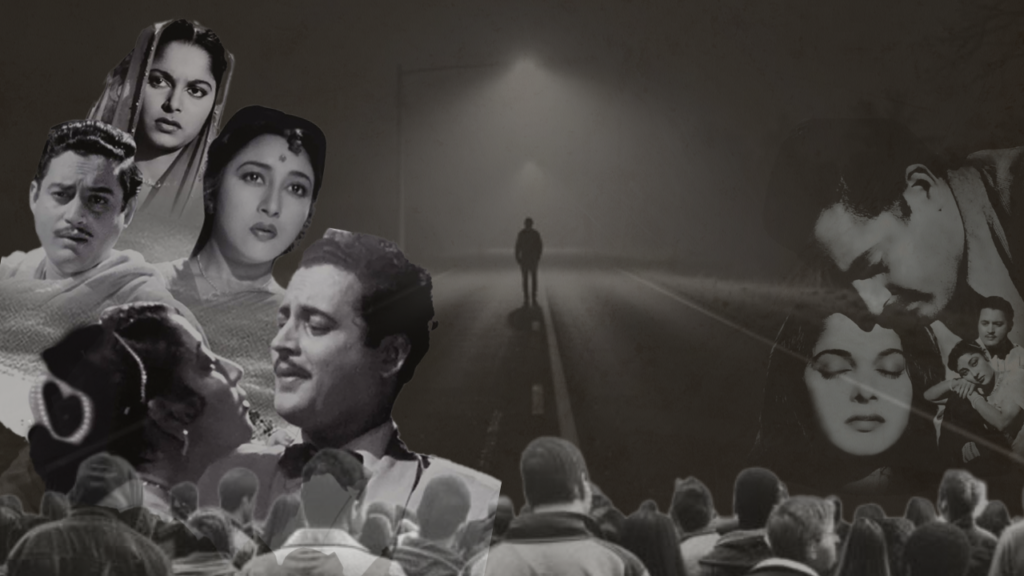
A few days ago, we were sitting in the office talking about the film Pyaasa. That conversation stayed with me for days, and by Sunday, I found myself watching Pyaasa once again. There is something deeply unsettling about watching Pyaasa today. Not because it feels old. But because it doesn’t.
A film made in 1957 somehow understands the emotional machinery of the internet age better than many modern films do. Long before hashtags, viral trends, tribute posts, and public outrage cycles existed, Pyaasa had already understood a painful truth about society.People often do not value artists when they are alive. They value the story of them after they are broken, lost, or gone.
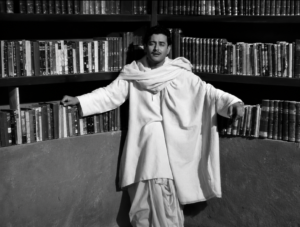 Vijay is not simply an unsuccessful poet in the film. He is invisible. His words have no market value because he himself has no social value. Publishers reject him. People dismiss him. Even those close to him slowly drift away from his emotional world. Society has no patience for a sensitive man who cannot “fit” into its practical structure. And that is what makes the film feel so modern.
Today, we live in a world where visibility often matters more than humanity. An artist can spend years creating in silence and still remain ignored. But one tragedy, one controversy, one emotional moment, and suddenly the world begins paying attention. Their words are reposted. Their interviews are rediscovered. Their pain becomes aesthetic. Their existence becomes content. That is exactly what happens in Pyaasa.
The world rejects Vijay when he is alive. But the moment people believe he is dead, he becomes valuable. His poetry suddenly gains emotional weight. Publishers see opportunity. Society sees romance in his suffering. The same people who ignored him begin celebrating him. Not because they finally understand him. But because tragedy has made him marketable.
This is what makes the film emotionally devastating even today. Because the modern internet often behaves in the same way. We constantly witness public grief turning into performance. Social media timelines fill with emotional tributes for artists, actors, writers, and musicians whom society barely supported when they were alive. People suddenly speak the language of love after loss has already occurred. Grief becomes collective, visible, and sometimes strangely theatrical.
Pyaasa understood this decades ago. The film is not attacking emotion itself. Human beings naturally mourn. But the film quietly questions the sincerity of a society that only recognizes beauty after destruction. Why must suffering become proof of artistic value? Why do audiences romanticize broken artists more than living ones? Why does pain make creativity easier to consume?
These questions feel painfully relevant in the social media era. Today, fame itself has become strange. People are often transformed into symbols before they are understood as human beings. The internet creates emotional mythology at incredible speed. A person stops being a person and becomes an image, a quote, a clip, a trend, a memory people perform publicly.
Vijay experiences this transformation inside Pyaasa long before the digital age existed. Perhaps the most powerful part of the film is that Vijay ultimately rejects this hollow recognition. When society finally embraces him, he sees the emptiness behind its applause. The acceptance comes too late, and for the wrong reasons. The world does not truly love him; it loves the poetic tragedy built around him.
That realization gives the ending of Pyaasa extraordinary emotional power. In today’s culture of constant visibility, public validation, and emotional performance, Vijay’s final rejection feels almost radical. He walks away from a society that suddenly wants to consume him only after turning him into a symbol.
And maybe that is why the film still hurts. Because beneath all the poetry and music, Pyaasa is really about a loneliness that still exists today, the loneliness of being unseen while alive, and finally understood only after becoming a story.
Read More:
- The Evolution of Indian Cinema
- Harry Potter and the Question Every Reboot Must Answer
- Good Films Are Often Bad Experiences
- Top 10 Sequels That Elevated Cinema: When Hollywood Got Better the Second Time
- How much does responsibility seep into filmmaking? Or does it at all?
- Top 10 Visually Stunning Films Ever Made, Ranked by PoF