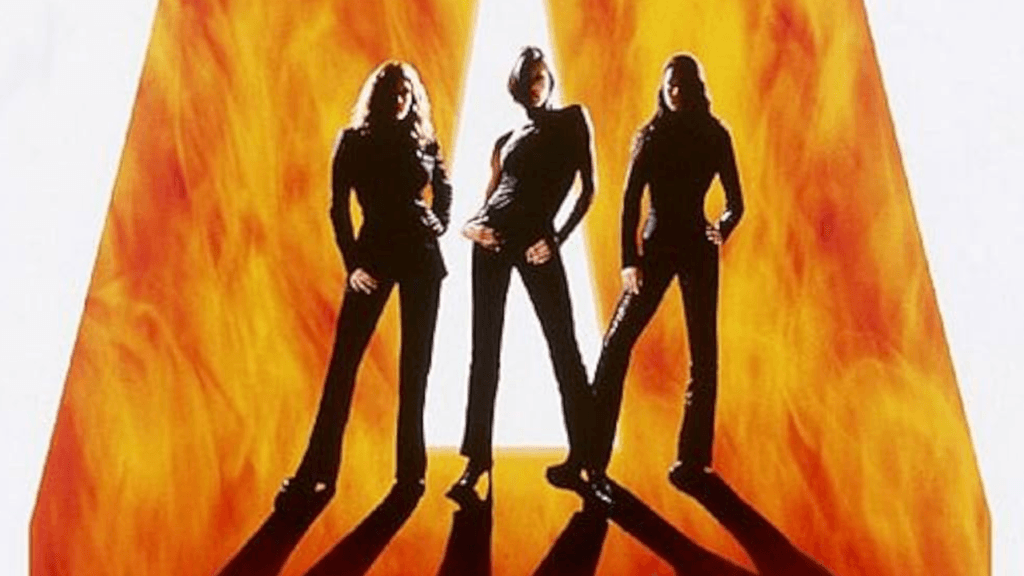
Sony Pictures is in early development on a new feature film based on Charlie’s Angels, the iconic female-led crime drama that has successfully leapt from television to the big screen more than once. The studio has tapped Pete Chiarelli to pen the screenplay, signaling the first concrete step in what could become the franchise’s next reinvention.
Chiarelli is best known for scripting the romantic blockbuster Crazy Rich Asians, as well as contributing to Now You See Me 2 and The Proposal. Most recently, he wrote Sony Pictures Animation’s sports comedy Goat, which opened in theaters this weekend. His involvement suggests that the studio may be aiming for a tone that balances slick genre mechanics with character-driven humor and ensemble dynamics.
The project is still in early development, with no director, cast or release date attached. However, the decision to revive Charlie’s Angels again underscores Sony’s continued interest in mining recognizable IP with cross-generational appeal. The franchise has a built-in global brand identity, from the instantly recognizable “Good morning, Charlie” greeting to its blend of action, glamour and covert operations.
The original television series, created by Ivan Goff and Ben Roberts, debuted in 1976 and ran for five seasons, turning its leads into pop culture fixtures. It was later adapted into a successful early-2000s film series starring Cameron Diaz, Drew Barrymore and Lucy Liu, beginning with Charlie’s Angels and followed by its 2003 sequel. Those films leaned heavily into high-energy action and stylized spectacle, grossing hundreds of millions worldwide and helping redefine the brand for a new era.
A 2019 reboot directed by Elizabeth Banks attempted to reposition the Angels within a more contemporary, globally networked Townsend Agency. While that film struggled at the box office, it reinforced the elasticity of the property: Charlie’s Angels can be retooled to reflect the cultural moment, whether through heightened camp, glossy blockbuster action or grounded espionage.
Sony’s renewed development effort comes at a time when studios are reassessing legacy brands with fresh creative approaches rather than simple nostalgia plays. The Angels concept — three highly skilled women working for a mysterious benefactor — remains structurally flexible. It can accommodate tonal shifts from comedic caper to serious thriller, and it offers space for diverse casting and international storytelling.
Chiarelli’s track record suggests a potential focus on character interplay and accessible storytelling. “Crazy Rich Asians” demonstrated his ability to anchor spectacle in emotional stakes, while “Now You See Me 2” showed comfort within franchise structures. If Sony chooses to steer the new Angels toward a more ensemble-driven, character-forward dynamic, Chiarelli’s sensibility could help differentiate this iteration from previous high-gloss versions.
From a strategic standpoint, the move also aligns with Sony’s broader franchise-building approach. The studio has continued to expand recognizable brands while exploring new tonal identities within them. With action properties increasingly competing for distinctiveness in a crowded marketplace, a recalibrated Charlie’s Angels could offer a blend of espionage, fashion-forward aesthetics and sharp dialogue that feels distinct from the more male-dominated spy universes currently in play.
There is also the streaming-era factor. While this project is being developed as a theatrical feature, the Angels brand has potential across formats, whether as a launchpad for spin-offs or an expanded universe. The original concept — a secretive agency with operatives deployed across cities — naturally lends itself to multi-story arcs and global settings.
For now, the project remains in its earliest phase. The key creative decisions — tone, casting, director — will determine whether this new Charlie’s Angels aims for bold reinvention or affectionate modernization. What is clear is that Sony believes there is still value in the brand’s core promise: stylish crime-fighting led by women who are as sharp as they are capable.
Nearly five decades after the first Angels took their assignments over a speakerphone, the line may soon echo again in multiplexes. The only question is what kind of mission awaits this next generation.
Read More: