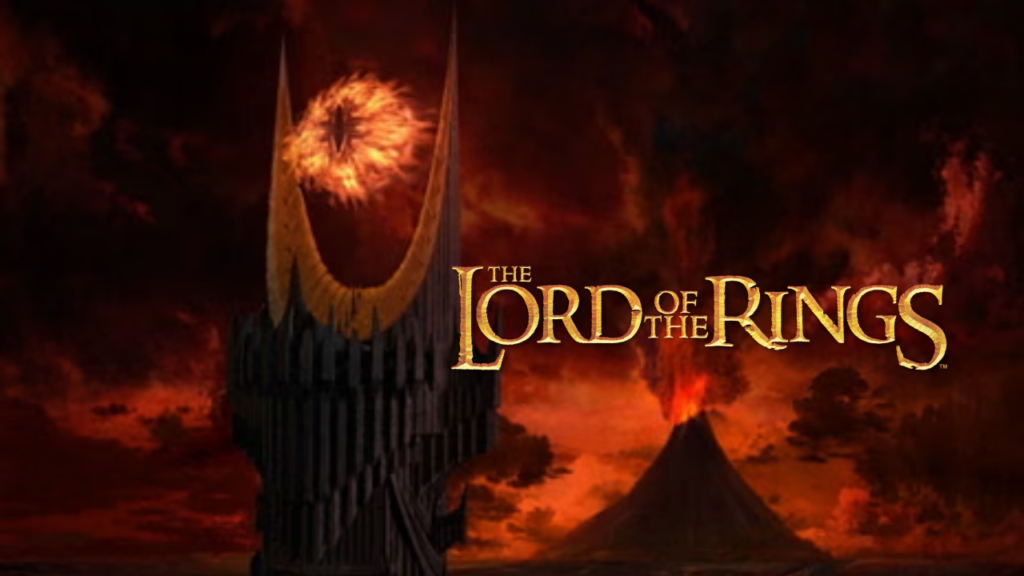
In a move few would have predicted, a new chapter in Middle-earth is taking shape with an unexpected creative voice at its center. Stephen Colbert is developing a brand-new Lord of the Rings film alongside his son, with the announcement coming directly from Warner Bros. through its official social media platforms. At first glance, it feels like an unusual pairing — a late-night host stepping into one of cinema’s most revered fantasy worlds — but beneath that surprise lies a project rooted in something far more meaningful: genuine fandom.
This isn’t an isolated development. Warner Bros. has been steadily rebuilding its Lord of the Rings slate, signaling a renewed commitment to J.R.R. Tolkien’s universe. With projects like The Hunt for Gollum already in motion, the studio appears to be shifting from revisiting familiar territory to expanding the world itself. The Colbert-led film fits squarely into that strategy, suggesting a future where Middle-earth is explored through multiple narratives rather than a single overarching trilogy.
In honor of Tolkien Reading Day and the destruction of the One Ring, we bring you a special announcement. pic.twitter.com/ufh9RLBIxO
— Warner Bros. (@warnerbros) March 25, 2026
What makes this project particularly intriguing is the perspective behind it. Stephen Colbert is not entering this world as a conventional filmmaker or studio hire. He is, first and foremost, a deeply invested Tolkien enthusiast. Over the years, his knowledge of the lore — from languages to lesser-known chapters — has been well documented. That passion now transitions into authorship, transforming him from a commentator on Middle-earth into one of its storytellers.
The involvement of his son adds another dimension to the project. It introduces a personal, almost generational layer to the storytelling process — a collaboration that feels less like a corporate assignment and more like a shared creative endeavor. In an era where franchise filmmaking is often driven by scale and spectacle, this element of intimacy stands out.
Narratively, the film is expected to draw from parts of The Fellowship of the Ring that were not explored in previous adaptations. Sequences such as the Barrow-downs — long considered some of the more atmospheric and mysterious passages in Tolkien’s writing — may finally find their way onto the screen. This approach signals a clear departure from the structure of earlier films, which focused primarily on the central quest. Instead, it opens the door to stories that exist on the edges of that journey, expanding the texture of Middle-earth rather than simply extending its timeline.
There is also a sense of continuity in the creative framework. Philippa Boyens, a key figure in the original Lord of the Rings trilogy, is involved in development, providing a link to the storytelling DNA that defined the earlier films. While the project introduces new voices, it remains connected to the legacy that shaped its cinematic identity.
This balance between legacy and reinvention is at the heart of Warner Bros.’ current approach to the franchise. The original trilogy established Middle-earth as one of the most immersive cinematic worlds ever created. The challenge now is not to replicate that achievement, but to evolve it — to explore new corners of the world while maintaining the tone and depth that audiences expect.
Colbert’s involvement reflects that shift. It represents a move toward storytelling that is not just informed by the source material, but deeply engaged with it. His understanding of Tolkien’s work suggests a film that could lean into atmosphere, mythology, and nuance — elements that sometimes take a backseat in large-scale adaptations.
At the same time, the project carries its share of challenges. The Lord of the Rings is not just a franchise; it is a cultural touchstone with a fiercely dedicated global audience. Any new addition to its canon is met with both excitement and scrutiny. A film shaped by a fan-turned-creator raises interesting questions about expectation — will it feel more authentic, or will it be held to an even higher standard?
What cannot be overlooked, however, is the opportunity this approach presents. By stepping away from the well-trodden path of the central narrative, the film has the potential to bring a different rhythm to Middle-earth storytelling — one that prioritizes exploration over escalation, detail over scale.
As Warner Bros. continues to build its roadmap for the franchise, this project stands out not just for its premise, but for its perspective. It suggests a future where Middle-earth is not confined to a single creative voice, but shaped by multiple interpretations — each adding a new layer to its already rich mythology.
Read More: