The 2026 Sundance Film Festival wrapped its awards ceremony in Park City, Utah, with a slate of winners that underscored the festival’s enduring role as a launchpad for politically charged, emotionally intimate independent cinema. From family drama to environmental documentaries and globally focused narratives, this year’s prizes reflected a strong alignment between jury recognition and audience response—often a potent mix for films poised to travel beyond the mountains of Utah.
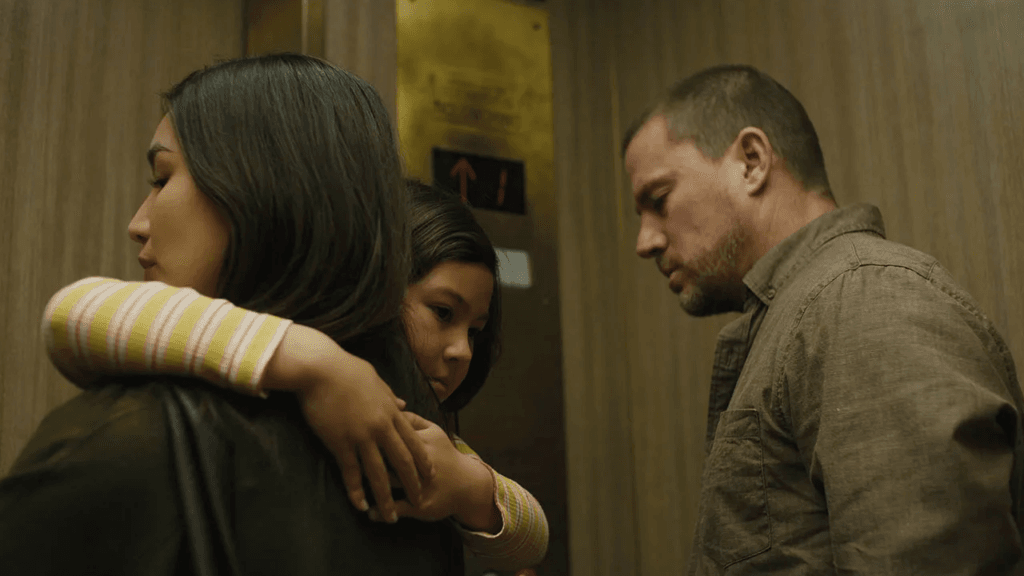
Leading the pack was Josephine, a family drama that emerged as the undisputed breakout of Sundance 2026. Directed by Beth de Araújo, the film won the Grand Jury Prize for U.S. Dramatic Competition as well as the Audience Award for U.S. Narrative, a rare double that signals both critical endorsement and broad appeal. When the film premiered at the festival, it earned raves for its performances by Channing Tatum, Gemma Chan, and newcomer Mason Reeves. Drawing on de Araújo’s own childhood experiences, Josephine tells the story of a young girl who witnesses a crime, handling its subject matter with restraint and empathy. Accepting the audience prize, a visibly emotional de Araújo thanked festivalgoers for their support, calling cinema “my church” and acknowledging the personal stakes behind the film.
Documentaries once again proved to be a major force at Sundance. The U.S. Documentary Competition top honor went to Nuisance Bear, a film examining the impact of tourism and human activity on polar bears in Churchill, Manitoba. In the World Cinema Documentary Competition, To Hold a Mountain took home the grand jury prize for its powerful account of a mother and daughter fighting to prevent their ancestral mountain from being converted into a NATO military training ground. Audience awards further highlighted the documentary field’s range, with American Pachuco: The Legend of Luis Valdez winning the Audience Award for U.S. Documentary and One in a Million capturing the World Cinema Documentary audience prize.
In the World Cinema Dramatic Competition, Shame and Money, a Kosovo-set drama about a couple whose livelihoods collapse, won the Grand Jury Prize, continuing Sundance’s tradition of spotlighting international stories shaped by economic and political pressures. The Audience Award for World Cinema Dramatic went to Hold Onto Me, reflecting strong viewer engagement with emotionally driven global narratives.
The festival’s NEXT section, which celebrates formally adventurous filmmaking, delivered its own set of standouts. The NEXT Innovator Award was presented to The Incomer, a Scottish-set story about siblings whose isolated life is disrupted by the arrival of an outsider, while the NEXT Special Jury Award went to TheyDream, which uses miniatures and motion-capture technology to chronicle two decades in the life of a Puerto Rican family. The NEXT Audience Award was claimed by Aanikoobijigan [ancestor/great-grandparent/great-grandchild], focused on Indigenous repatriation efforts.
Directing honors across categories pointed to a new wave of filmmakers gaining momentum. Josef Kubota Wladyka won the U.S. Dramatic directing award for Ha-chan, Shake Your Booty!, a crowd-pleasing film about grief and healing through ballroom dancing that was subsequently acquired by Sony Pictures Classics. The U.S. Documentary directing prize went to J.M. Harper for Soul Patrol. In World Cinema categories, Andrius Blaževičius was recognized for How to Divorce During the War, while Itab Azzam and Jack MacInnes shared the World Cinema Documentary directing award for One in a Million.
Craft awards rounded out the ceremony, with Liz Sargent receiving the Waldo Salt Screenwriting Award for Take Me Home, and Matt Hixon earning the Jonathan Oppenheim Editing Award for Barbara Forever. The Special Jury Award for Debut Feature was presented to Bedford Park, highlighting another promising new voice emerging from the festival.
Beyond the trophies, Sundance 2026 once again sparked early industry interest. Several of the winning titles, including Josephine and Nuisance Bear, are already drawing attention from distributors, setting the stage for potential bidding wars. History suggests that while Sundance victories can propel films toward awards-season success—as seen with past winners like CODA and Summer of Soul—festival acclaim does not always guarantee theatrical traction. Still, the breadth and urgency of this year’s winners suggest that many will find a receptive audience beyond Park City.
As the festival closes another chapter, Sundance 2026 leaves behind a clear message: independent cinema continues to thrive when it confronts the world as it is, blending personal storytelling with global relevance. The films recognized this year now move into their next phase, carrying with them the expectations—and possibilities—that Sundance has long been known to ignite.