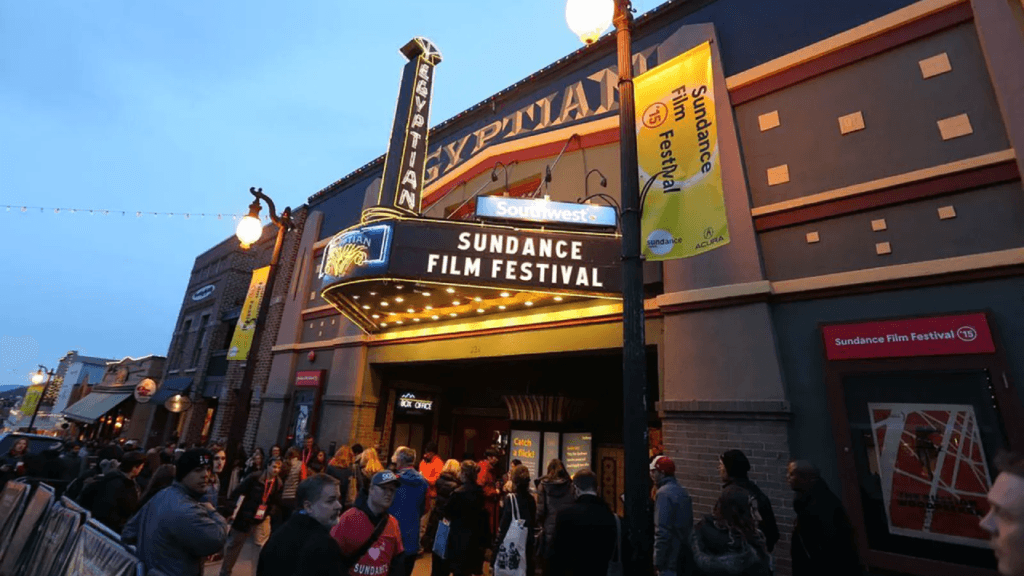
The Sundance Film Festival has officially announced that its 2027 edition — the first to be held in Boulder, Colorado — will take place from January 21 to January 31, 2027, marking a historic shift after decades in Park City, Utah.
Programming details will be unveiled closer to the event, but the date announcement confirms the timeline for Sundance’s transition to its new home following the 2026 farewell edition in Utah.
Festival director Eugene Hernandez described Boulder as an ideal next chapter for the festival, highlighting its setting at the base of the Flatirons and its integration with the University of Colorado Boulder campus.
“Working closely with the Colorado community, the 2027 Sundance Film Festival is already in our sights as we build towards an exciting debut in Boulder,” Hernandez said in a statement, emphasizing the city’s creative arts ecosystem and university partnership as key components of the move.
The relocation follows a competitive selection process in which Boulder emerged ahead of other finalist cities. Organizers have framed the decision as a long-term strategic move designed to ensure the festival’s sustainability, growth and operational flexibility in the evolving independent film landscape.
Boulder offers a compact downtown core, university-backed venues and a mountain setting that mirrors some of Park City’s winter identity. According to local reporting and official materials, the festival plans to utilize more than a dozen venues across the city, including university facilities and established theaters.
The move is also supported by financial incentives. Colorado’s Economic Development Commission approved a $1.5 million incentive package to support the relocation. State and local leaders have positioned the festival as a significant cultural and economic opportunity for the region.
The Sundance Film Festival has long been a major economic engine for Utah. Recent editions have generated an estimated $132 million in economic activity for the state, spanning hospitality, tourism, retail and production spending.
Boulder officials are projecting comparable impact, though logistical planning remains ongoing. Housing availability, transportation infrastructure and winter operations are among the key considerations as the city prepares to host thousands of filmmakers, press and industry professionals each January.
Local agencies have reportedly been studying operational models from the 2026 Utah edition to anticipate staffing, venue flow and crowd management requirements.
Founded by Robert Redford, Sundance became synonymous with Park City’s snowy Main Street and its intimate, walkable screening clusters. Over four decades, the festival evolved into the premier launchpad for independent cinema in the United States, debuting films that would go on to awards recognition and cultural impact.
The 2026 edition is widely expected to serve as a farewell celebration in Utah, with tributes to the festival’s legacy and its founder. While the flagship January festival will move to Boulder in 2027, some Sundance Institute programming and artist labs are expected to maintain connections to Utah.
The January calendar slot remains intact, preserving Sundance’s strategic positioning as the first major U.S. festival of the year. Its timing has long allowed distributors to acquire films early and build awards campaigns through the spring.
However, the physical geography of the festival will inevitably shift. Park City’s decades-old infrastructure for accommodating Sundance will give way to Boulder’s university-driven ecosystem and downtown grid. Industry observers are watching closely to see how that affects dealmaking dynamics, audience flow and the overall festival atmosphere.
Hernandez and Sundance leadership have framed the move not as a departure from the festival’s identity, but as an evolution. The emphasis remains on independent storytelling, community engagement and global artistic exchange.
As Sundance prepares to open its 2027 edition in Boulder from January 21–31, the relocation represents one of the most consequential institutional changes in the festival’s history.
Read More: