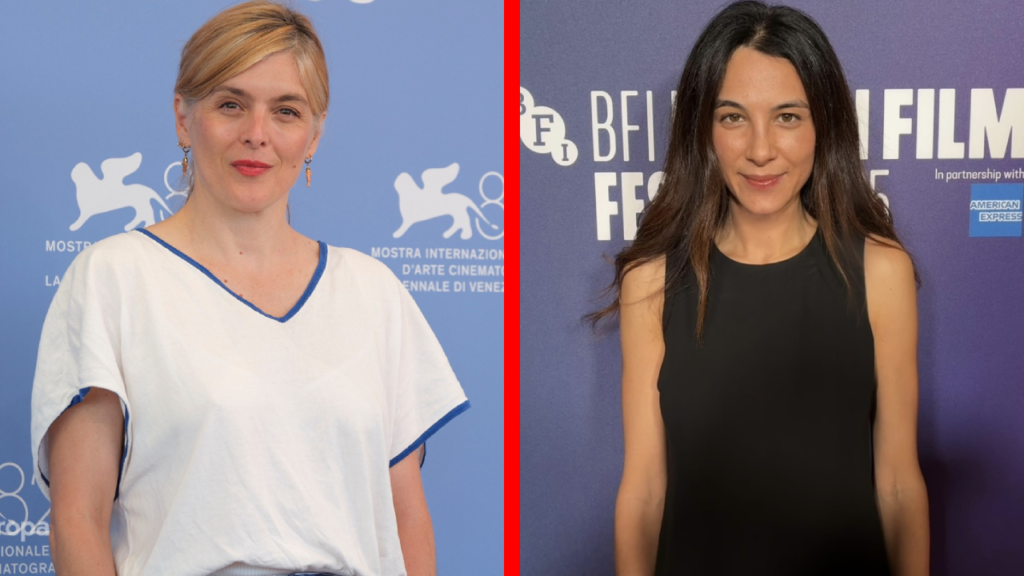
The 83rd Venice Film Festival has announced the juries for two of its key parallel sections, naming French filmmaker Valérie Donzelli as president of the Orizzonti (Horizons) jury and Italian director Carolina Cavalli as president of the Luigi De Laurentiis “Lion of the Future” Award jury for best debut feature. The appointments are part of the festival’s preparations for its 2026 edition, which will run from September 2 to 12 under artistic director Alberto Barbera.
Donzelli will lead a five-member international jury for Orizzonti, Venice’s competitive sidebar dedicated to emerging voices, innovative filmmaking, and new cinematic trends. Joining her are Peter Becker, president of The Criterion Collection and Janus Films; Hong Kong-American filmmaker Elizabeth Lo, whose documentaries include Stray and Mistress Dispeller; Mexican director David Pablos, best known for The Chosen Ones, Dance of the 41, and On the Road; and Italian actress Barbara Ronchi, whose recent screen credits include Familia and There Is Still Tomorrow.
Donzelli is one of France’s most acclaimed contemporary filmmakers, with directing credits including The Queen of Hearts and Marguerite & Julien. At last year’s Venice Film Festival, she won the Best Screenplay award alongside Gilles Marchand for À Pied d’Œuvre (At Work), making her appointment as Orizzonti jury president a notable return to the Lido.
The Orizzonti section has become one of Venice’s most closely watched showcases for new international cinema. Running alongside the main competition, it focuses on films that explore emerging artistic trends and new forms of cinematic language. Awards presented within the section include Best Film, Best Director, Best Screenplay, Best Actor, Best Actress, and the Special Jury Prize.
For the Luigi De Laurentiis “Lion of the Future” Award, Venice has selected Italian filmmaker Carolina Cavalli as jury president. Cavalli, who directed Amanda and Fremont, will oversee the panel responsible for selecting the festival’s best debut feature from across all eligible competitive sections. She will be joined by BAFTA-winning British-Nigerian filmmaker Akinola Davies Jr., whose feature My Father’s Shadow has drawn international attention, and veteran American producer Ted Hope, whose extensive producing credits include The Ice Storm, American Splendor, and 21 Grams.
The Luigi De Laurentiis Award, commonly known as the “Lion of the Future,” recognizes the best first feature presented across Venice’s official and parallel competitive sections. Open to debut films screening in the main competition, Orizzonti, Critics’ Week, Giornate degli Autori, and other eligible programs, the prize has become one of the festival’s most significant platforms for emerging filmmakers. In addition to the prestigious recognition, the award carries a US$100,000 cash prize, shared equally between the winning film’s director and producer.
The newly announced juries reflect Venice’s longstanding approach of bringing together filmmakers, performers, producers, and influential industry figures to evaluate new work from around the world. Donzelli’s experience as an award-winning writer-director, Becker’s role in film preservation and international distribution, Lo and Pablos’ festival pedigrees, Ronchi’s acclaimed acting career, and the combined expertise of Cavalli, Davies Jr., and Hope provide a broad range of perspectives across both juries.
The announcement follows the earlier confirmation of the festival’s main competition jury and marks another major step in the build-up to this year’s Venice Film Festival. With jury appointments now taking shape, attention will soon shift to the unveiling of the official selection, where many of the year’s most anticipated international premieres are expected to compete for the festival’s top honors.
Read More:
- Spotlight: Making Injustice Heard in a World of Untouchable Power
- Harry Potter and the Question Every Reboot Must Answer
- Good Films Are Often Bad Experiences
- Top 10 Sequels That Elevated Cinema: When Hollywood Got Better the Second Time
- How much does responsibility seep into filmmaking? Or does it at all?