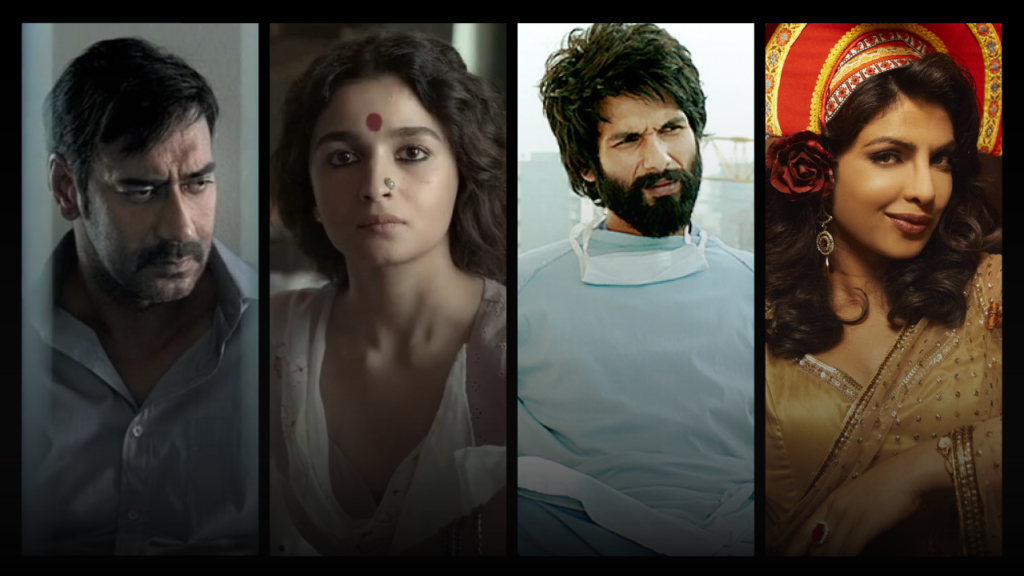
Stories were once built on a clear divide between heroes and villains, where one stood for virtue and the other for its absence. Both often came from similar circumstances, shaped by hardship and struggle, yet what set them apart was not their past, but their choices. As Albus Dumbledore from Harry Potter famously says, “It is not our abilities that show what we truly are, it is our choices.” This idea no longer belongs only to fiction, it reflects a deeper truth about human nature. And as storytelling evolves, so does our understanding of these choices, moving beyond simple binaries, and toward morally gray characters who exist somewhere in between.
The people we love, our parents, friends, and partners, are never defined by a single trait. They are complicated, often contradictory, carrying both warmth and flaws in equal measure. There is no absence of imperfection in anyone, and yet, it is precisely these imperfections that make relationships feel real. This familiarity is what audiences seek in cinema as well. When characters on screen reflect the same emotional inconsistencies we recognise in our own lives, they stop feeling distant or idealised; they begin to feel known.
When we talk about character, we mean it in a gender-neutral sense. Every single character brought to life with a writer’s ink deserves grave attention and detail. Writing layered characters often feels like the more challenging route, because doing them justice is easier said than done. You have to strike the right balance; no one trait should be overpowering another, but each one should be present in a way that feels necessary. It’s like cooking a perfect meal, every ingredient counts and the proportions must be just right.
Many directors have spoken about writing flawed characters by drawing from within because no person is made up of just one quality. This makes it important to portray them thoroughly, keeping them real without glorifying them, and fairly showing the impact of their actions. Martin Scorsese put it well when he said, “Art is important but there’s something beyond that.” However, not all portrayals strike that balance. Telugu film Arjun Reddy, or the remake of the same in Hindi, Kabir Singh is often seen as an example where a deeply flawed character is presented in a way that feels careless and rewarding at the same time, one that in another context, might have made him seem like a villain.
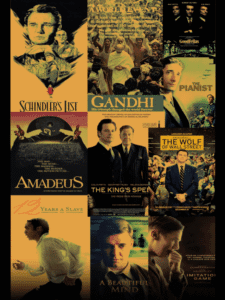
The evolution in character writing did not happen overnight, it reflected larger social changes. There was a time when masculinity used to be understood in a very limited way, as if it only had one form. This made characters feel flat and predictable. It was defined by strength, money, authority at home, and the role of a provider. Cinema reflected this traditional, patriarchal view as well. However, slowly, as the world changed, this understanding of masculinity began to evolve too. A notable cultural shift in this direction can be seen in films like Dead Poets Society, which opened conversations around emotional vulnerability in young men.
Female characters, on the other hand, had long been confined to stereotypes. They were highly neglected with lazy writing and a laid-back attitude, which was evident in films. They were rarely serving the story as much as they were serving their male counterparts, largely because films were, like every other field, predominantly led by men. A character with layers for women was a thought of later generations.
The change in cinema happened all around the world, even if the timing differed. In Hindi cinema, the idealistic boy changed into an angry young man, which later evolved into the morally gray character, the one that’s most familiar today. Some examples of idealistic characters are from films like Lagaan, Chak De India, Sully, Pad Man.
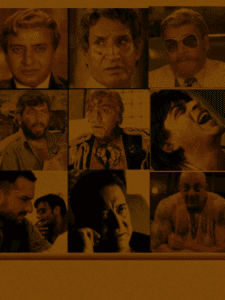
The “angry young man” era was defined by Amitabh Bachchan in films like Zanjeer, Deewar, Agneepath, Sholay, Shehenshaah and more. Today’s morally gray characters include Ajay Devgn in Drishyam, Priyanka Chopra in Saat Khoon Maaf, Vidya Balan in Kahaani, Alia Bhatt in Gangubai Kathiawadi, and more. Now of course there are toxic heroes at times, those might be questionable from right, left and centre, but exceptions exist everywhere, now don’t they?
Psychology also makes this idea of connection with a gray character rather interesting. As the times have known, people have always been intrigued by the mind of a criminal, what drives someone to commit such acts. It’s wrong from every perspective, but that very extremity is what raises questions. The similarity lies in the fact that all of us are going through something; only some, however, take destructive paths. When on the other end of the spectrum, that’s before going down the destructive path, these portrayals in films create a brief sense of relief, making us feel somewhat less alone.
It’s true that criminals and heroes, and every other person breathing this earth most likely has either had a dark past or certain issue growing up, and because these elements are real, they make it all the more relatable when presented in films. Edward Berger, director of the film Conclave, said, “Each character represents something in the movie. An ambition or a feeling and as they’re all fallible and all human, they’re all gonna have made one mistake in their life you know. They’re all up for the top gig, of one of the biggest personalities in the world and so they’re gonna get scrutinized and those things come out eventually and I just wanted to make those fairly normal, fairly human and not overly crazy or something just relatable.”
While people might have you believe that everyone should be normal and happy all the time, that’s far from reality. Even the people preaching this are most likely struggling. Struggle is normal, it’s only the way we deal with it that differs. Characters on the big screen embodying such traits or insecurities immediately connect with us.
Imperfection is universal. You and I are similar in our flaws, while our unique flaws are where we’re at the same time different. When reality marries imagination, the film that emerges resonates deeply. People are drawn to such cinema because they recognise the personalization of the filmmaker and the adaptation of real life in a story. As cinema continues to evolve, it moves closer to this truth that stories are no longer about ideal people we aspire to be, but about imperfect people we understand.
Read More: