Some of Bollywood’s most loved films today were once rejected by the very audience that now celebrates the films that once stumbled at the box office often return years later, rediscovered, reinterpreted, and sometimes revered. What fails on Friday may find its audience years later, not in theatres, but through television reruns, streaming platforms, and online film communities.
This list isn’t just about failure. It’s about misreading the moment. These are films that were out of sync with their time, only to become cult objects once the audience caught up.
The ranking is based on cultural impact, recall value, and how deeply each film has embedded itself into popular memory over time.
- Lakshya – Directed by Farhan Akhtar
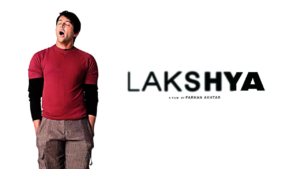
Lakshya arrived as a war film but behaved like a coming-of-age meditation, following a directionless man who eventually finds purpose, most powerfully culminating in the moment Hrithik Roshan scales a near-impossible cliff during the mission. Audiences expecting action-heavy spectacle found instead a slow internal journey.
Despite its scale and expectations, the film underperformed at the box office during its initial release.
It underperformed because it refused urgency, taking its time with character over conflict. Today, it’s admired for precisely that restraint. Among cinephiles, Lakshya stands as a rare Hindi film that treats self-discovery with patience and dignity, making its eventual payoff feel earned rather than engineered.
Today, it is widely regarded as one of Bollywood’s most nuanced coming-of-age films, rediscovered by younger audiences through television and streaming platforms.
- Dev.D – Directed by Anurag Kashyap
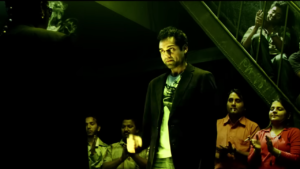
A radical reimagining of Devdas, Dev.D alienated traditional audiences with its fractured narrative, explicit tone, and hyper-stylized aesthetic, turning Dev’s emotional collapse into something almost sensory as Abhay Deol drifts through neon-lit disorientation.
The film struggled commercially upon release, as its unconventional storytelling clashed with mainstream expectations.
But that same audacity became its legacy. The film’s use of music, color, and fragmented storytelling turned it into a template for modern indie Bollywood. What once felt chaotic now reads as liberating, a film breaking free from its own source material.
Tracks like “Emotional Atyachar” became cultural markers, helping the film gain long-term recall beyond its theatrical run.
- Taarzan: The Wonder Car – Directed by Abbas–Mustan
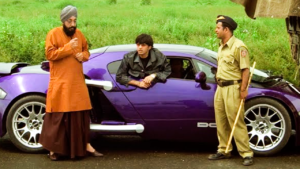
Dismissed as absurd on release, Tarzan has since been reclaimed, not by critics, but by internet culture, with its over-the-top premise of a haunted car seeking revenge, most memorably visualized in the glowing, resurrected machine returning in the night.
The film failed to make an impact at the box office during its release, often being dismissed as unintentionally comic.
What once felt unintentionally comic in 2004 is exactly what gives the film its charm today. It survives as a meme-driven cult artifact, where irony and nostalgia blur into genuine affection.
- Tumbbad – Directed by Rahi Anil Barve
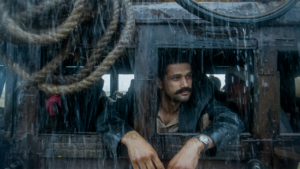
Despite critical praise, Tumbbad struggled commercially due to its genre ambiguity, too arthouse for mainstream horror, too genre-heavy for multiplex audiences, even as it built a deeply immersive world that peaks in the unsettling descent into Hastar’s lair.
Over time, it grew into a modern cult classic for its meticulous world-building, mythological depth, and visual precision. It is now seen as one of the rare Indian films where form and theme are inseparable, where greed is not just told, but felt.
Today, it is frequently cited as one of the finest Indian horror films ever made, especially among cinephile communities.
- Jaane Bhi Do Yaaro – Directed by Kundan Shah
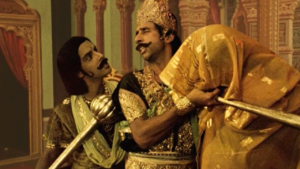
A sharp satire on corruption, the film failed because it felt too different and too chaotic for audiences at the time. Its humor didn’t follow the usual rules, which made it hard to connect with back then.
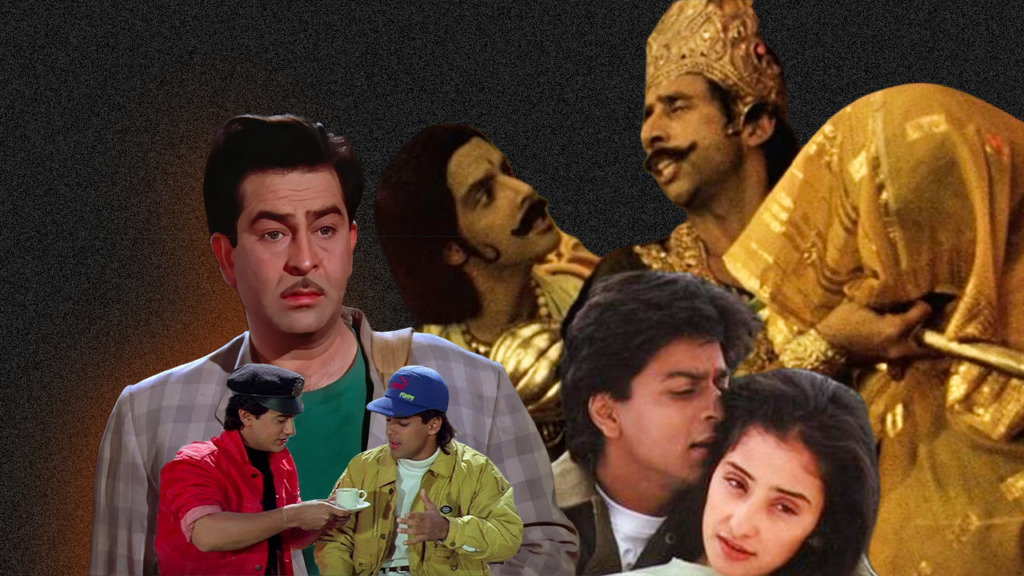
But over the years, that same madness became its strength. Today, it feels surprisingly real. The famous Mahabharata stage sequence, where Naseeruddin Shah and Ravi Baswani get pulled into complete chaos, perfectly captures the film’s messy, absurd, and unforgettable style.
Today, it is considered one of the greatest political satires in Indian cinema history.
- Sooryavansham – Directed by E. V. V. Satyanarayana
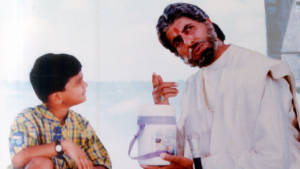
A modest performer in theatres, Sooryavansham found immortality not in cinemas but on television, especially through endless reruns on Sony MAX, where even moments like Amitabh Bachchan eating poisoned kheer became strangely iconic.
Its melodrama, once seen as dated, became comfort viewing, then meme material, and eventually a shared cultural reference point. It is less a film now and more a collective memory
- Dil Se.. – Directed by Mani Ratnam
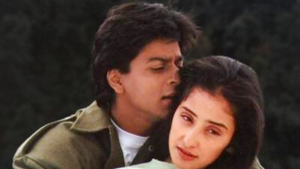
A political love story wrapped in music, Dil Se.. struggled because it was neither a conventional romance nor a clear political drama, even as it delivered unforgettable imagery like Shah Rukh Khan dancing atop a moving train in “Chaiyya Chaiyya.”
Over time, its haunting exploration of love, obsession, and conflict, paired with A. R. Rahman’s iconic soundtrack elevated it to cult status. It is now remembered as a film that feels more than it explains.
- Mera Naam Joker – Directed by Raj Kapoor
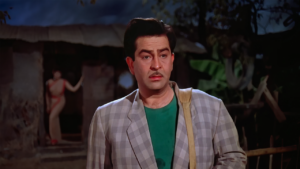
A massive commercial failure on release, this deeply personal film was criticized for its length, structure, and emotional heaviness, even as it offered moments of piercing vulnerability like Raj Kapoor smiling through heartbreak as the clown.
The film’s box office failure was so significant that it impacted Raj Kapoor’s career at the time.
But time has been kind. Today, it is seen as a self-reflexive work about performance, pain, and the artist’s burden. It is not just a film, but a filmmaker bleeding onto the screen.
It is now widely regarded as one of Raj Kapoor’s most ambitious and personal works.
- Swades – Directed by Ashutosh Gowariker
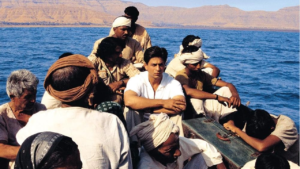
Too understated for a mainstream audience expecting spectacle from Shah Rukh Khan, Swades quietly slipped at the box office, even though it carried deeply affecting moments like him buying a simple glass of water from a child at a railway station.
But its sincerity, its refusal to dramatize patriotism, has since made it one of the most beloved films of its kind. Today, it is often cited as SRK’s finest performance, a film that finds power in restraint.
Songs like “Yeh Jo Des Hai Tera” and the railway moment have become deeply embedded in popular culture.
- Andaz Apna Apna – Directed by Rajkumar Santoshi
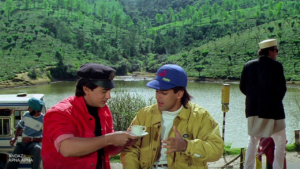
A box office disappointment in 1994, Andaz Apna Apna found its audience through repeated viewings, with Aamir Khan and Salman Khan’s effortless comic timing driving much of its enduring appeal, alongside iconic characters like Shakti Kapoor’s Crime Master Gogo.
Its humor, absurd, self-aware, and endlessly quotable, did not rely on trends, which is why it aged so well. Today, it stands as the definitive Bollywood cult comedy, a film that did not just survive failure, it outlived it.
Dialogues like “Crime Master Gogo naam hai mera” remain part of everyday pop culture even today.
Final Note
Cult cinema does not belong to opening weekends. It belongs to memory, to repetition, to rediscovery. These films did not win their time, they outlived it.
They may have failed to connect in their moment, but they succeeded in something far rarer. They stayed.
YOUR THOUGHTS
Which Bollywood film do you think was misunderstood in its time and deserves cult status today?
Read More: