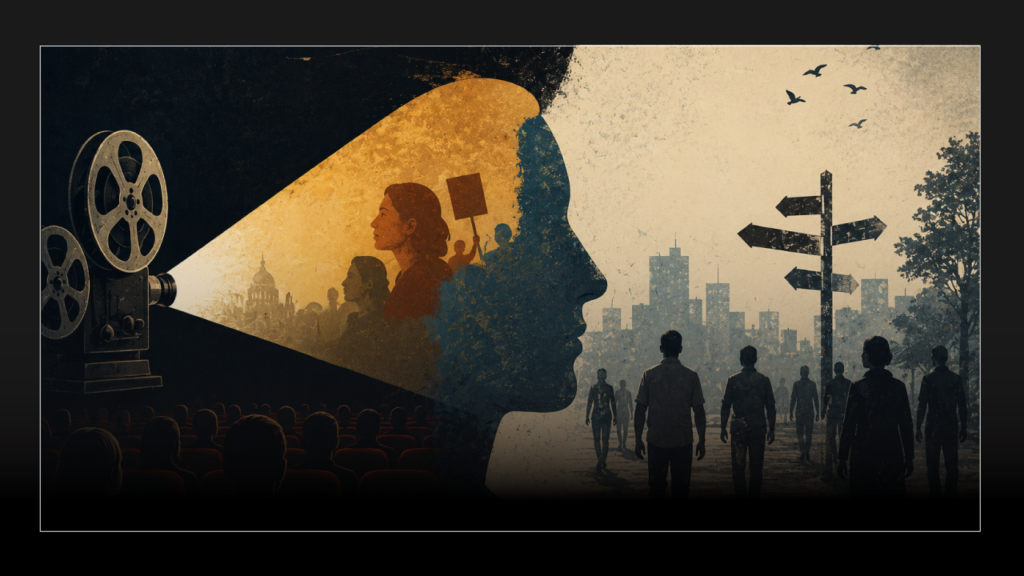
We talk about the power of cinema visually, emotionally, with the way that it’s written, the influence it holds, and whatnot. What we also talk about a lot is the social messaging of a film. While there are a bunch of films made keeping in mind a social motive, challenging societal stereotypes, the question remains, is cinema powerful enough to truly drive social change?
 “You reap what you sow. You’ll get good things if you do good.” You may have heard such life lessons often from your parents or grandparents growing up. But as you grow up, your brain starts shaping around a lot of factors, other than just their advice, your environment, your professors and peers, books you read, content you absorb, and even strangers. And because films can be hugely influential, they can force you into introspection about your own life as well as the society you’re living in.
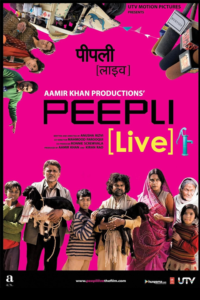
That’s where cinema starts becoming more than just a source of entertainment. It becomes a mirror, sometimes even a nudge, but not always a solution. Take Peepli Live, for instance. It highlighted farmer suicides and the media circus around them in a way that felt uncomfortable and real in a way that it should. People talked about it, urban audiences paid attention for a while, but the ground reality of agrarian distress didn’t dramatically shift because of the film. The awareness spike didn’t translate into sustained change, which says a lot about the limits of impact through films.
 Then there are films like Rang De Basanti, often seen as a benchmark for cinema influencing action. It did spark youth conversations, protests, and a certain emotional awakening. But even here, the effect was momentary. The energy it created didn’t institutionalize long-term civic engagement on a large scale. It inspired, yes, but sustaining that inspiration is a different challenge altogether.
 3 Idiots is another interesting case. It changed how people talk about education, rote learning, pressure, definitions of success. But if you look at the system itself, very little has structurally changed. Students still face intense pressure, and exam-centric culture continues. There still are so many student suicides because an exam wasn’t cleared, because the dream is that of not being a doctor or an engineer, because pressure gets too much and it eventually, inevitably bursts. So, the film succeeded in shifting discourse, however, not necessarily the system.

The gap becomes even more visible with films like Pad Man and Toilet: Ek Prem Katha. Pad Man undeniably opened up conversations around menstruation. There was a temporary rise in awareness, even in product accessibility. But at the same time, menstrual stigma still exists widely, even today, especially in rural areas, women are still excluded from certain spaces, still hesitate to speak openly, still face restrictions. You still see people hiding sanitary pads or talking in whispers about it if an elder or a man is around. As if they wouldn’t know about it. Anyone who has had a child or has a wife, even without an education, would know. But we continue to beat around the bush when speaking about it. The film, for sure, started a conversation, but it didn’t dismantle the taboo.

Similarly, Toilet: Ek Prem Katha aligned with sanitation campaigns and did contribute to awareness about open defecation. Toilets were built, yes, but usage and behavioral change remain inconsistent in many regions, and the awareness is little about whether the toilets that were made are in fact used regularly or if that was just part of a campaign in order to gain votes. It shows that infrastructure can be influenced, but deeply ingrained habits take more than a film to change.

Films like Article 15 and Thappad operate in a more internal space. Article 15 forced audiences to confront caste discrimination, especially those who prefer to believe it doesn’t exist anymore because they’re not the ones living within it.
But caste-based violence and discrimination are still very much present. Thappad questioned the normalization of domestic violence, but one film alone cannot undo generations of conditioning around gender roles and tolerance.
but it is a step. This is something filmmakers themselves acknowledge. Many have said that their job is not to create change directly, but to start conversations. And that distinction matters. Cinema can highlight, question, provoke, but it cannot enforce. It doesn’t have the power to implement policies, change economic conditions, or undo social structures on its own.
 There’s also the flip side; cinema can reinforce stereotypes just as easily as it can challenge them. For every film that questions norms, there are many that quietly normalize regressive ideas, whether it’s gender roles, toxic masculinity, or class divides. So, its influence isn’t automatically progressive; it depends entirely on how it’s used.
Ultimately, the audience plays a huge role. A film might intend to challenge something, but how it’s received, interpreted, or even ignored depends on the viewer. In today’s digital space, conversations do extend beyond the screen, but they’re also short-lived. Trends move fast, and so does attention.
So, can cinema drive social change? Probably not direct change. It can contribute to it, definitely. It can raise awareness, spark conversations, and sometimes even inspire action. But it rarely creates lasting change on its own. Real change is slower, more complicated, and depends on multiple factors, policy, education, access, and consistent effort.
Cinema may not change the world overnight, but it has the power to change how people see it, and that’s where real change begins. It is a tool for social development and evolution to form minds, even if to a certain extent.
Read More: