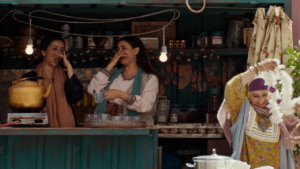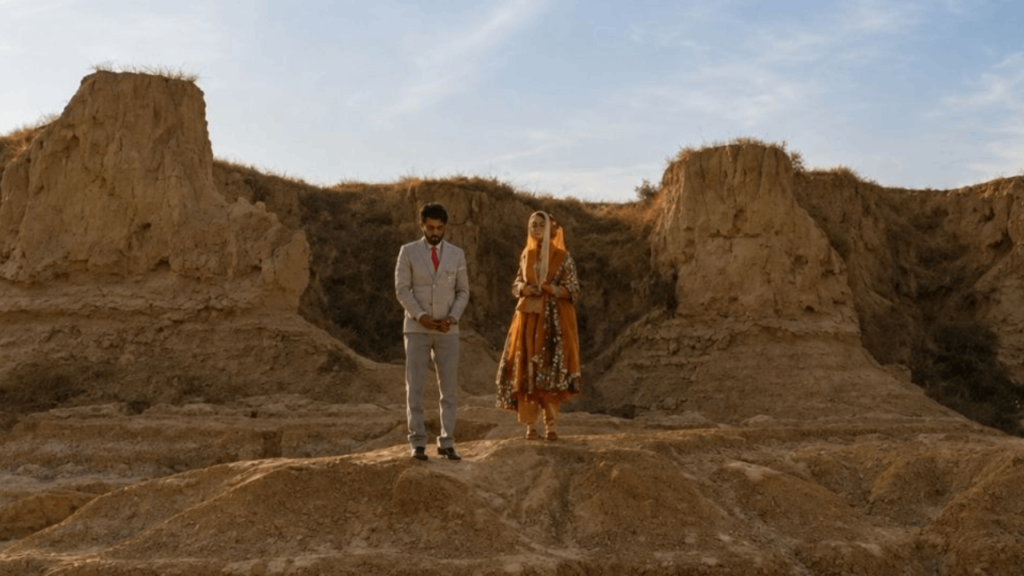
Sarmad Sultan Khoosat’s Lali is heading to Seattle for a major South Asian cinema showcase, with the darkly comic Pakistani drama selected as the Opening Night film for the 21st Tasveer Film Festival & Market. The film will screen on October 15 at Tasveer Film Center as the festival’s West Coast Premiere, following its world premiere at the 2026 Berlinale. The selection gives Lali another international platform while placing Sarmad Sultan Khoosat’s work at the centre of a festival devoted to South Asian stories.
The Berlinale connection carries particular weight. Lali became the first all-Pakistani production ever to premiere at the Berlin International Film Festival, where it played in the Panorama section. The film is a Punjabi-language story set in rural Punjab, following Zeba and Sajawal as marriage, superstition, fear and unresolved emotions begin to pull their relationship into increasingly unsettling territory. Tasveer describes the film as darkly funny and eerie, with a wedding celebration setting the story’s trouble in motion.
At the heart of Lali is Zeba, a woman whose previous three fiancés died before marriage, leaving her surrounded by rumours that she is cursed. She marries Sajawal, whose own insecurities and fears complicate their relationship. What follows blends family tensions, superstition and dark humour, creating a story that can feel both intimate and strange. The film’s unusual mix of emotional drama and unsettling comedy gives the Tasveer programme an opening-night film with a distinctive identity.
Sarmad Sultan Khoosat is also arriving with a strong international record. His work includes Zindagi Tamasha and Kamli, while Joyland, which he produced, became Pakistan’s first film selected for competition at Cannes and won the Jury Prize in Un Certain Regard. Lali continues his engagement with stories rooted in Pakistani society while taking its characters and themes into a more unsettling space.
The festival itself brings considerable scale to the occasion. Tasveer Film Festival & Market will run from October 13 to 18 in Seattle, with 136 films representing 16 countries and 27 languages. The programme includes 15 world premieres and features 50 female filmmakers. Tasveer is also the world’s only Oscar-qualifying South Asian film festival, a status it has held since 2023. That makes its Opening Night an important meeting point for filmmakers and audiences across the region’s diverse cinema.
Lali’s selection also reflects the festival’s broader international reach. Tasveer is presenting films from across South Asia and its diaspora, while the accompanying market connects developing projects with industry executives, financiers and potential co-production partners. The 2026 market includes live pitches, one-to-one meetings and industry programming, expanding the event beyond screenings into a wider professional gathering.
The film’s placement on Opening Night is particularly fitting because Lali has already travelled through several major festival spaces. After Berlin, it has continued its international journey through showcases including the Indian Film Festival of Los Angeles, while upcoming festival screenings are extending its reach to audiences outside Pakistan. Tasveer now adds a Seattle audience to that journey.
The choice creates a bridge between Berlin and Seattle. Lali arrives not as another festival title, but as a film carrying a landmark premiere, a Punjabi cultural setting and a filmmaker whose earlier work has travelled through international festivals. Its Tasveer opening continues that journey.
For Sarmad Sultan Khoosat, the selection places a distinctly Punjabi and Pakistani story at the front of one of North America’s most significant South Asian film gatherings. For Tasveer, Lali brings together two defining ideas of the festival: giving South Asian filmmakers a global platform and connecting audiences with stories that might otherwise travel less widely. The October 15 screening therefore represents more than an opening-night slot; it marks another step in Lali’s international life and another chapter in Tasveer’s growing cinematic conversation.