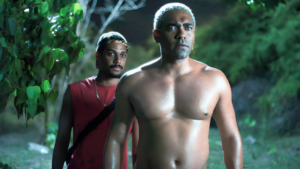
A documentary built around anonymous testimony and difficult questions about the war in Gaza is finding an audience in North America without a conventional theatrical distributor. NAZA, directed by Israeli filmmakers Yuval Abraham and Rachel Szor, has earned an estimated $504,074 in the United States and Canada. After opening at New York’s IFC Center, the Guardian-produced film expanded to 85 theatres across 30 cities, with word of mouth and attention following its Venice premiere helping drive audience interest.
The film’s latest reported weekend brought in approximately $298,000 across its expanded run, with a per-theatre average of roughly $3,500. The performance is notable for a documentary operating without a traditional North American distributor. Internationally, however, NAZA has secured theatrical distribution in 56 territories through a partnership between The Guardian and mk2 Films.
The documentary’s international performance has already attracted attention. In Italy, NAZA opened at No. 1, ahead of the Hollywood re-release Avengers: Endgame – Encore. Sold-out screenings prompted an extension of its run, indicating that the film’s subject is drawing cinema audiences beyond the festival circuit.
Abraham and Szor, two of the four directors behind the Oscar-winning documentary No Other Land, build NAZA around interviews with 24 anonymous Israeli soldiers and intelligence personnel. Filmed at night on rooftops in Tel Aviv, the interviews feature witnesses whose faces and voices have been obscured to protect their identities. Their accounts examine military decision-making and the use of artificial intelligence and surveillance systems to identify targets during military operations in Gaza.
The title refers to the Hebrew military term nezek agavi, translated as collateral damage. In the film, the term describes an estimated number of civilian deaths considered likely in a strike. The testimonies raise questions about how such calculations are made and how civilian lives are weighed during military operations. The Israeli military has disputed aspects of the film’s allegations, underscoring the importance of distinguishing the witnesses’ claims from official responses.
NAZA premiered in competition at the Venice International Film Festival, where it received the Special Jury Prize and reportedly a standing ovation lasting around 25 minutes. Its directors had already attracted international attention with No Other Land, which won the Academy Award for Best Documentary Feature in 2025.
The film has also become a flashpoint in Israel, drawing strong reactions from political figures. Prime Minister Benjamin Netanyahu has called for the identification and prosecution of the anonymous interviewees, while government figures have denounced the filmmakers and raised the prospect of stripping them of Israeli citizenship. The government has also promoted a separate online counter-film, NAZA: The Real Story, which presents a competing account of Israel’s military conduct in Gaza and offers an alternative perspective on the allegations raised in the documentary.
The backlash has prompted a response from within the Israeli film community. More than 1,500 Israeli film professionals, alongside human rights groups, have publicly defended Abraham and Szor. The dispute has placed the documentary at the centre of a wider debate about accountability, press freedom and the risks faced by people who speak publicly about military operations.
The Guardian and mk2 Films have arranged theatrical releases across 56 territories. The Guardian has also said that the documentary will be available free worldwide on its website in late November, potentially bringing the film to viewers who cannot access a cinema screening.
NAZA’s North American box-office performance offers a measure of the interest surrounding a documentary that has expanded from its New York debut into a wider theatrical run without a conventional distributor. While its reported earnings highlight its reach in cinemas, the film’s broader impact rests on the questions it raises and how audiences, officials and the people whose testimony it presents respond to them.