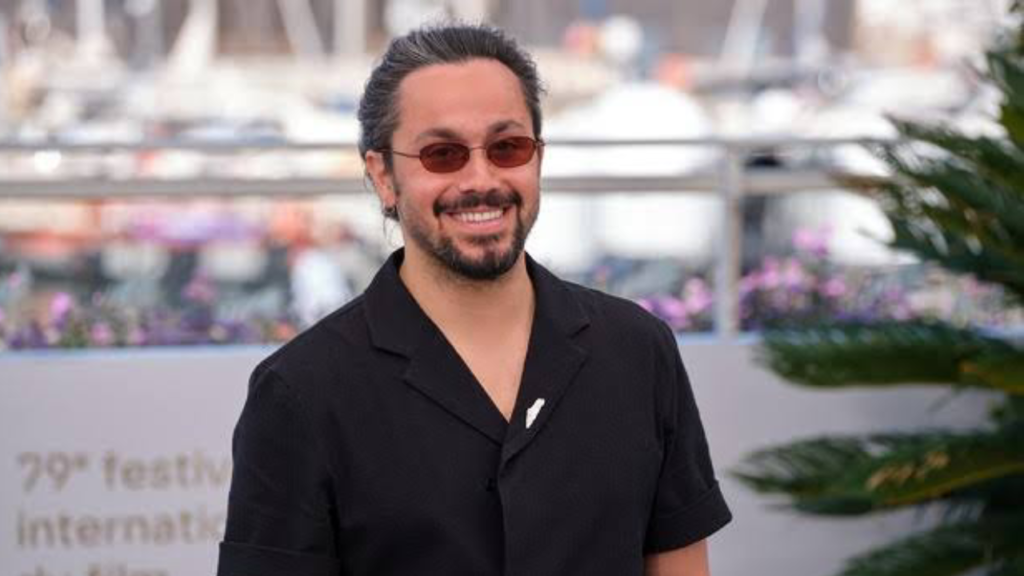
Palestinian filmmaker Rakan Mayasi’s debut feature, Yesterday the Eye Didn’t Sleep, is continuing its international festival run after winning the Golden Athena Award for Best Film at the 32nd Athens International Film Festival. Following its selection for the Un Certain Regard section of the 2026 Cannes Film Festival, the film is reaching audiences at international festivals, including El Gouna, CineMed in Montpellier, the Rome Film Festival and Les Films de Cannes à Bucarest. Set in Lebanon’s Bekaa Valley, the film explores the consequences of a family feud through the lives of two sisters whose futures become part of an attempt to secure peace through a forced marriage arrangement.
The story begins when the search for a missing girl triggers a conflict between rival families. As tensions escalate, sisters Jawaher Al Mawla and Rim Al Mawla are offered as brides to settle the dispute. Neither sister has a say in the decision, leaving them to face a future shaped by a feud they did not create. The film examines how deeply rooted traditions can turn women’s lives into bargaining tools, with Mayasi drawing on his own family history to tell the story.
The inspiration came from the director’s grandmother, who was forced into an arranged marriage at the age of 14. Mayasi grew up hearing her story and eventually found a way to explore its significance through cinema. His grandmother died three months before filming began, making the project a deeply personal undertaking. Rather than approaching the subject as a distant social issue, Mayasi builds the story around people whose choices are restricted by family expectations and the threat of violence.
The circumstances surrounding the shoot added another layer to the film. Production took place in March 2025 in Lebanon’s Bekaa Valley, near the Syrian border. During dialogue takes, the sound of bombings from nearby Israeli aircraft interrupted filming twice. The production continued, with Mayasi later removing the explosive frequencies during post-production while deliberately retaining the ominous sound of a war drone. This decision allows the threat of conflict to remain part of the film’s soundscape without overwhelming the story unfolding on screen.
Mayasi’s filmmaking process was equally unconventional. He spent three and a half years observing the local community before filming, taking time to understand its daily routines and relationships. He then made the feature without a traditionally formatted written script, allowing situations and performances to develop more naturally. The cast consisted of local villagers, including members of the Al Mawla family, rather than trained actors. Mayasi also avoided familiar commands such as “Action!” and “Cut!” on set, encouraging the performers to behave naturally rather than feel that they had to act for the camera.
This approach gives Yesterday the Eye Didn’t Sleep its distinctive cinematic character. Everyday gestures, pauses and interactions become important elements of the storytelling, allowing audiences to understand the characters through their behaviour rather than lengthy explanations. The film relies on observation and atmosphere while keeping its focus on the sisters and the limited choices available to them.
Mayasi’s visual approach also reflects his experience studying cinema with Iranian filmmaker Abbas Kiarostami at the Asian Film Academy in South Korea in 2010. Kiarostami’s exploration of the relationship between reality and fiction offers a point of reference for understanding Mayasi’s interest in non-professional performers and unscripted filmmaking. The Palestinian director, however, brings his own perspective to a story rooted in the lives and experiences of a specific community.
The Golden Athena win adds another milestone to the film’s growing international presence. Its selection for Cannes’ Un Certain Regard section introduced Mayasi’s first feature to a major international audience. Subsequent festival appearances are bringing the film to viewers across different countries and cinematic cultures.
For Mayasi, Yesterday the Eye Didn’t Sleep brings together personal memory, the realities of life in the Bekaa Valley and a filmmaking process built around observation. One of the film’s defining qualities is its close attention to the people at the centre of its story, allowing their experiences to speak without unnecessary explanation.