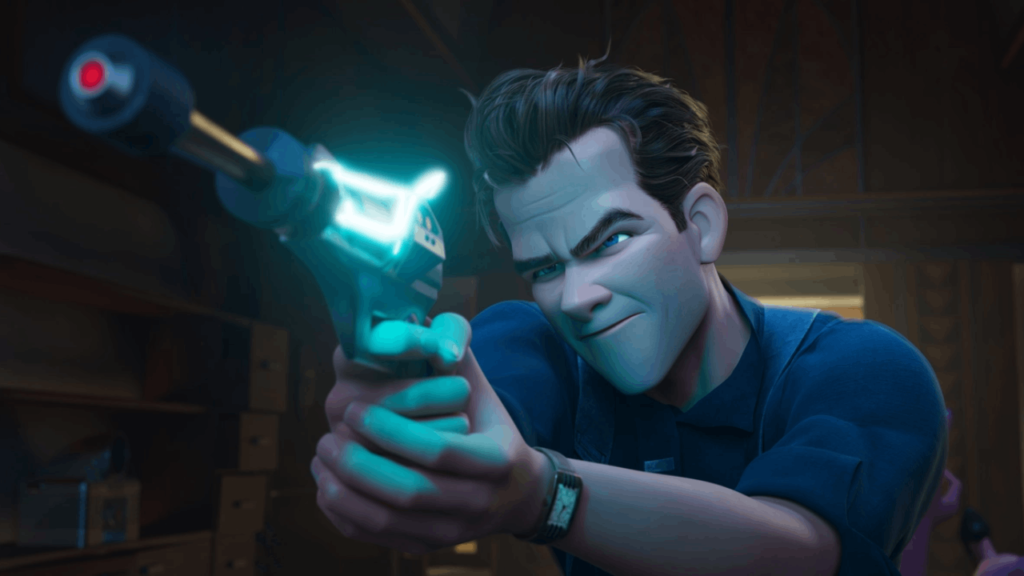
Ray Gunn, Brad Bird’s new Netflix animated film, premiered at the 2026 BFI London Film Festival on October 10. Combining classic detective noir with science fiction, the film brings together a private investigator, an alien-filled futuristic city and a famous entertainer caught in a complicated case. The voice cast features Sam Rockwell, Scarlett Johansson and Tom Waits.
Early reviews have praised the film’s visual imagination, detailed world-building and blend of genres, but critics have raised questions about its storytelling and themes. Pete Hammond of Deadline responds positively to the film’s entertainment value and its combination of science fiction and film noir. The Hollywood Reporter’s Angie Han is less impressed, describing the film as an underwhelming mix of familiar conventions. Kate Erbland of IndieWire offers a more mixed assessment, praising the world Brad Bird has created while questioning the film’s message.
The film follows Raymond Gunn, a private detective working in Metropia, an enormous futuristic city imagined through the lens of 1939. Alongside his alien partner, Eye-Ra, Gunn investigates a case involving Venus Nova, a famous multimedia artist whose personal life has become increasingly difficult to manage. As the investigation develops, the story turns towards the influence of a powerful entertainment corporation and the pressures placed on artists working within it.
In his review for Deadline, Pete Hammond describes Ray Gunn as a stylish combination of science fiction and film noir. He highlights the pairing of Rockwell and Johansson, whose characters recall the screen chemistry of classic Hollywood stars Humphrey Bogart and Lauren Bacall.
Hammond responds positively to Bird’s approach to the material, particularly the way the film combines detective-story conventions with an imaginative futuristic setting. The contrast between the hard-boiled investigator and the glamorous entertainment world surrounding Venus gives the story its distinctive character.
The review also highlights the film’s potential as an animated feature that could attract attention during awards season. For Hammond, Ray Gunn offers a blend of visual style, genre influences and performances that makes it an entertaining addition to Bird’s filmography.
Angie Han takes a more critical position in her review for The Hollywood Reporter. She describes Ray Gunn as a familiar mixture of science-fiction and neo-noir conventions, arguing that the film does not make enough of its elaborate premise.
Although Metropia offers an expansive setting and the film brings together an established filmmaker and a prominent voice cast, Han finds that its visual presentation and emotional storytelling do not fully come together. The result, in her assessment, is a film that feels underwhelming rather than disastrous.
Her criticism centres on the gap between the film’s ambitions and what it ultimately delivers. The combination of futuristic imagery, detective-story elements and familiar genre ideas gives Ray Gunn plenty to work with, but Han believes it lacks the visual distinction and emotional specificity needed to leave a lasting impression.
The review provides a counterpoint to Deadline’s more enthusiastic response, suggesting that the film’s genre influences and elaborate world may not be enough to make its story equally compelling.
Kate Erbland’s IndieWire review offers a more balanced assessment. She praises the creativity behind Bird’s long-developing project, particularly its retro-futuristic setting and the way it brings together detective noir, science fiction and social commentary.
Metropia is one of the film’s strongest elements. The city feels detailed and lived-in, with flying cars, aliens and towering buildings creating a setting that supports the story’s mix of genres. Erbland also recognises the appeal of Bird’s attempt to explore the entertainment industry through an animated detective story.
However, she finds that the film’s numerous subplots and ideas do not always receive enough development. The central investigation becomes increasingly complicated, while parts of the story feel as though they could have benefited from more time to develop. Erbland suggests that the material might have worked better as a series, given the number of characters and narrative threads the film attempts to accommodate.
The review also questions the film’s criticism of powerful entertainment corporations. The story presents a world in which a major company controls much of the cultural landscape and places pressure on its biggest star. While the film supports creative independence, Erbland finds the message complicated by the project’s own corporate backing.
IndieWire awarded Ray Gunn a B-, reflecting its appreciation of the film’s imaginative setting and creative ambition alongside reservations about its storytelling and themes.
The early reviews suggest that Ray Gunn will appeal most to viewers interested in animated films that experiment with established genres. Hammond appreciates its combination of film noir and science fiction, while Han questions whether its familiar elements add up to a memorable film. Erbland recognises the imagination behind the project but finds its story and larger message less convincing.
The different assessments point to a film whose visual world and genre mix are among its strongest features, even as its narrative complexity and themes remain points of debate. Bird’s return to animation has produced an ambitious project, but critics differ on how successfully it brings its many ideas together.
Ray Gunn will receive a limited theatrical release on December 4, 2026, before arriving on Netflix on December 18.
Watch Trailer:
Film Details: Ray Gunn
- Director: Brad Bird
- Screenwriters: Brad Bird and Matthew Robbins
- Voice Cast: Sam Rockwell, Scarlett Johansson and Tom Waits
- Genre: Animated science-fiction noir
- Production Company: Skydance Animation
- Distributor: Netflix
- Runtime: 119 minutes
- Festival Premiere: BFI London Film Festival 2026
- Theatrical Release: December 4, 2026 (select theatres)
- Netflix Release: December 18, 2026