
Cinema has always been about storytelling. But franchises do something bigger. They don’t just tell one story; they create an entire world for audiences to step into. A franchise becomes a universe people return to again and again. It becomes comfort, escape, a whole community.
So, the question arises, is there actually a formula to franchise filmmaking? Or is it something completely unpredictable and random?
The Idea of a “World”
One thing almost every major franchise has in common is world-building. The audience needs to feel like the world exists beyond the film itself.
Take Harry Potter for instance, a British fantasy franchise written by J. K. Rowling and adapted into films by Warner Bros. Pictures. The success of the franchise was never only about Harry himself, as the name itself might suggest. It was Hogwarts, the houses, the spells, the friendships, the idea that there’s a hidden magical world existing alongside ours. Children grew up dreaming about receiving their Hogwarts letter. Adults connected to it because underneath the fantasy was something universal as well, loneliness, friendship, grief, love, and the battle between good and evil. The emotional core mattered just as much as the fantasy. One of the strongest ideas in the series is that love protects all, that love is more powerful than fear or violence, that the reason Voldemort couldn’t kill Harry was because he was shielded by his mother’s love. That emotional simplicity made the franchise global.
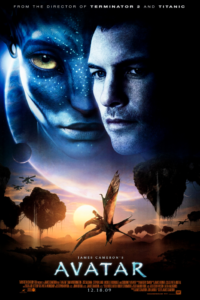 The same can be said for Avatar, an American science-fiction franchise created by James Cameron. The film created Pandora, a visually immersive world with its own culture, language, creatures, and spirituality. People weren’t just watching a science fiction film; they were entering another planet. The franchise succeeded because audiences wanted to experience that world again.
That seems to be one of the biggest patterns in franchise filmmaking, the world can be fantastical, but the emotions must remain relatable.
The Underdog Trope
Another recurring pattern in franchises is the underdog storyline. Audiences naturally connect with outsiders, characters who don’t fully belong, who struggle more, who are underestimated.
Harry Potter is an orphan who never feels like he fits in. Spider-Man is often shown as an awkward teenager balancing ordinary life with extraordinary responsibility. Even Batman, despite being wealthy and powerful, is emotionally isolated and constantly battling inner trauma.
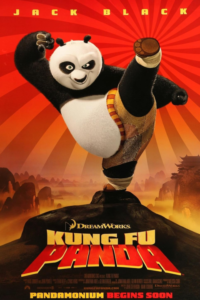 In Kung Fu Panda, an American animated franchise, produced by DreamWorks Animation, has the main lead Po, who is fat, clumsy and underestimated, and yet becomes the hero. In Toy Story, an American animated franchise created by Pixar, the emotional conflict is rooted in fear of being replaced and forgotten.
The underdog trope works because it creates emotional investment. Viewers see vulnerability before they see greatness, and that makes them root for these characters.
Character-Driven Franchises
Some franchises survive because of one unforgettable character.
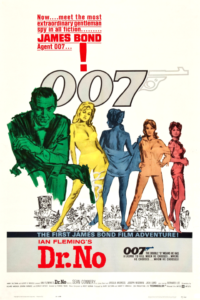 James Bond is the most obvious example. Created originally by British writer Ian Fleming, the franchise has survived decades because the core character remains compelling. Different actors have played Bond, from Sean Connery to Daniel Craig, but audiences continue returning because the franchise understands its value.
This is where franchises also become about expectations. Audiences begin associating franchises with a specific experience. With James Bond, it’s espionage glamour.
Spectacle and Entertainment
Some franchises thrive less because of deep storytelling and more because they understand entertainment value.
 Fast & Furious, an American action franchise produced by Universal Pictures, began primarily as street-racing films, but evolved into large-scale action spectacles along with racing. The franchise understood what audiences enjoyed, cars, glamour, exaggerated action, loyalty, and emotional themes around family.
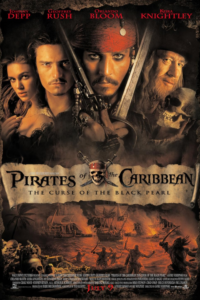
Pirates of the Caribbean, an American fantasy-adventure franchise produced by Jerry Bruckheimer and Walt Disney Pictures, similarly became successful through its chaotic pirate world and iconic character. Inspired by a Disneyland ride and led by Johnny Depp as Jack Sparrow, the franchise mixed fantasy, adventure, comedy, and unpredictability.
Superheroes and Connected Universes
Modern franchise filmmaking changed significantly with Marvel Studios and the Marvel Cinematic Universe. Instead of standalone sequels, Marvel built an interconnected universe where characters crossed into each other’s stories.
Films like The Avengers worked because audiences had already spent years emotionally investing in Iron Man, Captain America, Thor, and others individually. When they finally came together, it felt rightly earned.
Adaptation and Familiarity
A lot of successful franchises are adaptations because there’s already an existing and loyal fanbase.
Harry Potter came from books. Marvel films came from comics. Sherlock Holmes came from literature by Arthur Conan Doyle. Batman and Spider-Man came from comic books. Existing familiarity gives studios confidence because audiences already know and care about the characters.
But adaptation alone can never be enough. Many adaptations fail because they misunderstand what audiences connected to originally. Genius is knowing how to preserve the emotional identity while expanding it cinematically.
The Business of Franchise Filmmaking
Franchises are creative like all films are, but they are also deeply commercial.
Studios think long-term. A successful franchise means sequels, spin-offs, and box office returns. One successful franchise means a lot of ROI. That’s why studios often attempt to build franchises even before audiences fully connect to the first film.
But not all franchises develop successfully. Sometimes studios plan cinematic universes that never continue because the first installment underperforms financially. Hollywood has seen multiple attempted franchises that were abandoned because expectations weren’t met commercially. Divergent, an American science fiction action film series adapted from novels by Veronica Roth, lost momentum when later films underperformed, leaving the planned finale of the series unfinished.
Conclusion
So, is there a formula to developing a franchise? Maybe not an exact formula, but definitely patterns.
Most successful franchises create immersive worlds and long-term audience connection. Many rely on underdog stories, good versus evil conflicts, spectacle, nostalgia, or strong central characters. Some succeed because of storytelling depth, while others succeed because they understand entertainment value and audience expectations. People return not just for explosions, action, or fantasy, but because these worlds build a connection. Hogwarts feels like home. The Avengers feel familiar. James Bond feels timeless.
A franchise succeeds when it stops feeling like just a series of films and starts feeling like a universe people belong to.
Read More: