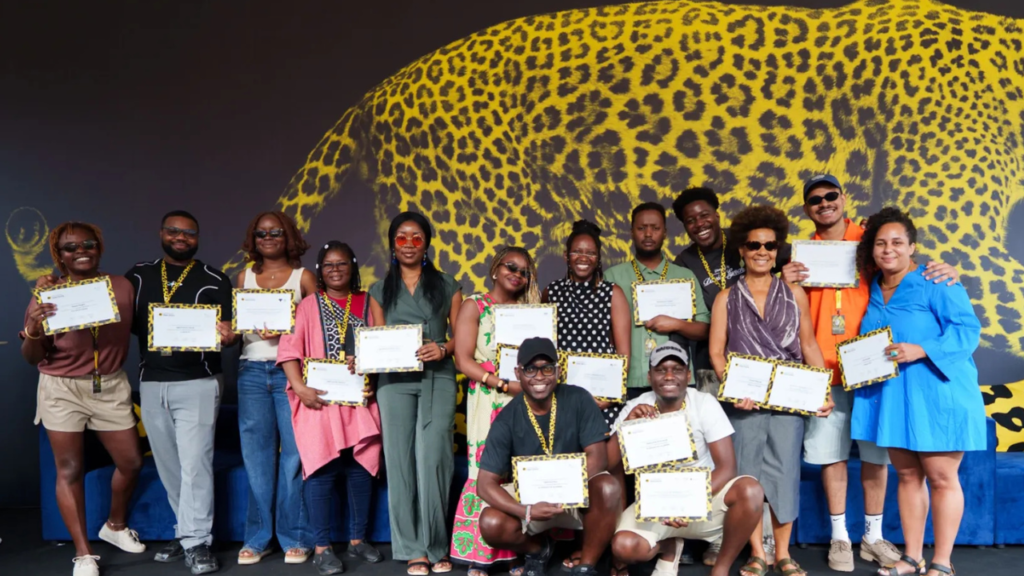
Six African film projects have been recognised at Locarno Open Doors 2026, with Uganda’s A Vineyard for a Lobster, the Somalia-Djibouti project Accept My Plea for Burial and Ghana’s Too Much Music sharing the programme’s CHF 50,000 Open Doors Grant. The support is aimed at films still in development, giving their filmmakers additional resources and industry access as they work toward production.
For filmmakers working in regions where independent production can be difficult to finance, Open Doors provides support beyond the awards themselves. The programme operates within Locarno Pro, the industry section of the Locarno Film Festival, connecting filmmakers with producers, funders and other international film professionals. Its development programme includes training, advice, networking and opportunities to meet potential partners who could help finance or produce the selected projects.
The 2026 edition is particularly significant as it marks the second year of Open Doors’ four-year focus on African cinema. The initiative covers filmmakers from 42 African countries and aims to strengthen connections between African film industries and the international filmmaking community. For projects at an early stage, that access can provide opportunities and professional connections that may not otherwise be readily available in their home markets.
Among the three projects sharing the main grant is Ugandan filmmaker Talemwa Pius’ A Vineyard for a Lobster. The fiction feature uses a snow-covered setting as a visual representation of the lasting effects of colonialism. Its distinctive premise and visual approach make it one of the projects that stands out within this year’s selection.
Somali filmmaker Mohammed Sheikh’s Accept My Plea for Burial takes a different approach, centring on the death of a 12-year-old boy and its effect on his village. The boy’s mother refuses to bury him until she understands what happened to her son, setting up a story that examines questions of justice, tradition and community. The project is a Somalia-Djibouti collaboration.
The third project sharing the CHF 50,000 grant is Ghanaian filmmaker Aseye Fiagbe’s Too Much Music, a documentary focused on celebrated Ghanaian keyboard prodigy Kiki Gyan. The project adds a music-focused documentary to a selection otherwise dominated by fiction and experimental approaches.
The remaining three projects further demonstrate the range of filmmaking represented in the 2026 programme. Chapa 100, directed by Ique Langa, is an urban surrealist love story from Mozambique and South Africa. I Live in V.I, directed by Nigerian filmmaker Ugochukwu Azuya, is a social satire centred on urban space and gentrification. Meanwhile, Tanzanian filmmaker Neema Ngelime’s The Ones With the Tempered Flowers is an experimental documentary made as a Tanzania-Kenya collaboration and exploring themes of womanhood and motherhood.
The CHF 50,000 Open Doors Grant is only one part of the support available through this year’s programme. The 2026 awards also include an €8,000 CNC Development Prize and a €6,000 ArteKino International Prize, along with additional awards and professional opportunities from international partners. A new EAVE and Film Fund Luxembourg scholarship provides €4,000, while the new AFP Critics Prize offers $500 together with continuing editorial support.
Open Doors also has a track record of supporting projects that go on to reach international audiences. Previous films connected to the programme include Joyland, Atlantics and Tiger Stripes, demonstrating how projects discovered and supported during development can eventually make their way to major festivals and wider audiences.
For the six African projects selected in 2026, the significance of Open Doors therefore extends beyond the financial value of the individual awards. The programme gives filmmakers opportunities to develop their projects, connect with potential producers and international partners, and build pathways toward financing and eventual production. While these are films still in development rather than completed festival titles, the 2026 selection offers an early look at filmmakers and stories that could reach international audiences in the years ahead.
Read More: