
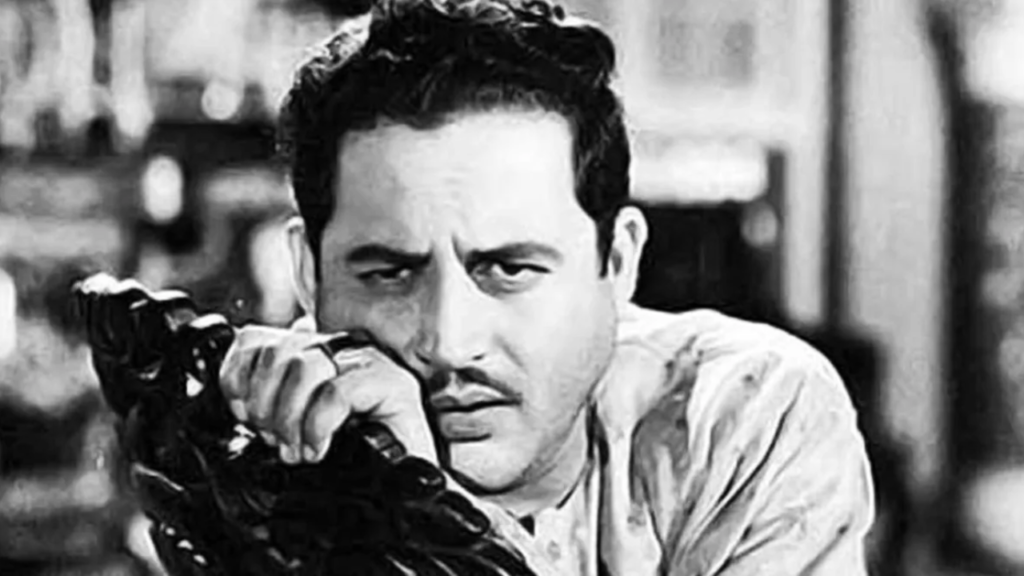
A new biographical series is set to revisit the extraordinary life of filmmaker and actor Guru Dutt through Bimal Mitra’s intimate memoir Bichde Sabhi Baari Baari. The source material offers an unusually personal window into the artist’s final years, drawing from Mitra’s close association with Guru Dutt at his Pali Hill home and Lonavala farmhouse. Their conversations during Guru Dutt’s sleepless nights reportedly touched on his anxieties, vulnerabilities and creative struggles, giving the adaptation a perspective that goes beyond conventional accounts of his career.
The memoir’s title itself carries a powerful connection to Guru Dutt’s cinema. Bichde Sabhi Baari Baari, roughly meaning “Everyone departed one by one,” refers to a line from “Dekhi Zamaane Ki Yaari,” the memorable song from Guru Dutt’s 1959 film Kaagaz Ke Phool. The reference is especially significant because Kaagaz Ke Phool reflected the filmmaker’s fears of loneliness and professional abandonment. The film failed commercially on release and deeply affected Guru Dutt, making the memoir’s title an evocative link between his art and personal experiences.
That connection becomes more meaningful because Bimal Mitra’s account emerged from proximity rather than distant observation. Guru Dutt was known to struggle with severe insomnia and anxiety, and his sleepless periods created opportunities for long, candid conversations with Mitra. The series can therefore explore the person behind celebrated films while tracing the emotional pressures that accompanied his creative life, without reducing him to a tragic figure. His work in Pyaasa and Kaagaz Ke Phool, in particular, has often been associated with characters facing isolation, disappointment and a difficult relationship with the world around them.
The adaptation will also revisit one of Hindi cinema’s enduring historical questions: who actually shaped Sahib Bibi Aur Ghulam? Abrar Alvi received the official director’s credit for the 1962 film, yet claims have persisted that Guru Dutt secretly directed substantial portions of it. The question remains a matter of debate rather than established fact. Bimal Mitra’s position in the film’s history makes the subject especially relevant, as he wrote the original story and was closely involved in the screenplay process. His account could provide valuable context to a discussion that has continued among cinephiles for decades.
Another revealing part of Guru Dutt’s story concerns his relationship with acting. Despite becoming one of Hindi cinema’s most admired screen performers, Guru Dutt primarily considered himself a director and did not originally want to be in front of the camera. Circumstances changed that. Dilip Kumar was initially considered for the lead in Pyaasa, while Shashi Kapoor was the first choice for Sahib Bibi Aur Ghulam. When those casting plans fell through, Guru Dutt stepped into the roles himself, ultimately giving performances that became central to the legacy of both films.
The series will also examine the final chapter of Guru Dutt’s life, which ended in 1964 when he was only 39. His death followed years marked by personal strain, professional disappointments and deep internal struggles. Presenting this period responsibly will be important, particularly because the similarities between his life and the lonely figures in his films can easily invite romanticised interpretations. The more valuable approach is to understand those parallels through the experiences and creative choices that shaped his work.
By bringing Bimal Mitra’s intimate observations to a new screen adaptation for contemporary audiences, the series has an opportunity to look beyond Guru Dutt’s familiar image as a celebrated filmmaker. It can place his films, friendships, ambitions and uncertainties within the circumstances that surrounded them. For audiences discovering his work today, Bichde Sabhi Baari Baari offers a deeply personal route into the life of the man behind Pyaasa, Kaagaz Ke Phool and Sahib Bibi Aur Ghulam, while preserving the complexity that continues to make Guru Dutt’s cinema endure. That balance could make the series both revealing and respectful.
Read More: