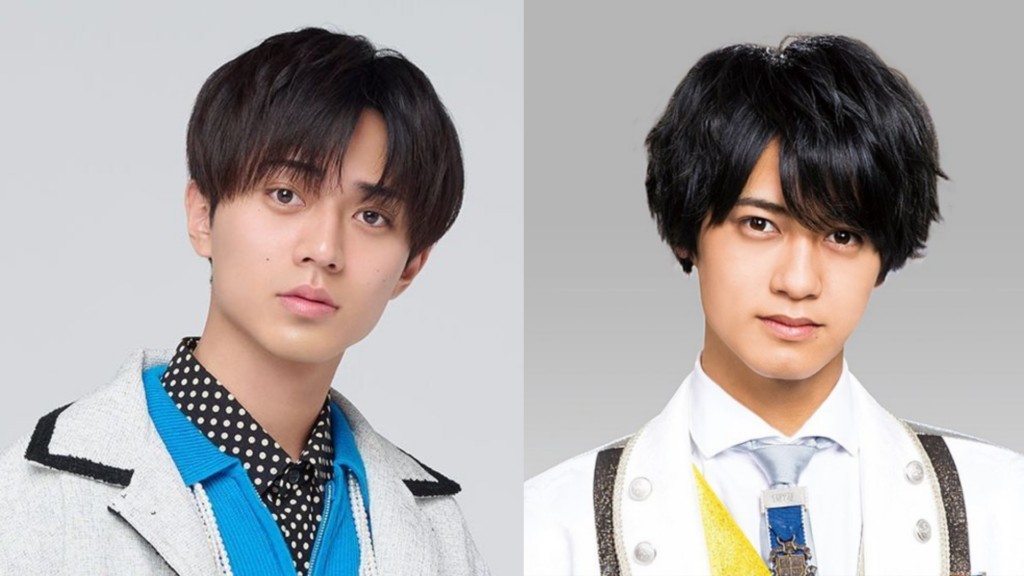
Kaito Takahashi, a singer, dancer and actor best known as a member of the Japanese boy band King & Prince, will lead a feature film for the first time with Prism, an upcoming Japanese drama that explores dance, emotional struggles and second chances. Directed by Yuji Hariu, the film is scheduled to release in Japanese cinemas on March 5, 2027. Its teaser visual and trailer were released on October 26, 2026, introducing a project that connects closely with Takahashi’s own background as a dancer.
In Prism, Takahashi plays Ritsu Okita, a former dancer whose ambition to become a professional performer is derailed by emotional trauma. Unable to dance as he once did, Ritsu leaves Tokyo and returns to his hometown on Shodoshima. His life takes an unexpected turn when a former high-school senior offers him an opportunity to teach dance to inmates at an open prison as part of a rehabilitation programme.
The assignment brings Ritsu into contact with people who, like him, are searching for a way forward. The film’s premise centres on more than the ability of dance to bring people together. It explores how movement can express emotions that are difficult to put into words. As Ritsu works with the inmates, the programme also forces him to confront the part of himself he has tried to leave behind. Their shared process of rebuilding forms the emotional core of the story.
The film marks a significant step in Takahashi’s acting career, giving him his first leading role in a feature. It also brings together two aspects of his creative life. Takahashi began dancing at a young age and went on to win several competitions. He has also spoken about his desire to appear in a dance-focused film. Prism gives him an opportunity to combine his acting with a discipline he has practised since childhood.
Takahashi’s background provides a personal connection to the role, although Ritsu’s circumstances differ from his own. The character has lost his ability to dance because of emotional pain, while Takahashi approaches the performance with years of dance experience. This contrast gives the role a distinctive foundation: he must portray someone struggling to reconnect with the very skill that once defined him.
Takahashi also contributed ideas during the development of his character, discussing scenes with Hariu and continuing to practise dance during breaks in filming. His involvement adds another dimension to a story built around the relationship between movement and emotion.
The film’s choreography brings a further personal connection into the production. NOPPO, a member of the internationally recognised dance performance group s**t kingz, is responsible for the principal dance choreography. Takahashi attended a dance school where NOPPO taught when he was younger, making their collaboration a reunion between the performer and his former teacher.
That connection takes on particular significance in the film’s climactic dance sequence, which required approximately two and a half months of preparation. The actors portraying the inmates, including Kotaro Daigo, Takenori Goto and Yukito Hidaka, had no previous dance experience. They began practising well before filming and adopted shaved or very short hairstyles for their roles.
Their preparation reflects the film’s central theme. Rather than presenting dance as an effortless performance, Prism examines what happens when people with different experiences and personal struggles learn to work together through movement. The process becomes a way for the characters to confront their difficulties while developing a shared sense of purpose.
Hariu developed the original story and directs the film, marking his feature-film directorial debut. His previous work includes commercials, television dramas and other screen productions. Shota Gato has written the screenplay, while NOPPO leads the main dance choreography.
The setting also gives the story a social dimension. The open-prison environment is modelled on a facility in Imabari, Ehime Prefecture, where inmates live and work under conditions intended to support their reintegration into society. This context gives Ritsu’s dance classes a purpose beyond performance, placing them within a programme designed to help inmates prepare for life after prison.
Scheduled to open in Japanese cinemas on March 5, 2027, Prism brings together Takahashi’s first feature-film lead role, his long-standing interest in a dance-focused project and a creative reunion with NOPPO. At its heart, the film asks whether people who have lost their sense of direction can find a way forward together. Through Ritsu and the inmates, dance becomes a means of confronting the past, rebuilding confidence and discovering the possibility of starting again.