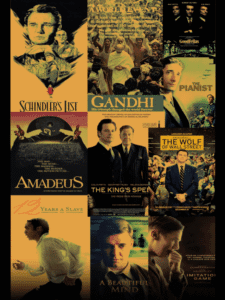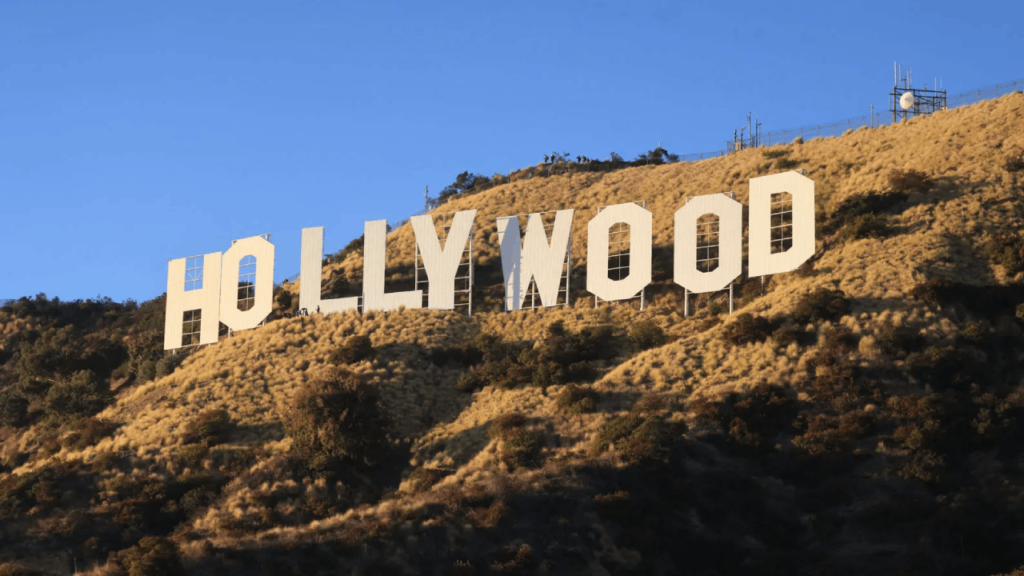
Contrary to what people might assume because of Hollywood’s dominance today, Hollywood wasn’t where cinema began. It actually began in Europe, with Paris and France being among the early centres of cinema. By 1914, several national film industries had already developed. France, Italy, Denmark and Russia were some of the major players in the global film market. American cinema was growing at the time, but it was not yet the dominant industry it would later come to be.
So how did Hollywood become the most influential film industry in the world?
There is no singular answer to it. Hollywood’s rise came from a combination of things. The First World War, the growth of the American economy, the studio system, technology, stars, the English language, distribution and marketing; all played a contributing role. Over time, Hollywood built a system that allowed its films to not just be made, but also reach audiences throughout the world.
A crucial turning point was the First World War. The war badly affected European film industries. Money, resources and people were being used for the war, and many European studios had to reduce their production or shut down. America was in a different position because of its initial neutrality in the war and later its relatively limited involvement. Its film industry continued to grow and produce films at a fruitful rate. When the war ended, Europe had to focus on rebuilding, while America had already built a stronger film industry.
The American economy also gave Hollywood an advantage. The United States had the money to invest heavily in film production. Studios could spend more on films, use newer technology and produce films on a much larger scale. They could also spend more on getting those films into theatres and promoting them.
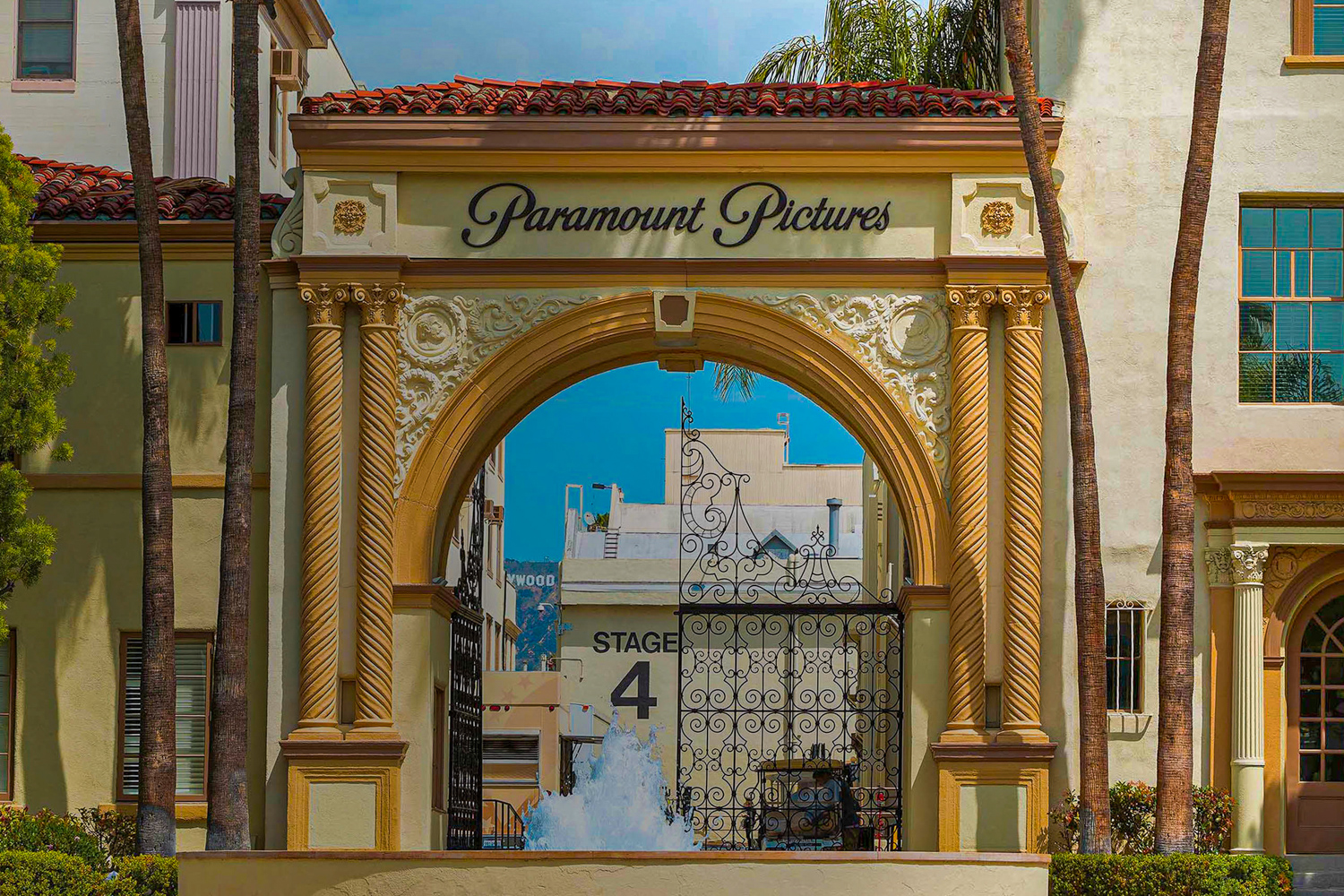
This was when the studio system became important. Hollywood studios developed an organised way of making films. They were involved in production and distribution and, for a period, also had control over exhibition. This meant that studios could make films regularly and then take them to different markets. The system made filmmaking more efficient and gave Hollywood an advantage over industries that were working on a much smaller scale.
Hollywood also understood the importance of stars very early on. Actors such as Charlie Chaplin, Mary Pickford and Douglas Fairbanks, in the growing years of the industry, became known around the world. Audiences were not only interested in the film; they were interested in the people in it. Once an actor became a star, their name itself could help sell a film. This became an important part of Hollywood and eventually created the idea of the global movie star.
The silent film era helped this happen too. Since there was no spoken dialogue, films could travel more easily between countries. Audiences did not need to know English to understand what was happening on screen. Expressions, physical performances, editing and visual storytelling could work almost anywhere in a region.
When sound came in the late 1920s, Hollywood adapted to it quickly. This ability to use new technology became another part of its growth. Over the years, Hollywood continued to use new technology to make films bigger and more visually advanced. Sound, colour, widescreen formats, visual effects and later CGI all changed what films could do.
But technology was not enough on its own. Hollywood also had a very important advantage in its own country: a large English-speaking audience.
The large American market gave Hollywood a strong base to recover the money spent on its films before taking them to other countries. English also helped American films reach other English-speaking markets more easily. From there, they could reach non-English-speaking countries through dubbing and subtitles.
This is where distribution became important. Hollywood studios built large distribution networks across the world. They either created their own operations in different countries or worked with local companies. This meant that American films could reach audiences in various different territories. Hollywood was not only making films for America. It had built a system to take those films outside America too.
Marketing became another major part of this. Hollywood became very good at making people aware of a film before it was released. Trailers, posters, interviews, premieres, television appearances, advertisements and merchandise all became part of the process. Today, social media has added another layer to it. A major Hollywood film can be promoted across several countries at the same time. This is important because making a film is only one part of the process. People also have to know that the film exists.
Hollywood also benefited from the kind of stories it told. Many of its films were based on ideas that audiences could understand regardless of where they came from. Love, family, friendship, ambition, fear, survival and revenge are not limited to one country. Along with these stories, Hollywood also showed a particular image of America and the American dream.
This gave Hollywood a cultural influence that went beyond films. People around the world became familiar with American cities, lifestyles, fashion, cars, relationships and ideas of success through cinema. Someone who had never been to America could still have an idea of what American life looked like because they had seen it in films, and somehow that life connected to people and they started admiring that and almost dreaming of it.
This is also where the idea of Hollywood as soft power comes in. Hollywood did not need to directly tell people to like America. Its films made American culture familiar to them. When a country’s culture becomes familiar to people across the world, it can influence how they see that country.
The American government also played a role in helping Hollywood reach foreign markets. American officials and agencies often supported the interests of the U.S. film industry when other countries imposed restrictions or quotas on imported American films. After the Second World War, these negotiations became particularly important as European countries tried to rebuild their own film industries while Hollywood pushed for greater access to their markets. France, for example, introduced quotas and negotiated with the United States over the balance between protecting its domestic cinema and allowing American films into the country.
This does not mean that Hollywood’s influence was always accepted.
Countries have often tried to protect their own film industries because cinema is not only a business. Films are connected to language, culture and identity. France, Canada, China, South Korea and other countries have taken different steps to protect their local industries from being completely dominated by foreign films.
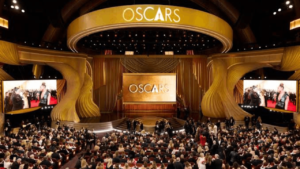
Hollywood’s influence can also be seen through the Oscars. The Academy Awards are an American award ceremony, but their importance is immensely global. An Oscar nomination or win can bring a film, actor or filmmaker attention from audiences and industries around the world. The Oscars do not represent all of world cinema, but they have become one of the biggest systems through which films receive international recognition.
Then there is the franchise system. Hollywood learned that a successful film did not have to end with one film. A successful character could return in a sequel. That sequel could lead to another one. Spin-offs became a thing. A group of films could eventually become a larger universe. Star Wars, Harry Potter, Marvel and Jurassic Park are examples of this. Franchises gave Hollywood another advantage because audiences already knew the characters and worlds. This made the next film easier to market. It also allowed studios to make money from films, merchandise, games, television and other parts of the same property.
Global stars work in a similar way. An actor such as Tom Cruise or Leonardo DiCaprio can be recognised in countries where audiences may not even speak English. Their name can become a reason for someone to watch a film. The stars became part of the film’s international appeal.
At the same time, Hollywood has never been completely separate from other film industries. It has taken ideas and influences from other countries, adapted stories and worked with filmmakers and actors from all over the world. The relationship between Hollywood and the rest of the world has therefore worked in both directions. Hollywood has influenced other cinemas, but other cinemas have also influenced Hollywood.
This is what makes Hollywood’s rise different from simply saying that American films became more popular. Hollywood built an entire system around its films.
It had the money to make large productions. It had the studio system to produce them regularly. It had stars who could attract audiences. It had a large English-speaking market. It developed distribution networks that could take films to the world. It learned how to market films on a global scale. It used technology to keep changing what films could offer. It created franchises that could continue for years. And through the Oscars and its cultural influence, it also became an important part of how cinema itself is discussed around the world.
But Hollywood is no longer the only industry with global reach.
Streaming has made it easier for films from countries such as South Korea, India, Japan, Spain and France to find audiences outside their own markets. Audiences are more willing to watch films in different languages, and technology has made production and distribution simpler for smaller industries.
Hollywood is therefore facing more competition than it did before. Its influence is still strong and supreme, but the world of cinema is becoming more open. Still, Hollywood’s biggest advantage is the system it has built over more than a century, and that isn’t going anywhere for decades at least, if not centuries.
Hollywood did not become the world’s most influential film industry only because it made big films. It became influential because it learned how to intelligently make those films, finance them, market them, distribute them, create stars around them and turn successful stories into franchises. It never took the resources it had for granted.
One thing in which Hollywood has continued to succeed is doing more, making more, experimenting with new subjects and technology. That will forever be its X-factor. It’s the centre that is most open to trying new ideas, and it has never been an industry afraid of failing and that’s its ace.
It’s safe to say that Hollywood being referred to as the “cinematic capital of the world” feels justified.
Read More: