Indonesia and Kyrgyzstan are joining forces on a feature film for the first time, with The Land of Jinn, a supernatural horror project rooted in Kyrgyz folklore, unveiled at the Tokyo Gap-Financing Market. Directed by Indonesian filmmaker Kevin Rahardjo, the film marks the first official co-production between the film industries of the two countries, bringing together Southeast Asian horror expertise and Central Asian folklore, landscapes and filmmaking talent.
Set to draw on a legend from Kyrgyzstan, a country in Central Asia with a rich oral tradition, The Land of Jinn explores supernatural horror through mythology that has rarely featured in international co-productions. Jinn, spiritual beings found in Islamic traditions and in cultural beliefs across parts of Central and Southeast Asia, form the mythological foundation of the project.
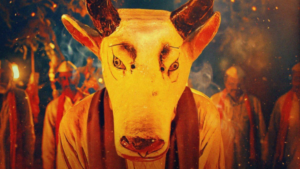
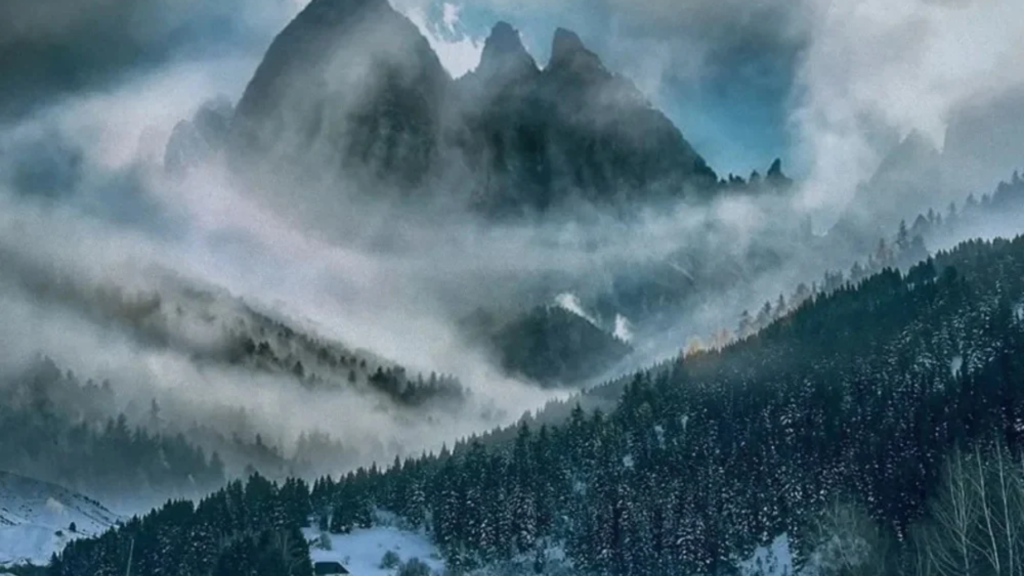
The filmmakers have kept specific plot details under wraps as the production continues to seek financing partners and distribution. Concept art presented during the Tokyo market has offered prospective investors an early visual impression of the film’s world, while the project’s development remains focused on securing the support required to move into production.
Rahardjo is directing the film through his production banner, KawanKawan Media. His previous horror feature, Smothered, demonstrated his interest in the genre and his ability to build atmosphere within production constraints. The Land of Jinn represents a step up in scale and ambition, with the filmmaker working with Kyrgyz folklore rather than the Indonesian cultural traditions that might be expected from a director based in Southeast Asia.
Kyrgyzstan’s production partner is Free Minds, a company based in the country with experience in auteur filmmaking and connections to the Central Asian market. KawanKawan Media and Free Minds are equal co-producers on the project, positioning the film as a partnership between the two industries rather than a production led predominantly by one country.
The collaboration brings together complementary strengths. Indonesia has an established domestic horror audience, with the genre accounting for a reported 65 per cent local market share, according to the project’s presentation. Supernatural horror is a significant part of the country’s theatrical landscape, supported by a substantial audience base and a production model familiar to local filmmakers and distributors.
Kyrgyzstan, meanwhile, offers a different set of resources, including local filmmaking talent, distinctive natural landscapes and access to audiences across Central Asia and Eurasia. Its folklore also provides the project with a cultural foundation that distinguishes it from horror productions built around more familiar international mythology.
The combination gives both partners an opportunity to expand beyond their established markets. Indonesia contributes genre experience and commercial knowledge, while Kyrgyzstan brings the legend, locations and cultural perspective at the centre of the story. If the production moves forward as planned, The Land of Jinn could also offer a model for further collaboration between film industries that have had limited opportunities to work together.
The project was presented at the Tokyo Gap-Financing Market, part of the Tokyo festival’s industry programme. The market has expanded its genre-focused offerings through a partnership with Frontières, the Montreal-based genre co-production market. The collaboration has brought projects from countries including Thailand, Nepal, Brazil and Singapore into the Tokyo programme alongside The Land of Jinn.
The inclusion of projects from a range of territories reflects the potential of genre filmmaking to support international co-productions. Horror can provide filmmakers with a recognisable commercial framework while allowing stories to remain rooted in local mythology, language and cultural experience. For The Land of Jinn, that approach creates a possible bridge between Indonesia’s established horror market and Kyrgyzstan’s folklore and locations.
At Tokyo, the producers are seeking additional partners to close the financing gap and secure distribution. Pre-sales and a festival-oriented release strategy are among the potential routes being considered as the team works towards production in 2027. The film’s eventual release plans will depend on how its financing and distribution arrangements develop.
Beyond The Land of Jinn, Rahardjo has another project in development: a creature feature set in a rural Indonesian village. The two projects point towards different creative directions, with one drawing on Kyrgyz mythology for an international collaboration and the other returning to the landscapes and cultural setting of Indonesia.
Developing both projects allows Rahardjo to pursue international co-production opportunities while continuing to work with stories rooted in his home country. Their progress will also offer an indication of how filmmakers from emerging and smaller film markets can balance local storytelling with the financing and distribution requirements of international production.
The Land of Jinn remains in development and is seeking financing and distribution partners. Production is targeted for 2027, with a festival route envisaged as the preferred path to audiences. Its immediate challenge is to translate the interest generated at the Tokyo market into the partnerships needed to bring the Indonesia–Kyrgyzstan collaboration to the screen.